Top 17 Animals That Eat Insects (Images Included)
In our ecosystem, the role of animals that eat insects is vital, serving as natural pest controllers and helping maintain ecological balance. This article will uncover the fascinating variety of creatures that make insects a staple in their diet, exploring their behaviors and benefits to the environment. By the end, you’ll gain a deeper appreciation for these natural predators and their essential roles in our world.
List of Animals That Eat Insects
Here is the list of animals that eat insects:
- Short-beaked Echidna
- Texas Horned Lizard
- Pangolin
- Wongai Ningaui
- Mauritian Tomb Bat
- Praying Mantis
- Giant Anteater
- Aardvark
- Dragonfly
- Northern Naked Tailed Armadillo
- Red-Billed Scythebill
- Banded Archerfish
- Many-Colored Rush Tyrant
- Spring Peeper
- Hero Shrew
- Spiders
- Numbat
Short-beaked Echidna
Scientific Name: Tachyglossus aculeatus
Class: Mammalia
Diet: Carnivore
The short-beaked echidna, a unique monotreme inhabiting Australia and New Guinea, has evolved a diet primarily centered around insects. This remarkable creature feasts on ants and termites, utilizing its specialized long tongue, which can extend up to 18 centimeters, allowing it to probe into small crevices with impressive dexterity. This remarkable adaptation not only highlights the echidna’s role in nutrient cycling within its ecosystem but also illustrates how essential insects are as a food source for many species.
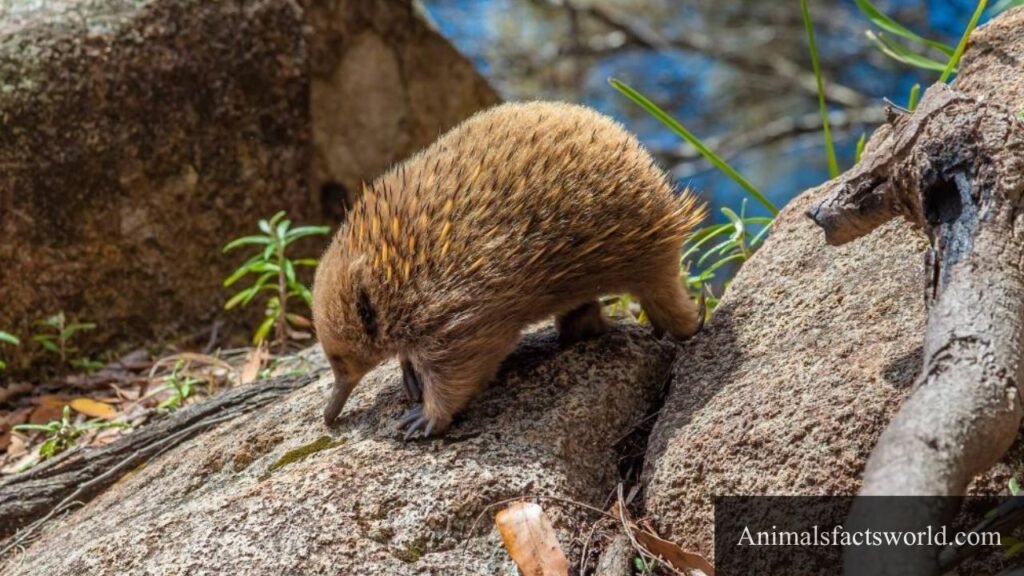
Hunting is an impressive spectacle in the world of short-beaked echidnas. They often engage in a slow, methodical search for their next meal, using their keen sense of smell to detect hidden insect colonies underground. While they have no teeth, their powerful jaws and spiny tongues work in tandem to extract insects, showcasing a fascinating method of foraging that emphasizes energy efficiency. Interestingly, echidnas can consume anywhere from 10,000 to 20,000 ants in a single day, making them efficient insectivores crucial to maintaining the balance of their ecosystem. This diet not only fuels their metabolic needs but also plays an integral role in controlling insect populations, showcasing the echidna’s contribution to ecological health.
Texas Horned Lizard
Scientific Name: Phrynosoma cornutum
Class: Reptilia
Diet: Carnivore
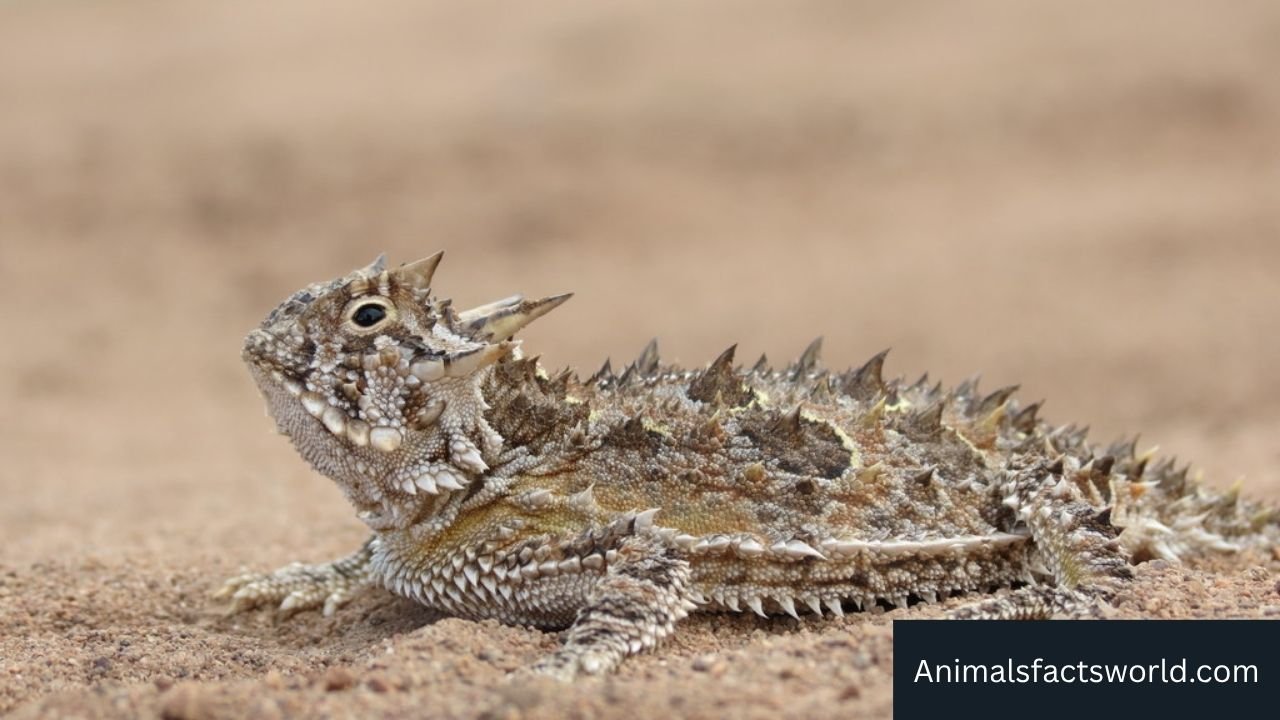
The Texas horned lizard, a unique reptile often mistaken for a miniature dragon, is a voracious insect eater and plays a crucial role in maintaining ecological balance. These fascinating creatures primarily feast on ants, especially the harvester ant, making them specialized hunters in their arid environments. Their diet is rich in protein, allowing them to thrive in the hot Texas sun, and they can consume hundreds of ants in a single day, showcasing their remarkable foraging prowess.
One of the most intriguing aspects of the Texas horned lizard’s hunting tactics is its immobility. These lizards utilize a “sit-and-wait” strategy, cleverly camouflaging with their surroundings and patiently waiting for unsuspecting prey to come within striking distance. When the moment is right, they swiftly snap up their meal, showcasing an efficient feeding mechanism. In doing so, horned lizards not only sustain themselves but also help control ant populations, underscoring their importance in the ecosystem.
Pangolin
Scientific Name: Pholidota
Class: Mammalia
Diet: Carnivore
Pangolins are fascinating creatures, celebrated for their unique diet primarily composed of ants and termites. Equipped with long, sticky tongues that can extend up to 16 inches, these enigmatic animals demonstrate remarkable hunting tactics, using their keen sense of smell to locate insect colonies buried deep within the earth or hidden in decaying wood. As they expertly dig into these nests with their powerful claws, pangolins not only consume thousands of insects each day but also play a crucial role in maintaining ecological balance by controlling pest populations.
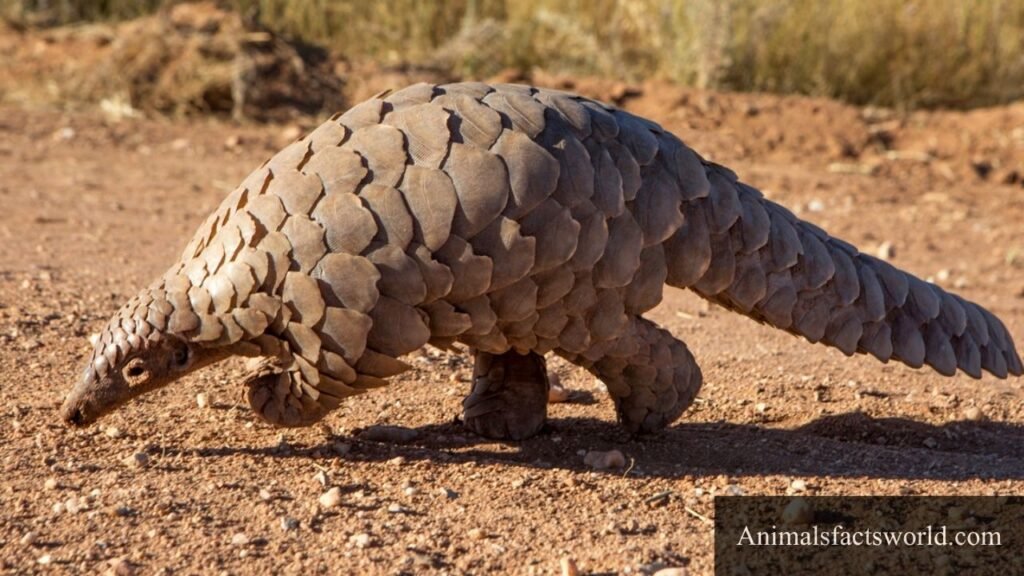
Their specialized diet influences their behavior and habitat preferences. Often found in forests or grasslands where ant and termite activity thrives, pangolins can consume up to 73 million insects per year, making them vital players in the food web. However, their reliance on such a specific food source means that environmental changes, like deforestation and climate shifts, pose significant threats to their populations. The pangolin’s nocturnal nature adds another layer of intrigue, as they embark on their insect-hunting adventures under the cover of darkness, showcasing an evolved strategy that has captivated both scientists and wildlife enthusiasts alike.
Readmore: Explore Top 15 Animals That Eat Butterflies.
Wongai Ningaui
Scientific Name: Ningaui ridei
Class: Mammalia
Diet: Carnivore
The Wongai Ningaui, a small marsupial native to Australia, exemplifies the fascinating world of insectivorous animals. This nimble creature primarily feasts on a variety of insects — ants, beetles, and termites making up a significant portion of its diet. Interestingly, the Wongai Ningaui employs a mix of hunting tactics, from darting swiftly to the ground to pounce on unsuspecting prey to foraging beneath leaf litter. Their acute sense of smell plays a crucial role in detecting insects buried within the forest floor, making them proficient foragers.
In terms of dietary habits, the Wongai Ningaui showcases a remarkable balance between energy intake and expenditure, often consuming prey several times a day to support their high metabolic needs. This frequent feeding not only sustains their energy levels but also underscores their ecological role; as natural pest controllers, they help regulate insect populations within their habitat. Such dynamics illustrate the intricate relationships within ecosystems, where even small creatures can have sizable impacts. By studying the Wongai Ningaui, we gain insight into the complex web of life that thrives on the abundance of insects, revealing the intrinsic value of these often-overlooked animals.
Mauritian Tomb Bat
Scientific Name: Taphozous mauritianus
Class: Mammalia
Diet: Carnivore
The Mauritian Tomb Bat, a fascinating nocturnal creature, plays a crucial role in its ecosystem as a voracious insect eater. Primarily feeding on a diet rich in insects, this bat contributes significantly to controlling local pest populations. With its keen echolocation abilities, the Mauritian Tomb Bat hunts with precision, swooping through the night sky to capture its prey mid-flight. This hunting tactic not only showcases their remarkable agility but also emphasizes their adaptability in a rapidly changing environment.
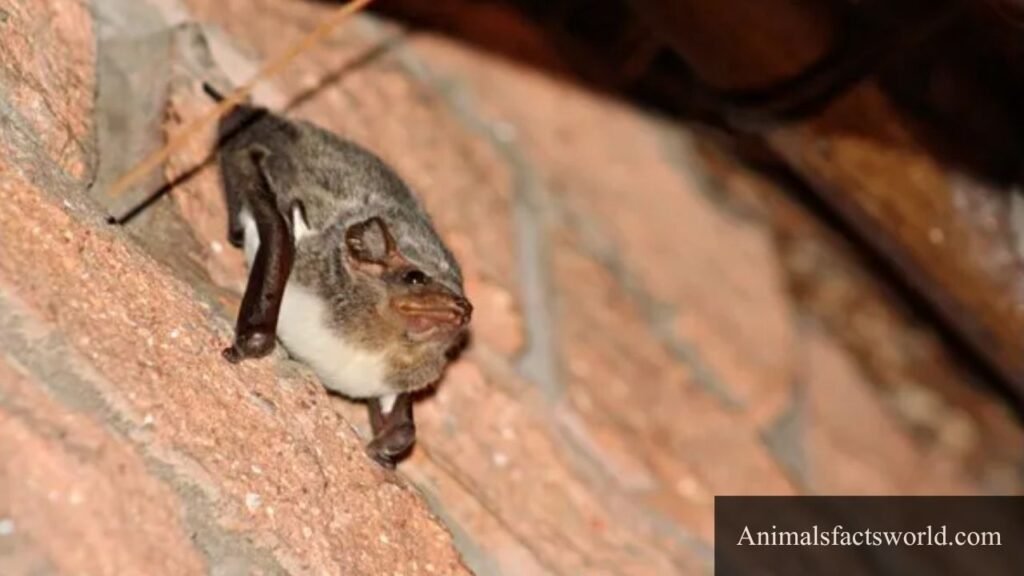
Although they primarily focus on insects, their dietary habits aren’t as simple as they seem. The Mauritian Tomb Bat strategically shifts its prey selection based on seasonal availability, demonstrating an acute awareness of the local ecosystem. In a single night, these incredible hunters can consume a significant number of insects, making them key players in maintaining the natural balance of their habitat. As insect populations fluctuate due to climate change and habitat loss, the role of bats like the Mauritian Tomb Bat becomes even more vital, underscoring the importance of conserving these unique mammals.
Praying Mantis
Scientific Name: Mantodea
Class: Insecta
Diet: Carnivore
The praying mantis is a fascinating insectivore that plays a vital role in natural pest control. With a diet primarily consisting of other insects, these predators have evolved unique hunting strategies that make them formidable. Their ambush technique often involves remaining perfectly still among foliage, using their exceptional vision to spot prey. Once a target is in sight, they’ll strike with lightning speed — grabbing it with their long, spiny forelegs. This method is not just about speed; their acute sense of sight allows them to track movement, making them masterful hunters in the insect world.
Remarkably, praying mantises can consume up to 20 insects per day, depending on availability. This high protein intake is essential for their growth and reproductive success, ensuring their place in the food web. By keeping insect populations in check, they help maintain ecological balance, making them crucial allies for gardeners and farmers alike. Their selective diet isn’t limited to just common pests; they’ll also target other beneficial insects, showcasing their role as both predators and contributors to biodiversity. In essence, the simple act of a mantis snatching up its meal reflects a complex interplay of survival, adaptation, and ecological responsibility.
Giant Anteater
Scientific Name: Myrmecophaga tridactyla
Class: Mammalia
Diet: Carnivore
The giant anteater, with its elongated snout and peculiar appearance, is a marvel of nature, perfectly adapted to a diet primarily consisting of ants and termites. These remarkable creatures can consume up to 30,000 insects in a single day, showcasing their efficiency in hunting. Their keen sense of smell helps them locate insect mounds from several yards away, allowing them to target rich feeding grounds. Once found, they employ their impressive claws to tear into the tough, wooden tunnels of termite colonies or ant hills, demonstrating not only strength but also precision.
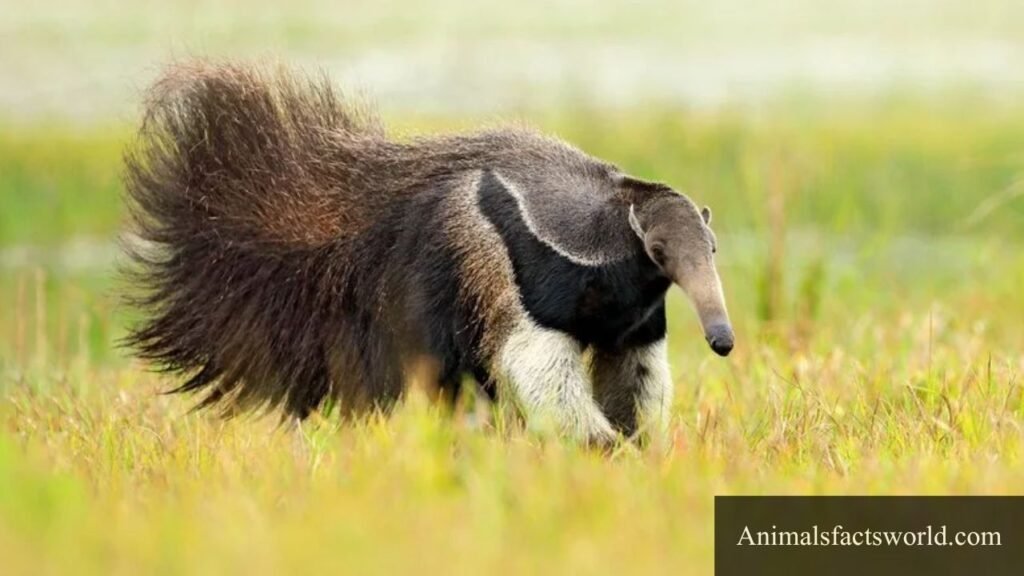
Interestingly, this insect-centric diet plays a crucial role in the ecosystem. By controlling insect populations, giant anteaters help maintain a balance in their environments, preventing overpopulation that could lead to habitat degradation. Despite their substantial consumption, they have evolved to be selective feeders, often revisiting the same mounds periodically and allowing insect populations to rebound. Their unique method of foraging, combining both patience and power, illustrates how these fascinating creatures have become vital players in their ecological niche, proving that even the smallest entities, like ants, can influence the broader environmental tapestry.
You can also read: Explore Top 15 Animals That Eat Wasps.
Aardvark
Scientific Name: Orycteropus afer
Class: Mammalia
Diet: Carnivore
The aardvark, often dubbed the “earth pig,” showcases a fascinating relationship with insects, primarily feeding on ants and termites. Equipped with a long snout and an impressive sense of smell, these nocturnal foragers venture out at night, unearthing insect colonies with remarkable precision. They tunnel into mounds, using their powerful claws to excavate, demonstrating an intricate balance between instinct and environmental adaptation.
In terms of diet, an aardvark can consume up to 50,000 insects in a single night, reflecting their crucial role in controlling insect populations. This remarkable capability not only illustrates the aardvark’s unique hunting tactics but also highlights its importance in local ecosystems. By keeping insect numbers in check, aardvarks contribute to maintaining the health of their habitats, proving that even lesser-known mammals play a key role in nature’s intricate web. Each night’s feast is not simply a meal but a vital service they provide, sustaining ecological balance while thriving on a diet primarily composed of these tiny creatures.
Dragonfly
Scientific Name: Anisoptera
Class: Insecta
Diet: Carnivore
Dragonflies are fascinating aerial predators that have perfected the art of hunting insects with a unique blend of speed and precision. Their diet primarily consists of mosquitoes, flies, and even smaller dragonflies, showcasing their role in maintaining ecological balance by controlling insect populations. With a hunting strategy that includes hovering and agile maneuvers, dragonflies can snatch their prey mid-air, demonstrating a level of agility that leaves many in awe.
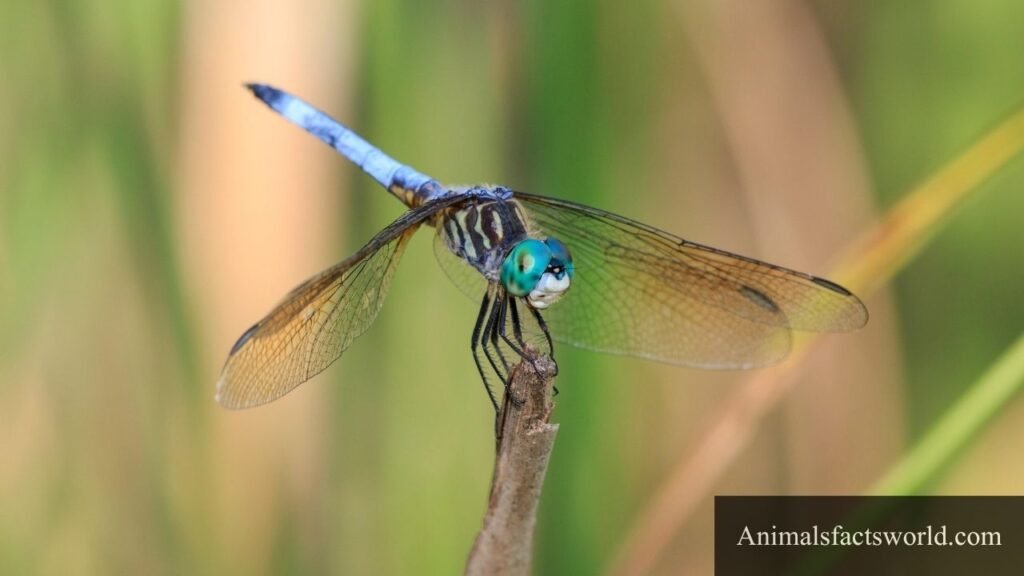
One of the most intriguing aspects of dragonflies is their extraordinary vision. Equipped with multifaceted compound eyes, they can detect motion from nearly all angles, allowing them to track prey with remarkable accuracy. This visual prowess complements their swift flight, making them formidable hunters. Furthermore, dragonflies exhibit a unique form of predation known as “hawk hunting,” where they actively scout their territory for unsuspecting insects, demonstrating impressive intelligence in their hunting tactics.
Northern Naked Tailed Armadillo
Scientific Name: Cabassous centralis
Class: Mammalia
Diet: Omnivore
The Northern Naked-Tailed Armadillo, a fascinating creature native to parts of South America, showcases a unique diet primarily focused on insects. This little-known armadillo has developed specialized hunting strategies that make it an efficient predator of its favorite delicacies, employing its powerful sense of smell to detect hidden invertebrates beneath the forest floor. With its clawed front limbs, it digs skillfully to unearth ants, termites, and other insects, turning its foraging into a highly effective feeding behavior.
What sets the Northern Naked-Tailed Armadillo apart is its adaptability in diet, often shifting to include not just insects but also their larvae, showcasing a remarkable flexibility depending on seasonal availability. This armadillo demonstrates an incredible evolutionary niche; its insectivorous diet supports ecosystem balance by controlling insect populations, which can otherwise overwhelm local flora. As a largely nocturnal forager, it uses stealth and acute hearing to locate its prey, highlighting the efficiency of its hunting strategy rooted in the dark, twilight hours of its habitat. The interplay between this armadillo and its insect prey is a captivating reminder of the intricate relationships within ecosystems, revealing how even the smallest of creatures can play significant roles in maintaining ecological harmony.
Red-Billed Scythebill
Scientific Name: Campylorhamphus trochilirostris
Class: Aves
Diet: Carnivore
The Red-Billed Scythebill, with its distinctive downward-curving bill, demonstrates a fascinating adaptation in the insect-eating arena. This avian gem, primarily found in the humid forests of South America, employs a specialized hunting strategy that sets it apart from other insectivores. Rather than flitting about in search of prey, it meticulously probes tree bark for hidden insects, leveraging its impressive bill to pry apart crevices that conceal a treasure trove of larvae and beetles.
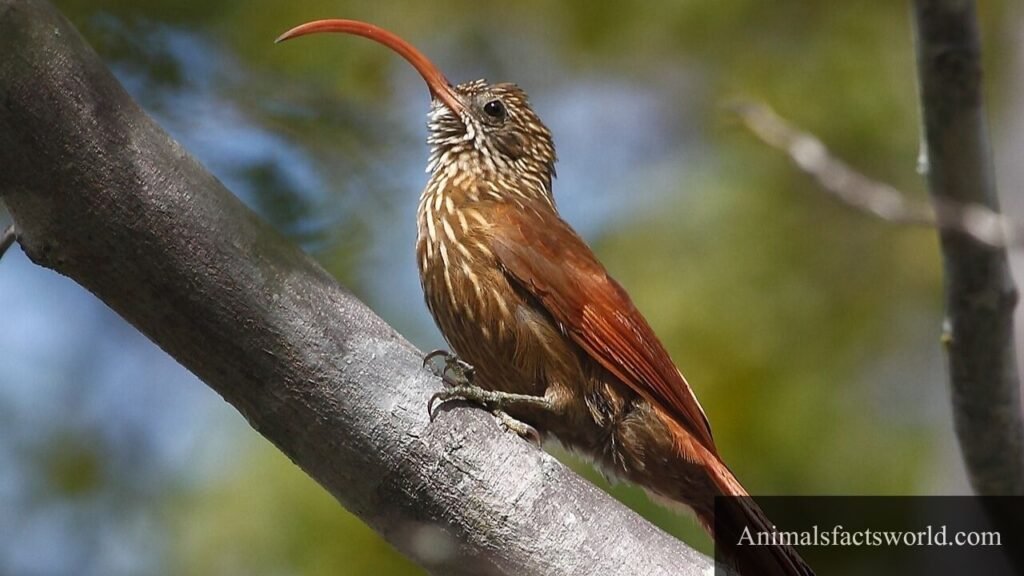
Diet plays a crucial role, not only in the Scythebill’s survival but also in the intricate web of its ecosystem. By focusing on insects that would otherwise remain hidden, it helps control pest populations, indirectly benefiting the plant life that might otherwise suffer from infestations. Moreover, the Red-Billed Scythebill’s unique foraging behavior showcases an evolutionary niche; as it thrives primarily on insects, it illustrates the ongoing adaptive strategies animals deploy to exploit available food resources in their environment. This intricate connection between hunting strategy and dietary preferences underscores the delicate balance of nature’s predator-prey relationships.
Also read: Explore Top 17 Animals That Eat Bananas.
Banded Archerfish
Scientific Name: Toxotes jaculatrix
Class: Actinopterygii
Diet: Carnivore
The banded archerfish, a remarkable aquatic predator, has mastered the art of insect hunting with its unique ability to shoot jets of water at unsuspecting prey perched above the waterline. This fascinating fish utilizes a specialized adaptation: its mouth is uniquely shaped to create a powerful stream, allowing it to knock insects off branches or leaves and into the water. Once they hit the surface, these insects quickly become dinner, showcasing a dynamic interplay between the archerfish and its environment.
What truly sets the banded archerfish apart is its precise aim, which relies on the fish’s keen eyesight and depth perception. This hunting strategy is not just about physical prowess; it highlights a remarkable cognitive ability to calculate the trajectory of the water jet needed to hit its target. By utilizing this powerful mix of biology and intelligence, the banded archerfish exemplifies the intricate relationships within its ecosystem, where diet extends beyond mere survival — it becomes a sophisticated hunting practice that reflects the complexities of nature. It’s a vivid reminder of how even the smallest creatures play a pivotal role in shaping their environment.
Many-Colored Rush Tyrant
Scientific Name: Tachuris rubrigastra
Class: Aves
Diet: Carnivore
The Many-Colored Rush Tyrant, a striking bird native to South America, showcases an impressive mastery of insect hunting, employing unique strategies that highlight its adaptability. With a diet primarily consisting of insects, this bird actively scours wetland habitats where it can easily find its favorite snacks among reeds and grasses. Its vibrant plumage not only enhances its beauty but also aids in camouflage, allowing it to blend seamlessly into the colorful backdrop of its environment, making stealthy approaches to unsuspecting insects.
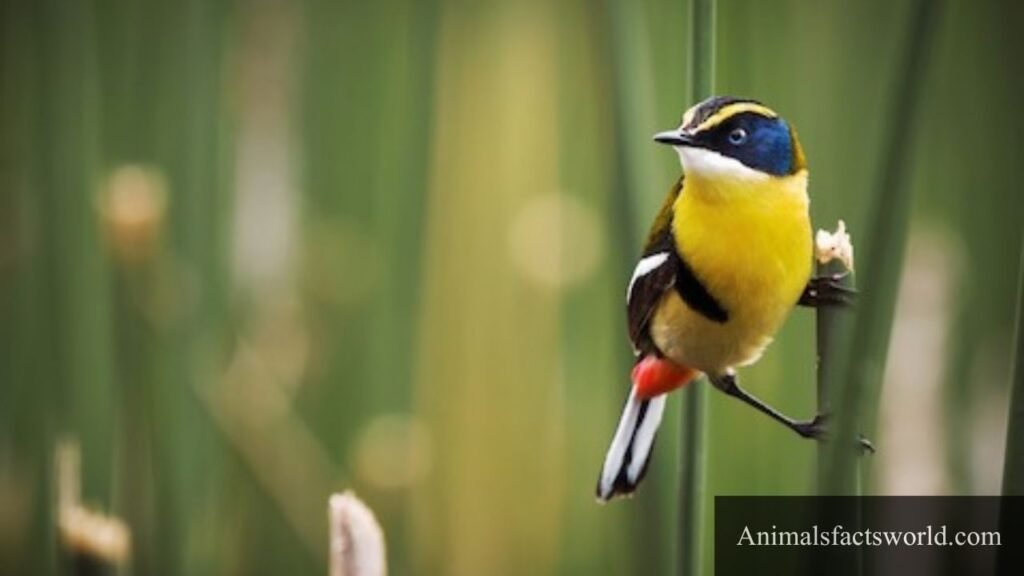
What sets the Many-Colored Rush Tyrant apart is its dynamic hunting technique. It employs a combination of perch-and-pounce tactics, often surveying its surroundings from an elevated position before darting down to snatch prey with precision. This behavior underscores the bird’s acute vision and agility; it can easily adjust its tactics based on available food sources and environmental conditions. By specializing in catching insects, the Many-Colored Rush Tyrant plays a vital role in the ecosystem, helping to regulate insect populations while simultaneously supporting the delicate balance of its wetland habitat. In this way, the bird not only feeds itself but also contributes to the intricate web of life around it, illustrating the profound interconnectedness of nature.
Spring Peeper
Scientific Name: Pseudacris crucifer
Class: Amphibia
Diet: Carnivore
The Spring Peeper, a small tree frog native to North America, plays a pivotal role in its ecosystem by consuming a variety of insects. These agile hunters thrive in moist, wooded areas where they blend seamlessly into their surroundings. Their diet primarily consists of ants, beetles, and flies, making them crucial for controlling insect populations. With their keen sense of hearing and exceptional camouflage, Spring Peepers have evolved sophisticated hunting strategies, utilizing a mix of stealth and ambush to snatch unsuspecting prey.
One of the fascinating aspects of the Spring Peeper’s diet is its adaptability; they can adjust their feeding habits based on seasonal insect availability. In the warmer months, they often feast on an abundance of tiny, ephemeral insects, while in winter, they may rely on stored fat reserves during their hibernation. This dietary versatility not only allows them to survive in diverse habitats but also contributes to the overall ecological balance, helping to keep pest populations in check. As climate change alters habitats and insect life cycles, the adaptability of species like the Spring Peeper will become increasingly vital for maintaining biodiversity.
Hero Shrew
Scientific Name: Scutisorex somereni
Class: Mammalia
Diet: Carnivore
The hero shrew, native to the forested regions of Central and East Africa, has remarkable adaptations that set it apart in the insect-eating world. With its broad, flattened body and incredibly strong spine, this small mammal exhibits a unique resilience that allows it to tackle formidable prey, including insects and small invertebrates. Its powerful grip enables the hero shrew to turn over decaying logs and rocks, unearthing hidden treasures of beetles and larvae, all while fending off larger predators that might underestimate its defensive capabilities.
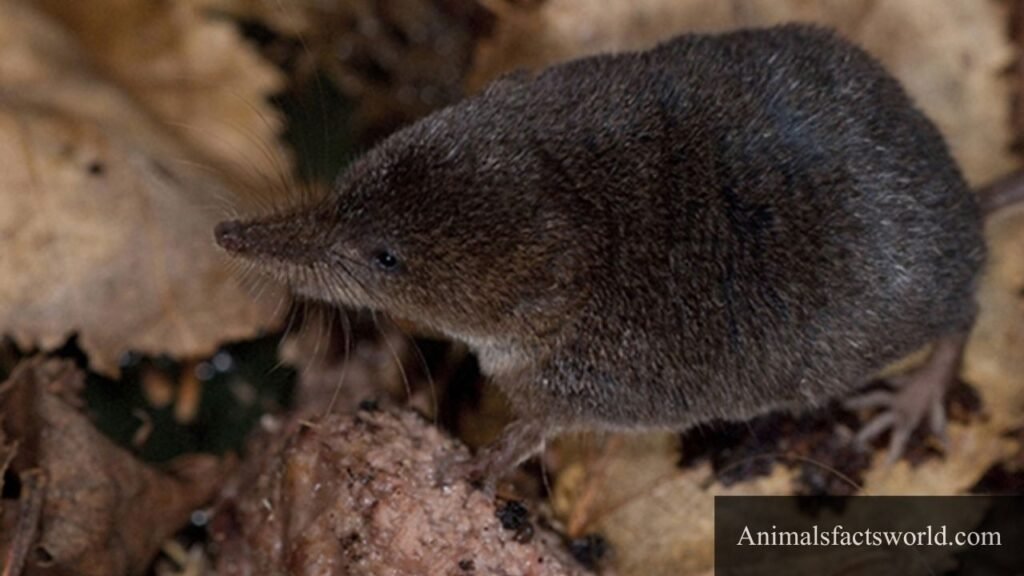
What truly distinguishes the hero shrew is not just its physical prowess but its intriguing social behavior. Often found in small family groups, these shrews engage in cooperative foraging, sharing their discoveries with one another. This behavior fosters a communal knowledge of the most fertile feeding grounds, akin to a localized culinary school, where seasoned members impart the wisdom of the terrain to younger generations. Such social structures elevate the hero shrew beyond simple survival; they create a tapestry of interdependence that enhances their ecological niche, illustrating how even the smallest creatures can embody the complexities of community and resourcefulness.
You can also read: Explore Top 9 Animals That Eat Wolves.
Spiders
Scientific Name: Araneae
Class: Arachnida
Diet: Carnivore
Spiders are fascinating hunters, with a diet that predominantly consists of insects, making them one of nature’s most efficient pest controllers. Employing a variety of hunting strategies, these arachnids have adapted remarkable techniques that ensure their success. Some, like the orb-weaver, spin intricate webs to ensnare their prey, using silk that is both strong and highly elastic. Others, such as jumping spiders, rely on stealth and agility, pouncing on unsuspecting insects with incredible precision.
What sets spiders apart in their insect-eating prowess is their ability to digest prey externally. Once captured, they inject digestive enzymes into their meal, breaking it down into a nutrient-rich soup they can easily consume. This method not only allows them to tackle larger prey but also reduces competition over food resources, as they can feast on whatever they catch without the need for significant energy expenditure. Moreover, their role in maintaining ecological balance is pivotal; by controlling insect populations, they help sustain healthy ecosystems, showcasing the delicate interplay of predator and prey.
Numbat
Scientific Name: Myrmecobius fasciatus
Class: Mammalia
Diet: Carnivore
The numbat, a charming marsupial native to Australia, has evolved an extraordinary diet primarily consisting of termites. Unlike many predators that rely on speed or strength, the numbat employs a unique hunting strategy: it uses its keen sense of smell to locate termite mounds, quietly probing the soil with its elongated snout. This specialized feeding behavior allows the numbat to consume up to 20,000 termites in a single day, showcasing both its efficiency and the intricacies of its insectivorous diet.
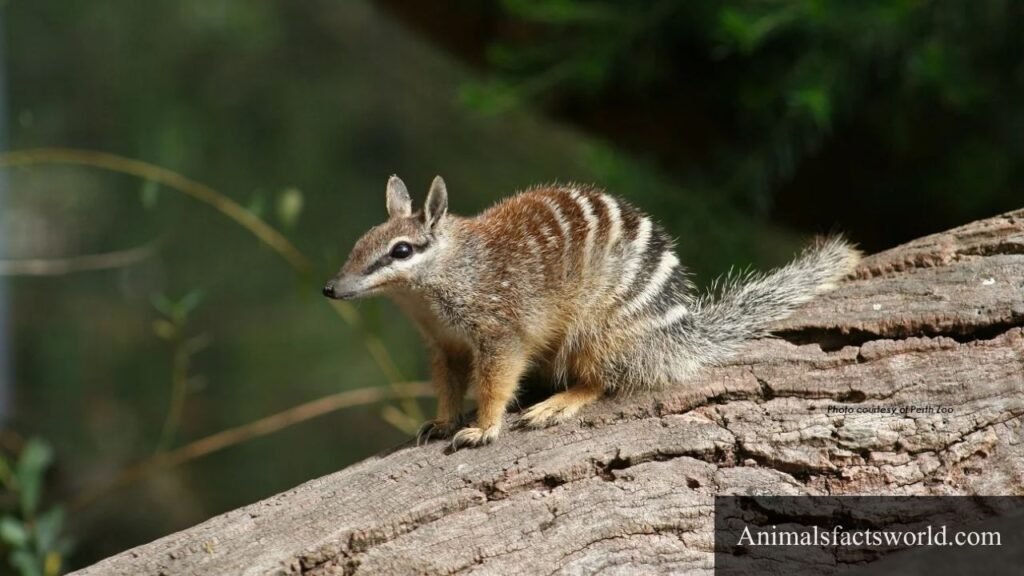
Interestingly, the numbat’s foraging routine is intricately tied to its ecology. By feeding primarily on termites, it plays a crucial role in controlling these populations, thus promoting a balanced ecosystem. Moreover, the numbat’s reliance on a single food source highlights the vulnerability of specialized feeders; as termite habitats degrade due to climate change or land development, the numbat faces significant challenges. Their nocturnal habits also contribute to their hunting prowess, as they navigate their environment under the cover of darkness, making them adept hunters in the wild. Through the numbat, we gain insight into the fragile connections within ecosystems and the profound impact of diet on survival.
Readmore: Explore Top 11 Animals That Eat Bees.
Final Thoughts
The fascinating world of animals that eat insects showcases the intricate web of interactions within ecosystems. From birds and bats to amphibians and reptiles, these creatures play a crucial role in controlling insect populations, highlighting the balance of nature. Their unique adaptations not only make them efficient hunters but also underline the importance of biodiversity. As we continue to study these remarkable animals, we gain deeper insights into their ecological significance. Let us appreciate and protect their habitats to ensure that these natural pest controllers thrive for generations to come.
FAQs
What is an animal that only eats insects?
One well-known animal that exclusively feeds on insects is the anteater. These fascinating creatures have specially adapted snouts and long tongues to reach deep into ant and termite mounds, efficiently consuming their prey. Their diet consists almost entirely of various insects, which they detect using their keen sense of smell.
What animals eat bugs?
Many animals have bugs as a staple in their diet. Birds are some of the most obvious, with species like sparrows, robins, and blue jays frequently snatching up insects to feed their young. Frogs and toads are also major bug-eaters, using their long, sticky tongues to catch insects on the fly.
Insects themselves aren’t off the menu either; some species of spiders, like orb weavers, feast on bugs that get caught in their webs. Even certain mammals, like bats, consume vast quantities of insects during their nightly foraging.