Top 13 Animals That Eat Deer (Images Included)
In this article, we’ll explore the fascinating world of animals that eat deer, unveiling the surprising relationships that shape our ecosystems. Understanding these predatory dynamics is essential for appreciating wildlife management and conservation efforts. By reading on, you’ll discover which animals play these roles and how they contribute to maintaining balance in nature.
List of Animals That Eat Deer
Below is the list of animals that eat Deer:
- Bobcats
- Leopards
- Vultures
- Mountain lions
- Golden eagles
- Wolves
- Foxes
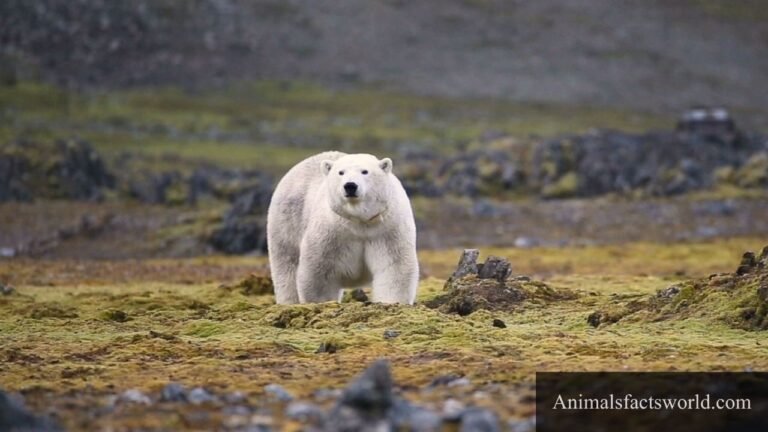
- Bears
- Coyotes
- Ravens
- Alligators
- Tigers
- Lynx
Bobcats
Scientific Name: Lynx rufus
Class: Mammalia
Diet: Carnivore
Bobcats, elusive and solitary hunters, have adapted their sleek physiques and sharp instincts to prey on various animals, including deer. While these felines typically target smaller mammals, they can occasionally overpower fawns or injured deer, especially during the spring when fawns are most vulnerable. Their keen eyesight and acute hearing allow them to detect motion from a distance, making them adept at stalking their prey in dense underbrush.
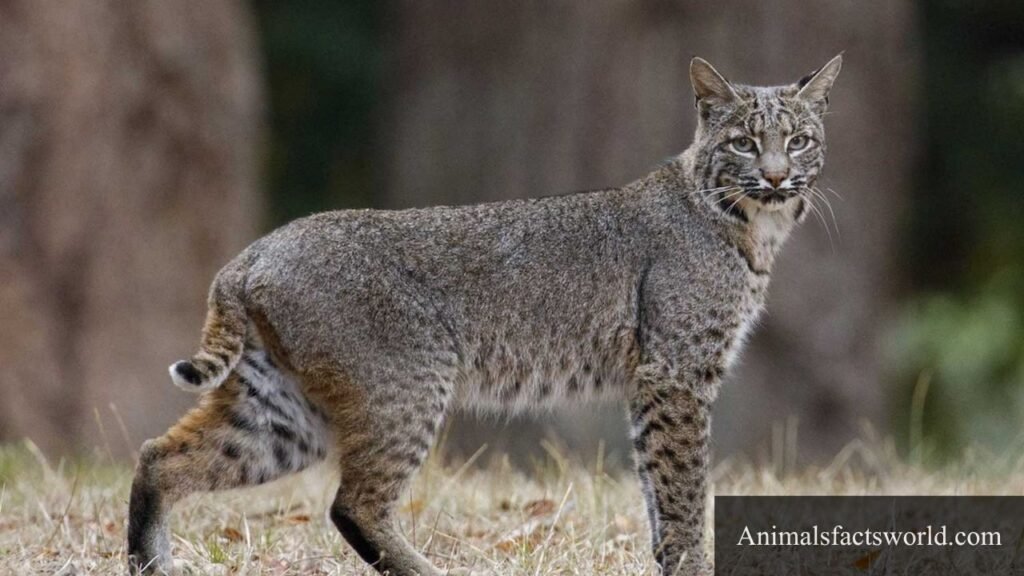
When hunting, bobcats employ a strategy that combines stealth and agility. They often rely on ambush tactics, stalking quietly until they’re within striking distance before launching a sudden attack. This method maximizes their chances of a successful kill, as deer are often caught off guard. Interestingly, bobcats don’t hunt deer frequently — they prefer smaller game, consuming deer only when opportunities present themselves. This selective predation highlights a balanced ecosystem, where larger predators like coyotes and mountain lions might dominate deer populations, allowing bobcats to play a more nuanced role in their habitat.
Leopards
Scientific Name: Panthera pardus
Class: Mammalia
Diet: Carnivore
Leopards are remarkable ambush hunters, utilizing their incredible strength and agility to stalk and overpower prey much larger than themselves, including deer. Their hunting strategy often involves waiting patiently in trees or dense brush, allowing them to launch surprise attacks when the moment is right. This stealthy approach not only conserves energy but also maximizes their chances of a successful kill, showcasing their adaptability in various habitats — from savannas to forests.
Consuming deer isn’t a daily occurrence for leopards, as they are opportunistic feeders that tackle a range of prey, from rodents to larger ungulates. However, in areas where deer are abundant, they may exploit this protein-rich resource whenever possible. Interestingly, leopards are known to cache their kills in trees, a strategy that protects their food from scavengers and allows them to return over several days to feast. This behavior reflects not just their hunting prowess but also an instinctive wisdom in managing resources, ensuring their survival in the wild.
Vultures
Scientific Name: Cathartes aura
Class: Aves
Diet: Carnivore
Vultures, often maligned as mere scavengers, play an essential role in the ecosystem, particularly when it comes to consuming deer remains. While they typically feast on carrion, their hunting strategies can be surprisingly strategic; they often soar high above the landscape, utilizing their keen eyesight to spot the remnants of deer after a natural death or a predator’s kill. Once they identify a fresh carcass, they’ll swoop down, gathering in numbers to capitalize on this nutrient-rich meal, which can be a major component of their diet in specific regions.
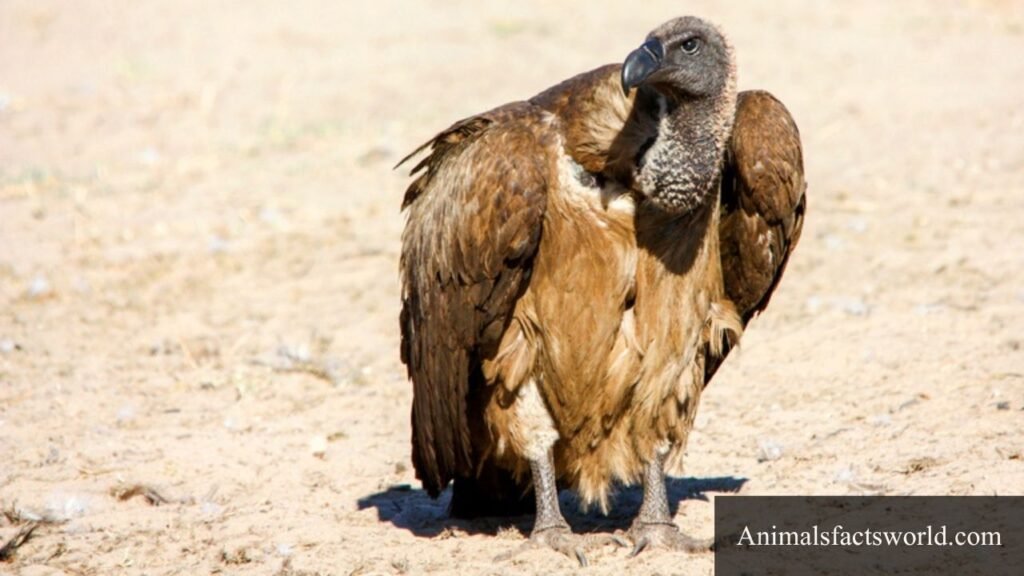
Unlike some other scavengers, vultures have a unique adaptation that allows them to safely consume decaying meat. Their highly acidic stomachs break down harmful bacteria, enabling them to thrive in environments that would be toxic to many other animals. This capacity not only highlights their role in waste removal but also reinforces their importance in preventing the spread of disease within deer populations by ensuring that decomposing carcasses don’t linger longer than necessary. Observing vultures in action offers a fascinating glimpse into nature’s cleanup crew, where the circle of life plays out in the most unexpected ways.
Readmore: Explore Top 11 Animals That Eat Bones.
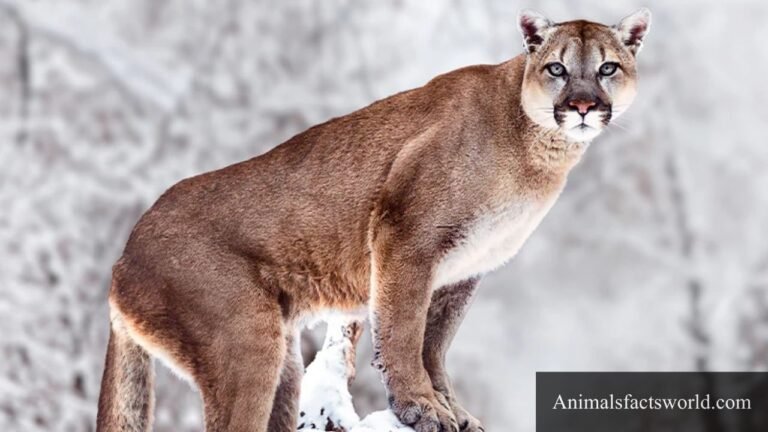
Mountain Lions
Scientific Name: Puma concolor
Class: Mammalia
Diet: Carnivore
Mountain lions, also known as cougars, are formidable predators that play a significant role in managing deer populations across North America. These elusive cats, equipped with powerful muscles and exceptional agility, employ a variety of hunting strategies that make them adept at stalking and ambushing their prey. Unlike pack hunters such as wolves, mountain lions rely on stealth and solitary approaches, often pouncing on unsuspecting deer from a concealed perch or during dusk and dawn when deer are most active.
Interestingly, a mountain lion’s diet can consist predominantly of deer, with studies showing that these big cats can consume one deer every week to ten days, depending on the availability of food and their energy expenditure. Their hunting success hinges on numerous factors, including terrain and deer behavior; for instance, they often target weak or isolated individuals, such as fawns or sick deer, ensuring they maximize their energy investment. This predation not only sustains the mountain lion but also keeps deer populations in check, fostering a healthier ecosystem where both flora and fauna thrive. As apex predators, mountain lions remind us of the intricate balance of nature and the stealthy yet commanding role they occupy in their habitats.
Golden Eagles
Scientific Name: Aquila chrysaetos
Class: Aves
Diet: Carnivore
Golden Eagles, with their impressive wingspans and sharp eyesight, are among nature’s most formidable hunters. Found in a variety of habitats across North America, these apex predators have honed specific hunting strategies that enable them to target deer, particularly fawns during the spring and early summer months. The sheer size and agility of a Golden Eagle allow it to swoop down from great heights, surprising unsuspecting prey with a potent combination of speed and precision.
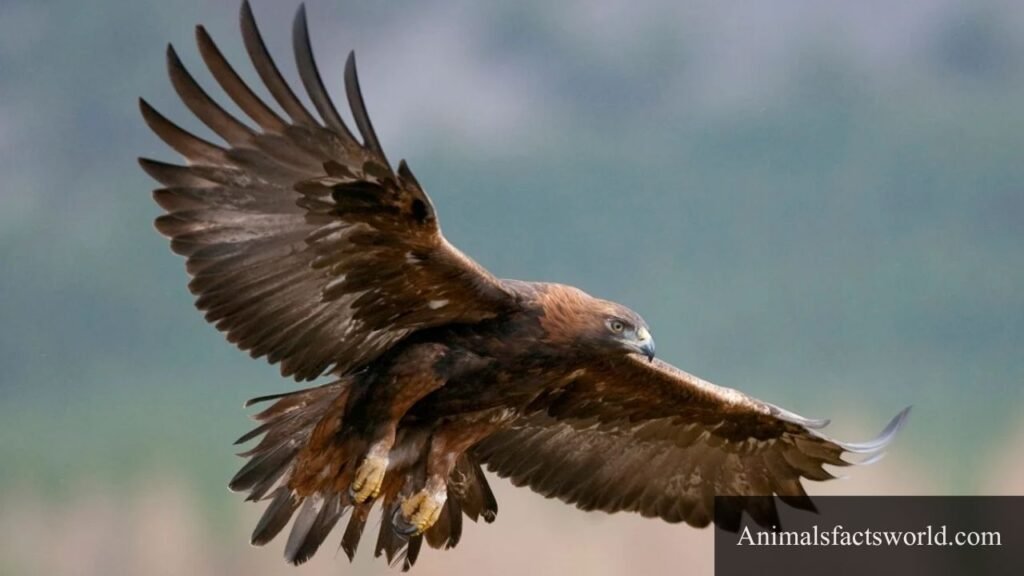
What makes the Golden Eagle’s hunting strategy particularly intriguing is its adaptability; it often collaborates with other scavengers to maximize its chances of success. In some cases, these eagles will wait for a deer to be weakened by injury or illness, allowing them to strike a vulnerable target. While deer are not their primary food source, they are a significant part of their diet during certain seasons, with studies showing that eagles can successfully hunt fawns approximately 10-15 times in a breeding season. This remarkable ability to capitalize on conditions makes Golden Eagles not just opportunistic hunters, but also essential players in maintaining the balance of their ecosystems.
Wolves
Scientific Name: Canis lupus
Class: Mammalia
Diet: Carnivore
Wolves are apex predators that employ sophisticated hunting strategies to take down deer, their primary prey. These social animals rely on their pack dynamics, often orchestrating coordinated hunts that maximize their chances of success. With a keen sense of smell and acute hearing, wolves can track deer over long distances, utilizing their endurance to chase them until fatigue sets in. Notably, the strength of a wolf pack allows them to target younger, older, or sick individuals, ensuring they minimize their energy expenditure while maximizing their nutritional gain.
As a result, deer populations can see significant fluctuations influenced by wolf predation. In ecosystems where wolves are present, studies suggest that deer exhibit behaviors to evade their natural predators, such as modifying their grazing patterns and becoming more elusive in dense terrains. Fascinatingly, this predator-prey relationship fosters a natural balance, highlighting the delicate interdependencies in forest ecosystems. By understanding the hunting habits of wolves, we gain insights not only into the lives of these majestic creatures but also into the intricate web of life they help sustain.
Foxes
Scientific Name: Vulpes vulpes
Class: Mammalia
Diet: Omnivore
Foxes, often underestimated in the grand scheme of the wildlife food chain, can indeed partake in the occasional deer meal, especially juveniles or sickly individuals. Their opportunistic hunting strategies are key to this predation; rather than relying on strength, these cunning canids employ stealth and agility. A well-timed ambush can yield a surprising reward for a fox, especially when targeting fawns that are vulnerable and separated from protective mothers.
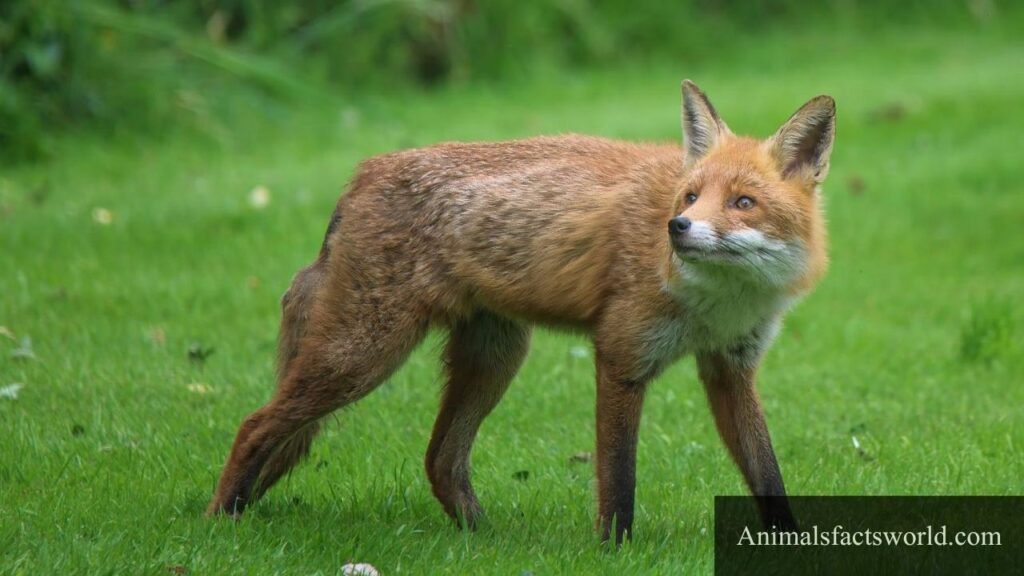
While deer make up only a fraction of a fox’s diverse diet, the act of hunting them reveals fascinating adaptability. Foxes often use their keen sense of smell and acute hearing to locate deer in dense underbrush. Their ability to exploit this resource is particularly acute during late spring and early summer, when fawns are born and their population peaks. This seasonal shift showcases the fox’s role in the ecosystem, maintaining a balance by keeping deer populations in check while also benefiting their own survival. Thus, foxes exemplify the intricate dance of predator and prey, reminding us that even the smallest hunters can leave a significant mark on the landscape.
Bears
Scientific Name: Ursus arctos
Class: Mammalia
Diet: Omnivore
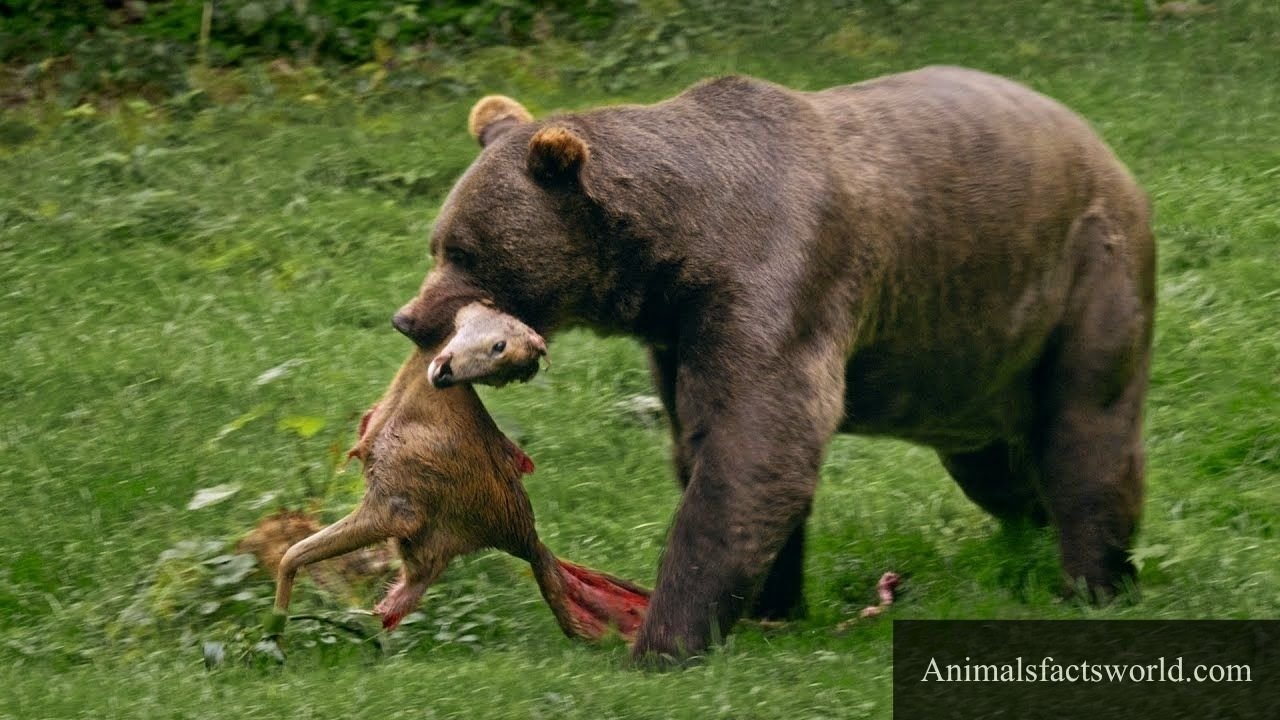
Bears, particularly black and grizzly bears, are opportunistic predators that occasionally include deer in their diets. Unlike more specialized hunters, bears rely on their keen sense of smell and ambush tactics to catch their prey. While their primary food sources often consist of berries, nuts, and fish, they won’t hesitate to capitalize on the weak and vulnerable members of deer populations, especially during late summer and early fall when they need to bulk up before hibernation.
The hunting strategies of bears can be surprisingly sophisticated, employing a mix of stealth and brute force. They often stalk deer to exploit moments of vulnerability, such as fawns in the spring or injured adults. Surprisingly, the frequency of deer consumption varies by region and season; in areas with high bear population density or scarce food resources, deer can make up a significant portion of a bear’s diet. This adaptability highlights the interconnectedness of ecosystems, as bears play a crucial role in controlling deer populations and maintaining ecological balance.
Coyotes
Scientific Name: Canis latrans
Class: Mammalia
Diet: Omnivore
Coyotes, known for their adaptability and cunning, are opportunistic hunters that often include deer in their diets, particularly fawns and weakened adults. While adult deer are large, coyotes employ strategic hunting techniques, typically coordinating in small packs to outmaneuver their prey. This cooperative behavior allows them to exploit vulnerabilities, especially during the fawning season when young deer are more naive and defenseless.
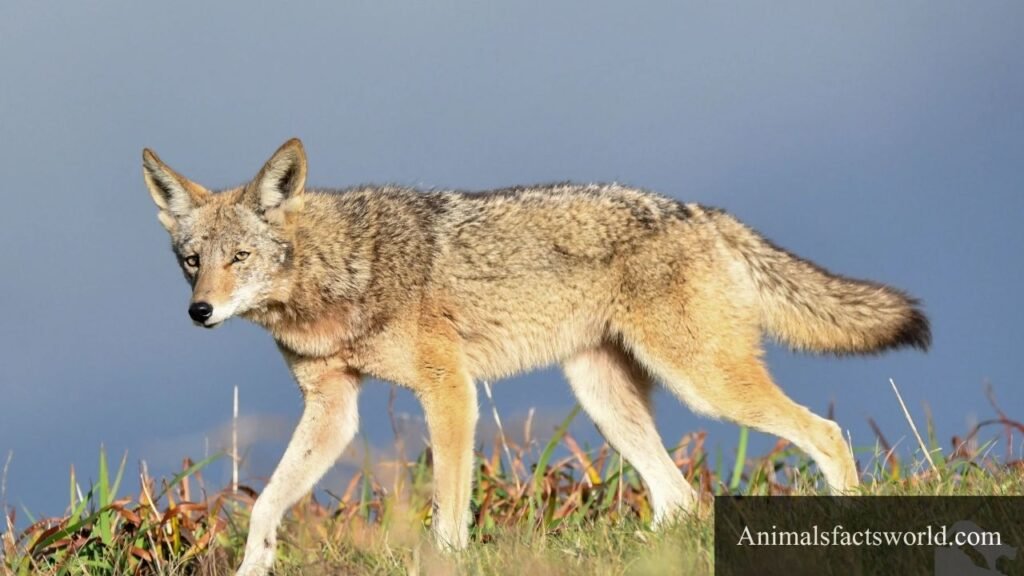
Interestingly, coyotes’ consumption of deer varies with seasonal changes. During the spring and summer months, they’re more likely to target fawns, capitalizing on the fact that these young deer are often left alone by their mothers. In autumn and winter, larger deer carcasses become vital food sources, especially when hunting becomes more challenging due to snow cover or scarce resources. This adaptability not only allows coyotes to thrive in diverse environments but also plays a crucial role in maintaining the balance of prey populations, highlighting their importance in the ecosystem as natural hunters.
Ravens
Scientific Name: Corvus corax
Class: Aves
Diet: Omnivore
Ravens are often seen as mere scavengers, but their relationship with deer extends far beyond opportunistic feeding. These intelligent birds exhibit remarkable hunting strategies, particularly when they target fawns — deer less than a year old. By utilizing their social structures, a group of ravens can create chaos, drawing the attention of predators like coyotes or wolves, all while waiting for an opportune moment to swoop in for an easy meal. This cooperative hunting not only showcases their cunning but also emphasizes the interconnected dynamics of forest ecosystems.
Interestingly, ravens have an acute awareness of deer movements through their keen observation skills. They often follow deer during the rutting season when these ungulates become more vulnerable due to increased activity. Fawns, in particular, attract the ravens’ interest because they’re easier to dispatch than fully grown deer. Their adaptability in exploiting this resource demonstrates how every species plays a role in regulating wildlife populations, underscoring the complexity of nature’s food web. In this context, ravens aren’t merely scavengers; they are active participants in the delicate balance maintaining the health of their ecosystems.
Alligators
Scientific Name: Alligator mississippiensis
Class: Reptilia
Diet: Carnivore
Alligators, often perceived as apex predators of freshwater habitats, have a surprisingly diverse diet that can include the opportunistic consumption of deer. While they predominantly feed on fish, amphibians, and small mammals, alligators are known to take down young or vulnerable deer when the chance arises, particularly in regions where overlap occurs between their habitats and the deer’s grazing grounds. This unconventional behavior showcases their adaptability and highlights the sometimes-overlooked dynamics of predator-prey relationships in wetland ecosystems.
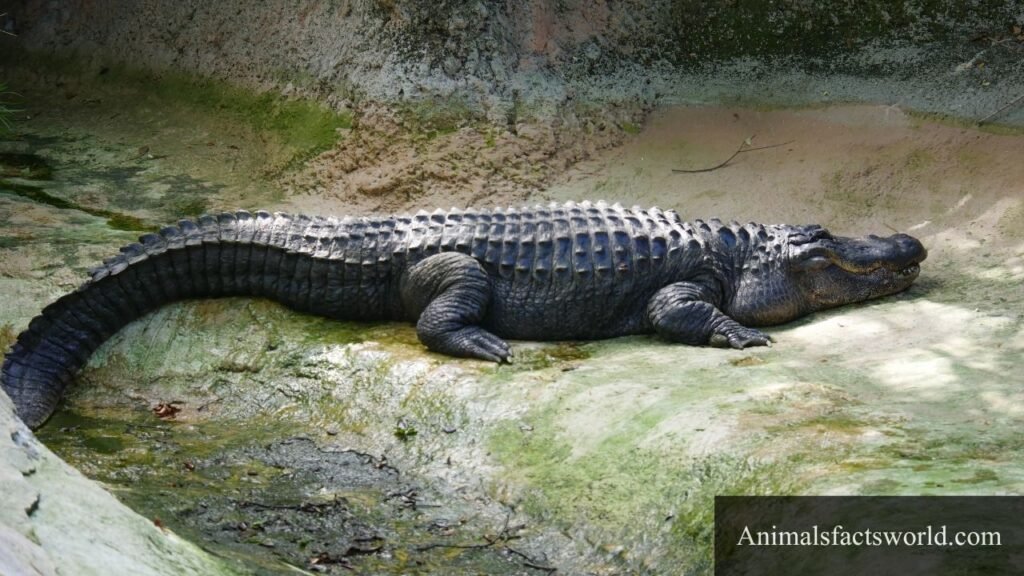
Alligator hunting strategies are fascinating in their execution; they employ a stealthy ambush approach, utilizing their camouflage to blend seamlessly with the water’s surface. When deer venture too close to the water’s edge for a drink, alligators can strike with astonishing speed and power. Although this may not be their primary food source, such encounters provide critical sustenance, especially during colder months when food availability is more limited. Understanding these interactions not only enriches our knowledge of alligator behavior but also sheds light on the integral role they play in maintaining the ecological balance within their environments.
Tigers
Scientific Name: Panthera tigris
Class: Mammalia
Diet: Carnivore
Tigers, as apex predators, have evolved sophisticated hunting strategies to stalk and consume deer, among other large ungulates. Their solitary nature allows them to utilize stealth and strength, often employing a unique ambush technique that capitalizes on their powerful bodies and camouflage. By patiently waiting in the underbrush, tigers can launch a surprise attack, targeting the flanks of unsuspecting deer, which are often grazing unaware. This calculated approach drastically increases their chances of a successful hunt.
Remarkably, a tiger’s diet can consist of deer as frequently as every 5 to 7 days, depending on the availability of prey and individual needs. In areas where deer populations are high, such as the lush forests of India and Southeast Asia, tigers can become specialists in hunting these mammals. Their formidable presence not only keeps deer populations in check, fostering a balance in the ecosystem, but also underscores the delicate relationship between predator and prey. Through this lens, tigers are not just fearsome hunters; they are vital players in the narrative of the wild, maintaining the health and dynamics of their habitats.
Lynx
Scientific Name: Lynx lynx
Class: Mammalia
Diet: Carnivore
Lynx are masterful hunters, equipped with sharp reflexes and specialized adaptations that make them effective predators of deer, particularly in the form of young or weakened individuals. These elusive felines employ a stealthy stalking technique, often using their keen eyesight and acute hearing to detect movement in dense forests. Once they’ve pinpointed an unsuspecting deer, lynx strike with incredible speed and precision, typically pouncing from a concealed position. This ambush strategy not only conserves energy but also maximizes their chances of a successful catch.
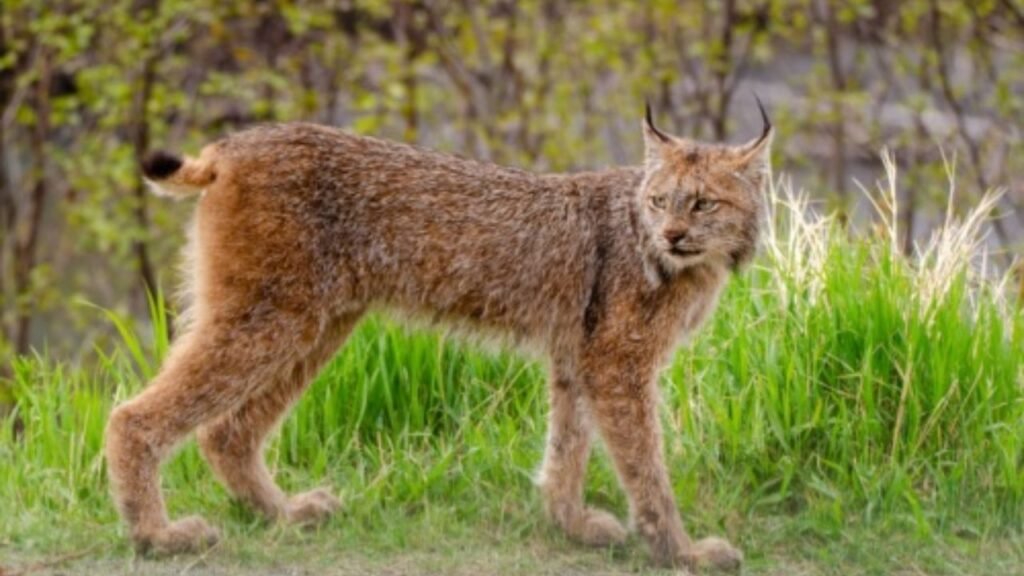
While deer make up a crucial part of their diet, lynx typically consume them less frequently than their larger counterparts, such as wolves. Lynx are opportunistic eaters, relying heavily on smaller mammals like hares, but will feast on deer when the opportunity arises, especially during colder months when other food sources are scarce. Their hunting success varies but is notably higher when they focus on fawns during spring and early summer, as these young deer are less mobile and can easily fall prey to the lynx’s stealthy approach. By understanding the dietary habits and hunting strategies of lynx, we gain insight into the delicate balance of ecosystems where predator and prey interconnect.
You can also read: Explore 17 Animals That Eat Insects.
Final Thoughts
The complex predator-prey relationships in nature illustrate the vital role that animals that eat deer play in maintaining ecological balance. Species such as wolves, mountain lions, and bears contribute to population control, ensuring that deer remain a sustainable species rather than overpopulating their habitats. These predators help maintain a healthy ecosystem by encouraging the growth of vegetation, which in turn supports other wildlife. Understanding this intricate balance is crucial for wildlife conservation efforts. As stewards of the environment, we must advocate for the protective measures that preserve these important predator species.
FAQs
What animal eats deer?
Several predators consume deer as part of their diet. The most prominent among these are wolves, which often hunt in packs to take down larger prey. Cougars, also known as mountain lions, are solitary hunters that rely on stealth and strength. Both animals are capable of taking down adult deer, although young fawns are vulnerable to a range of predators.
Scavengers like bears and even some birds, such as vultures, will eat deer carcasses when available. In some regions, alligators may also pose a threat to deer that venture near water sources.
Which bird eats deer?
The bird most famously known for its unusual diet that sometimes includes the flesh of dead deer is the vulture. These scavengers have a strong sense of smell, which helps them locate carrion, including deer carcasses. While they don’t actively hunt deer, they will readily feed on them when they find them deceased. Another bird that might come to mind is the bald eagle. While primarily fish eaters, they are opportunistic and will scavenge on carrion, including deer, especially if they find a carcass that other animals have left behind.