Top 15 Animals That Eat Hay (Pictures Included)
In this article, we’ll explore the fascinating world of animals that eat hay, uncovering their nutritional needs and the role hay plays in their diets. Understanding these herbivorous creatures is crucial not just for animal lovers, but also for farmers and wildlife enthusiasts. By the end, you’ll appreciate how hay sustains various animals and the ecosystems they inhabit.
List of Animals That Eat Hay
Here is the list of animals that eat hay:
- Pigs
- Alpacas
- Goats
- Rabbits
- Zebras
- Chinchillas
- Cows
- Ducks
- Horses
- Tortoises and Turtles
- Sheep
- Chickens
- Deer
- Llamas
- Guinea Pigs
Pigs
Scientific Name: Sus domesticus
Class: Mammalia
Diet: Omnivore
Pigs are surprisingly versatile eaters, and hay plays a significant role in their diet. While pigs are omnivores, adding hay, particularly from grass or legumes, provides essential fiber that aids in digestion and promotes gut health. This fibrous component can make up to 20-30% of a pig’s daily dietary intake, depending on their age and production stage. By incorporating hay, farmers can also balance nutrient absorption, reducing the risk of obesity and associated health issues.
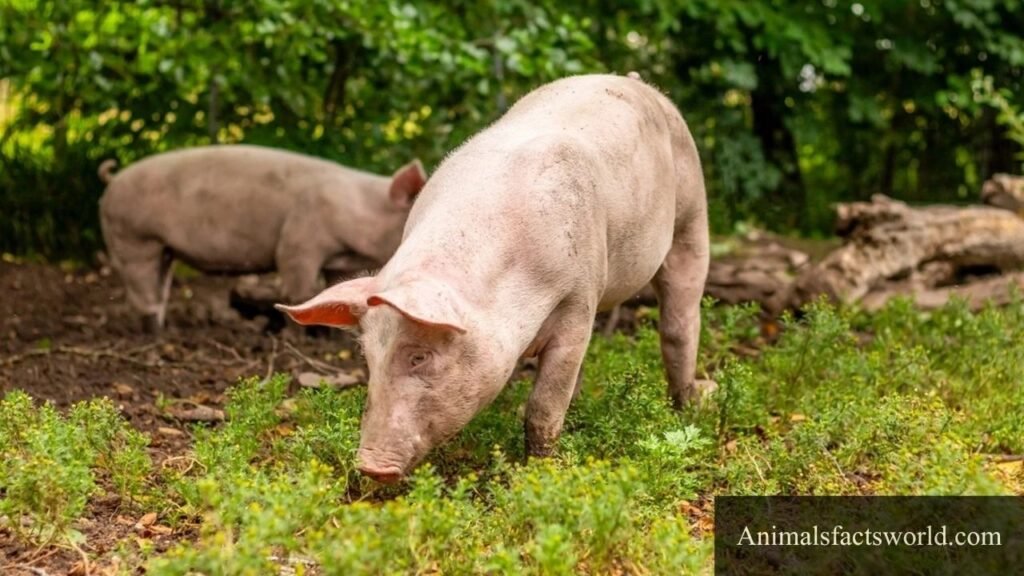
Beyond the foundational benefits, hay offers a wealth of nutrients that support the overall well-being of pigs. It helps in maintaining healthy teeth through the natural chewing process, which is crucial for pigs as they grow and develop. The act of foraging for hay can stimulate their natural behaviors, promoting mental stimulation and reducing stress. In essence, integrating hay into a pig’s diet not only enhances nutritional value but also enriches their environment, reflecting the complex needs of these intelligent animals.
Alpacas
Scientific Name: Vicugna pacos
Class: Mammalia
Diet: Herbivore
Alpacas are also fascinating herbivores primarily reliant on hay as a key dietary component. In fact, hay can constitute up to 80% of their daily intake, making it essential for their digestive health. As ruminants, alpacas have unique stomachs equipped to break down fibrous plant material, and quality hay provides the necessary roughage to support their intricate digestive processes.
Beyond sustenance, hay plays a pivotal role in maintaining the overall health of alpacas. It aids in keeping their teeth naturally worn down, which is crucial for preventing dental issues that can arise from overgrown teeth. Moreover, the high fiber content in hay helps regulate their gut motility, reducing the risk of colic and other gastrointestinal disturbances. By carefully selecting high-quality grass or legume hay, owners can not only ensure their alpacas thrive but can also witness the vibrant energy and playful spirit they exhibit when nourished properly.
Goats
Scientific Name: Capra hircus
Class: Mammalia
Diet: Herbivore
Goats are remarkable herbivores, often seen nibbling on hay as a staple of their diet. This fibrous food not only fulfills their nutritional needs but also provides essential roughage for healthy digestion. In fact, hay typically constitutes about 50-80% of a goat’s diet, depending on their age, size, and specific energy requirements. Soft, nutrient-rich varieties like alfalfa or timothy hay can significantly enhance their intake of vital vitamins and minerals.
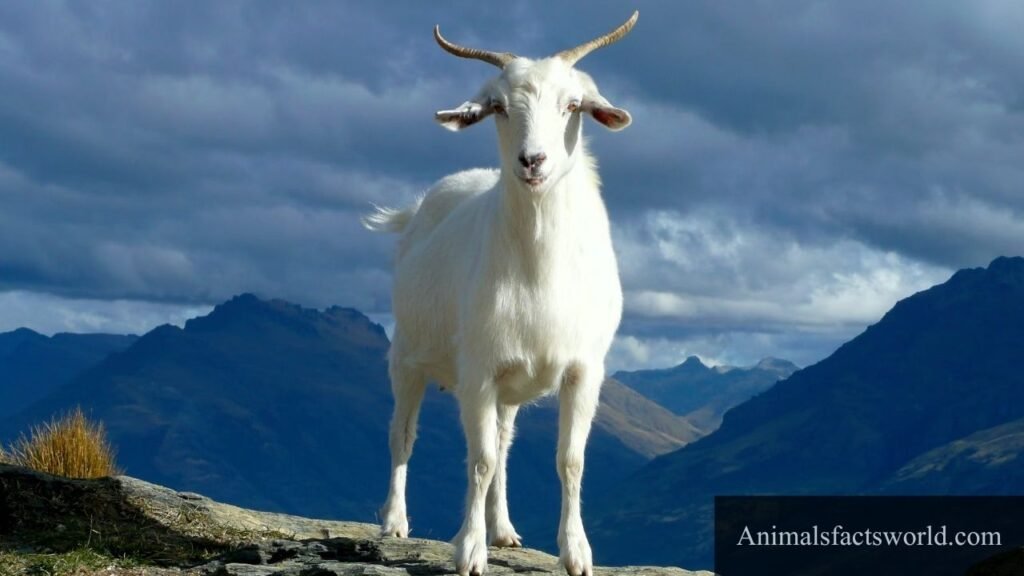
Beyond just a source of sustenance, hay plays a pivotal role in maintaining a goat’s overall health. Its high fiber content helps prevent digestive troubles, such as bloating or intestinal blockages, which are common in ruminants. Moreover, the act of foraging for hay mimics their natural grazing behavior, providing mental stimulation and reducing stress. As they nibble away diligently, goats also contribute to their environment by helping to maintain pasture health, promoting a balanced ecosystem. The playful and curious nature of goats, combined with their love for hay, makes them not only charming companions but also essential stewards of their habitats.
Readmore: Explore Top 11 Animals That Eat Bones.
Rabbits
Scientific Name: Oryctolagus cuniculus
Class: Mammalia
Diet: Herbivore
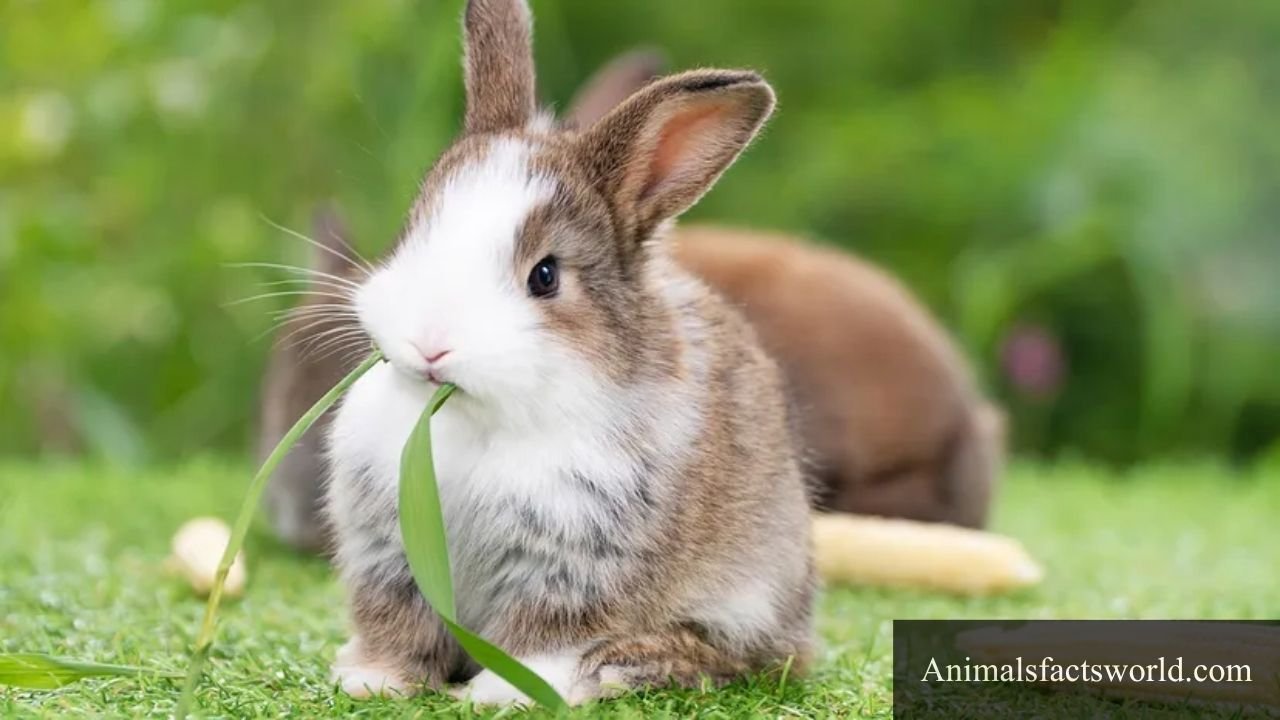
Rabbits are renowned for their love of hay, which forms the cornerstone of their diet and is essential for their health. Depending on their size and age, hay should comprise about 70-80% of a rabbit’s daily intake. This fibrous green goodness, particularly from timothy, orchard grass, or meadow hay, plays a critical role in promoting healthy digestion and preventing obesity. The high fiber content ensures a well-functioning digestive system while also helping to grind down their continuously growing teeth.
Moreover, the benefits of hay extend beyond mere sustenance. Providing a varied selection of hay not only keeps meals interesting but also enriches a rabbit’s environment, encouraging natural foraging behavior. This mental stimulation is crucial for their well-being, helping to reduce stress and prevent destructive behaviors. By incorporating hay into their daily routine, owners can ensure their furry companions remain both physically healthy and mentally stimulated, resulting in a happier, more vibrant pet.
Zebras
Scientific Name: Equus quagga
Class: Mammalia
Diet: Herbivore
Zebras are more than just visually captivating; they play an essential role in their ecosystems as herbivores. Hay provides a vital component of their diet, especially in habitats where fresh vegetation is scarce. In fact, hay can form up to 90% of a zebra’s diet during dry seasons, allowing these resilient grazers to maintain their energy levels while navigating their arid environments.
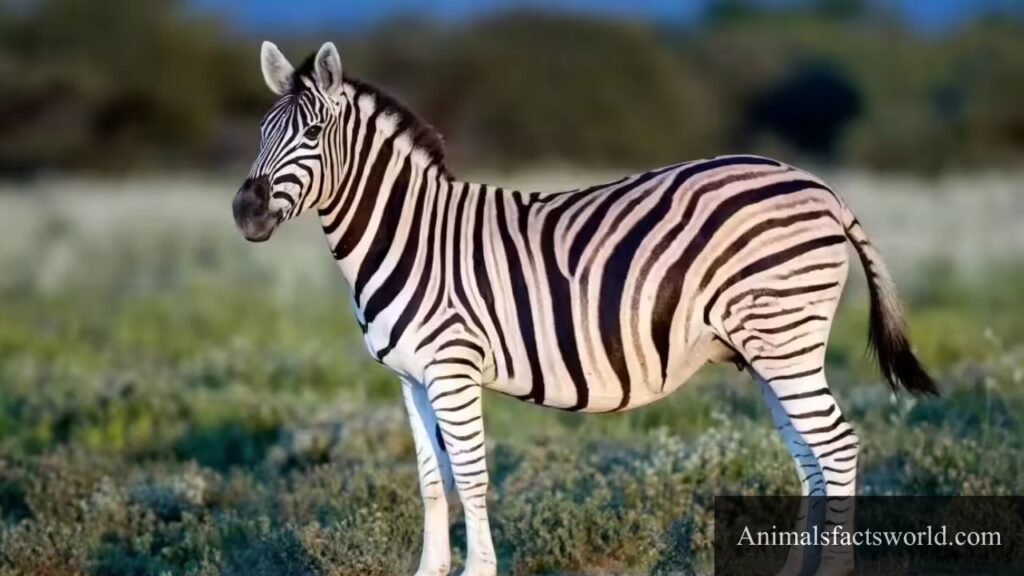
Beyond mere sustenance, the consumption of hay brings several benefits. It is rich in fiber, which aids in the proper functioning of a zebra’s digestive system. This high-fiber diet helps prevent digestive disorders, ensuring that zebras can efficiently extract the nutrients they need from the grasses they consume. By grazing on hay, zebras contribute to the ecological balance of their habitats, as their feeding habits encourage new growth and support diverse plant life. Thus, hay isn’t just a dietary staple for zebras; it’s pivotal for both their health and the health of the ecosystems they inhabit.
Chinchillas
Scientific Name: Chinchilla lanigera
Class: Mammalia
Diet: Herbivore
Chinchillas, those adorable, fluffy creatures native to the Andes, have a unique dietary preference that makes hay a cornerstone of their nutrition. Consuming hay — primarily timothy, orchard, or meadow hay — constitutes about 70% of their diet. This high-fiber food helps maintain a healthy digestive system, critical for their sensitive gastrointestinal tracts. Given their natural habitat in rocky terrains, chinchillas are evolutionarily equipped to benefit from the abrasive texture of hay, which aids in wearing down their continuously growing teeth.
In addition to ensuring dental health, hay plays a pivotal role in promoting overall wellbeing. The fibrous nature slows down digestion, allowing chinchillas to extract vital nutrients while also preventing obesity, a common issue for pets fed high-calorie diets. Furthermore, the act of foraging and chewing hay mimics their natural behaviors, keeping them mentally stimulated and physically active. By incorporating quality hay into their diet, chinchilla owners are setting the stage for a happy, thriving pet, showcasing how something as simple as hay can have profound effects on their health and vitality.
Cows
Scientific Name: Bos taurus
Class: Mammalia
Diet: Herbivore
Cows are fascinating creatures, particularly when it comes to their dietary habits. As ruminants, they rely heavily on cellulose-rich forages like hay, which can constitute up to 80% of their diet. This high-fiber intake is not just a matter of preference; it’s crucial for their digestive health. The fermentation process in their multi-chambered stomachs breaks down the tough plant materials, allowing cows to extract essential nutrients that support growth and milk production.
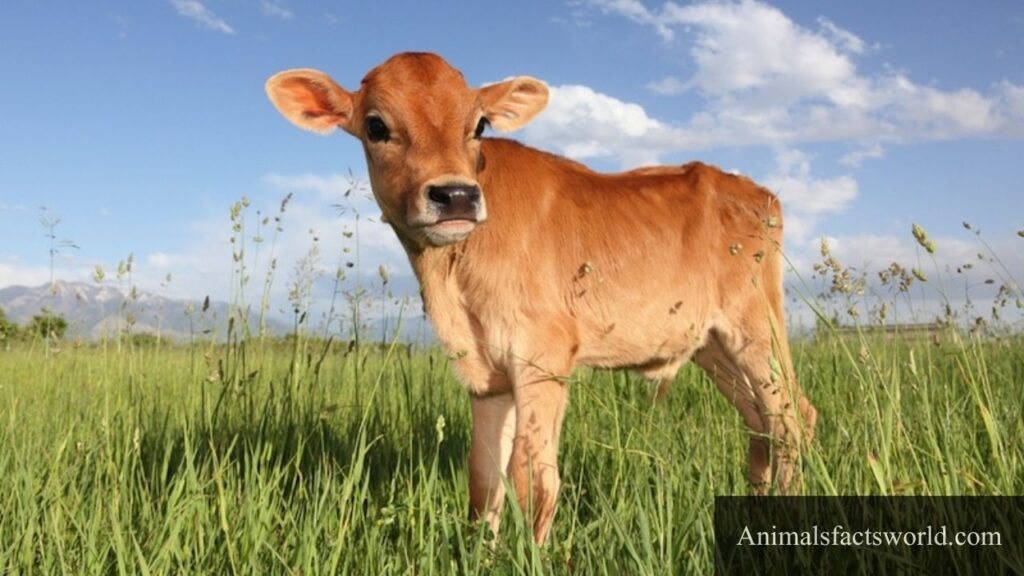
Beyond mere sustenance, hay serves as a natural means of promoting rumination, a process that stimulates saliva production and aids in pH balance within the stomach. This not only enhances nutrient absorption but also supports overall digestive efficiency. Moreover, quality hay boasts a variety of nutrients — such as protein and minerals — that can directly influence the health of both the cow and its products, including milk. In essence, this unassuming feed plays a pivotal role in the well-being of these gentle giants, proving that what seems simple on the surface can hold profound significance in the intricate web of agricultural practices.
Ducks
Scientific Name: Anas platyrhynchos
Class: Aves
Diet: Omnivore
Ducks are often celebrated for their love of water and dabbling in the mud, but their diet can be surprisingly diverse. While they primarily feast on aquatic plants, insects, and grains, hay also plays a significant role when it comes to providing essential nutrients. Offering hay — especially alfalfa or grass hay — can enhance their diet, particularly during the colder months when foraging becomes scarce. This nutrient-rich treat can boost their calcium and fiber intake, crucial for maintaining healthy digestion and strong bones.
Interestingly, ducks don’t just nibble on hay; they can also engage in unique feeding behaviors that highlight their adaptability. Feathers ruffled and beaks busy, they often use their powerful jaws to pull apart strands, mixing the hay with grains or pellets for a more balanced meal. This interaction not only showcases their resourcefulness but also underlines the importance of variety in their diet to prevent boredom. Furthermore, providing hay creates an enriching environment that encourages natural foraging instincts, allowing ducks to dig and sift through the strands, promoting mental stimulation as well as physical health.
Horses
Scientific Name: Equus caballus
Class: Mammalia
Diet: Herbivore
Horses are primarily herbivores, relying on hay as a cornerstone of their diet. In fact, hay can constitute up to 80% of a horse’s daily nutritional intake, depending on its life stage and activity level. This fibrous feed is crucial for maintaining gut health, as horses are designed to graze continuously, aiding in digestion and preventing gastrointestinal issues. Various types of hay, like timothy or alfalfa, provide essential nutrients, including fiber, vitamins, and minerals, which support overall wellbeing.
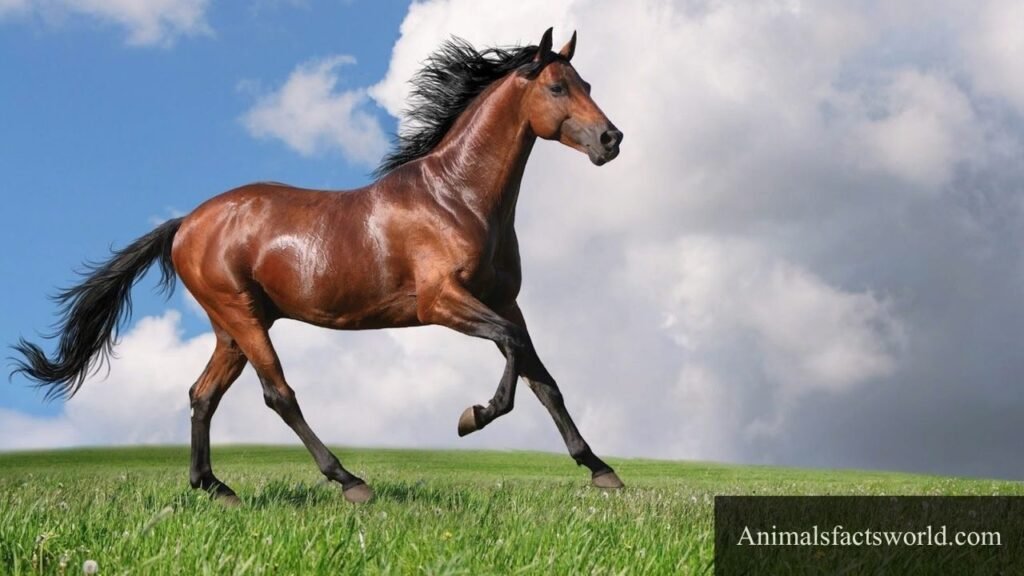
The consumption of hay not only satisfies a horse’s physical need for food but also plays a vital psychological role. Chewing hay helps alleviate boredom and offers a calming effect, akin to a natural remedy for stress and anxiety. Moreover, the type and quality of hay can significantly impact a horse’s performance; higher-quality hay leads to enhanced energy levels and improved stamina. Understanding these nuances reinforces the significance of hay in a horse’s life, painting a picture of a balanced diet that nurtures both body and mind.
Turtles
Scientific Name: Testudines
Class: Reptilia
Diet: Herbivore
Turtles, often celebrated for their slow and steady demeanor, have a rather diverse diet that can include hay, particularly for species like tortoises. While many might picture these reptiles nibbling on leafy greens or fruits, hay serves an essential role, especially in maintaining digestive health. High-fiber hay, such as timothy or orchard grass, contributes significantly to their overall diet, often making up 50% to 80%, depending on the species and their specific dietary needs.
The benefits of hay extend beyond mere fiber content. It helps in wearing down the turtles’ beak, promotes gut health, and can even aid in hydration, particularly when it’s offered fresh and of good quality. For herbivorous turtles, hay is a staple that mimics their natural foraging behavior, encouraging them to graze like they would in the wild. Incorporating hay into their diet not only keeps them physically healthy but also stimulates mental engagement as they explore different textures and flavors, enriching their overall well-being.
Sheep
Scientific Name: Ovis aries
Class: Mammalia
Diet: Herbivore
Sheep are remarkable grazers that rely heavily on hay as a key component of their diet, especially during the colder months when fresh pasture is scarce. Typically, hay can make up about 70% of a sheep’s diet, offering essential nutrients that promote health and vigor. This fibrous forage is rich in roughage, which not only aids their digestive system but also plays a crucial role in maintaining their overall well-being.
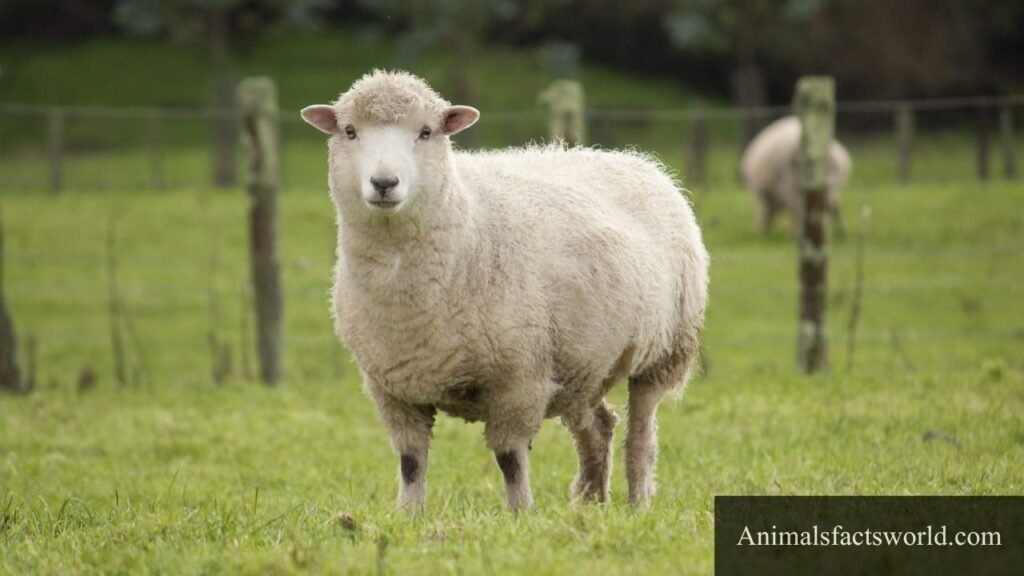
Interestingly, the consumption of hay enhances the sheep’s rumen function, allowing them to efficiently break down complex carbohydrates and convert them into energy. Alongside minerals and vitamins, hay provides critical fiber that supports rumination. As sheep munch through the dried grass, they stimulate saliva production, which helps neutralize stomach acids and improves digestive health.
Chickens
Scientific Name: Gallus gallus domesticus
Class: Aves
Diet: Omnivore
Chickens might not be the first animals that come to mind when thinking about hay consumption, but this fibrous grass offers significant benefits to their diet. While their primary feed consists of grains and seeds, incorporating hay can enhance their overall health. In fact, hay provides crucial roughage that aids digestion, ensuring a well-balanced intake of nutrients. Just like other livestock, a hen’s diet can benefit from the addition of approximately 10-20% hay, creating a more versatile and enjoyable eating experience.
Moreover, feeding chickens hay not only impacts their gut health but can also contribute to better egg quality. The rich fiber content promotes a healthy gut flora, which is essential for nutrient absorption. Chickens that have access to hay often display more vibrant energy levels and improved foraging behaviors, turning feeding time into a semi-natural scavenging experience. With the right balance of hay in their diet, these birds can lead healthier lives while also enjoying the natural textures and flavors of their food.
Deer
Scientific Name: Cervidae
Class: Mammalia
Diet: Herbivore
Deer, often regarded as graceful grazers, rely heavily on hay as a vital component of their diet, particularly during the colder months when fresh forage is scarce. Depending on the species and region, hay can constitute a significant portion — up to 70% — of their diet in winter. Its fibrous nature aids in digestion, allowing deer to extract essential nutrients while maintaining gut health. By consuming hay, deer are able to fulfill their energy needs and sustain their metabolic processes, critical for survival in harsh environments.
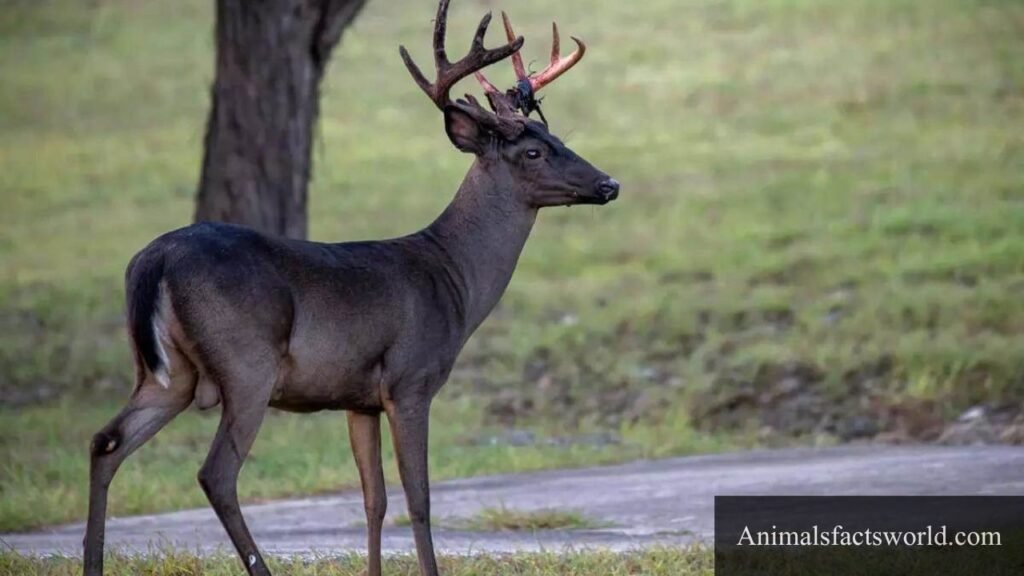
Interestingly, the consumption of hay also has ecological implications. By foraging on hay, deer help in seed dispersal, inadvertently promoting plant diversity in their habitats. This interaction allows for a balanced ecosystem, fostering growth in various plant species while also providing sustenance for other wildlife. Furthermore, the benefits of hay extend beyond nutrition; it serves as a crucial stockpile that deer rely on, helping them to navigate through periods of food scarcity with resilience and adaptability.
Llamas
Scientific Name: Lama glama
Class: Mammalia
Diet: Herbivore
Llamas are fascinating herbivores whose dietary habits revolve significantly around hay. In the wild, these animals primarily graze on grasses and shrubs, but domesticated llamas thrive on high-quality hay, which serves as a crucial component of their diet. Typically, hay can constitute up to 80% of their total food intake, providing essential fiber for healthy digestion. This fibrous content not only keeps their digestive systems functioning optimally, but it also helps to prevent common issues like bloat or colic.
Moreover, feeding llamas hay comes with a myriad of benefits. It aids in weight management by providing bulk without excessive calories, which is vital for their overall health. The consumption of hay also promotes natural foraging behavior, ensuring llamas remain mentally stimulated and engaged. Furthermore, the variety of hay — be it timothy, alfalfa, or meadow hay — offers a range of nutrients and minerals that can cater to the specific health needs of each llama, ensuring they remain robust and lively. By understanding and optimizing their hay consumption, caregivers can significantly enhance the well-being and longevity of these gentle giants.
Guinea Pigs
Scientific Name: Cavia porcellus
Class: Mammalia
Diet: Herbivore
Guinea pigs are herbivorous creatures that thrive on a diet rich in hay, which constitutes the bulk of their nutritional needs. High-quality hay, such as timothy or orchard grass, forms the foundation of their diet, making up about 70-80%. This fibrous staple not only keeps their digestive systems running smoothly but also aids in the maintenance of healthy teeth, as the constant chewing helps wear down their ever-growing incisors.
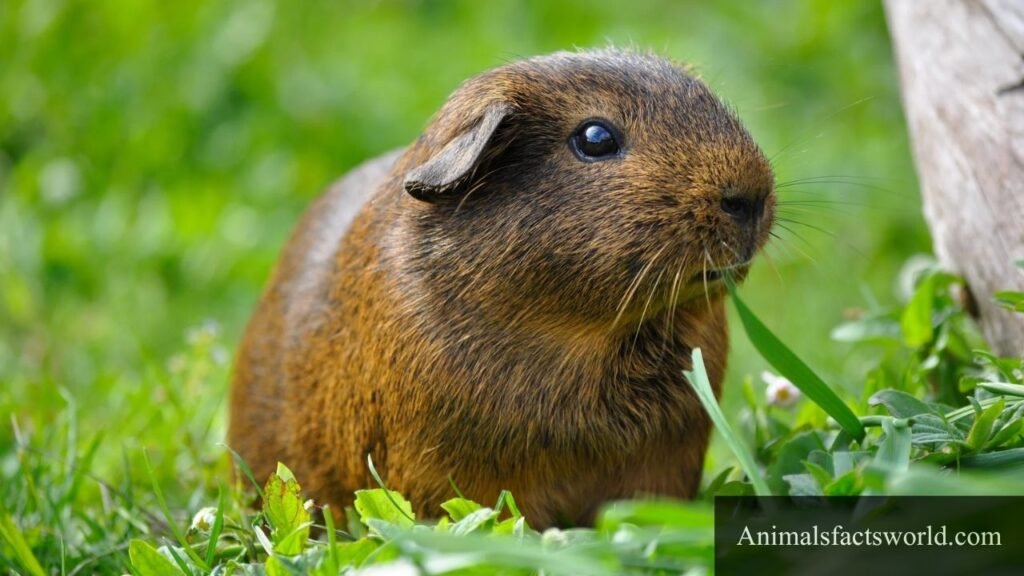
Beyond its role in digestion, hay serves as a source of essential nutrients and vitamins necessary for a guinea pig’s overall well-being. Unlike many other pets, guinea pigs cannot produce their own vitamin C, making it crucial for their health. When they munch on hay, they also obtain the fiber needed to prevent obesity and gastrointestinal issues. Offering a variety of hay types can further enrich their diet, preventing boredom and ensuring they receive a diverse range of nutrients to thrive. By prioritizing hay in their daily meals, guinea pig owners can significantly enhance their pets’ longevity and quality of life.
You can also read: Explore 17 Animals That Eat Insects.
Final Thoughts
Hay is a crucial component of the diets of many herbivorous animals, providing essential nutrients and fiber. From horses to rabbits, these creatures rely on hay not only for sustenance but also for maintaining healthy digestion. As responsible pet owners and animal caretakers, it’s vital to ensure that these animals receive high-quality hay suited to their specific dietary needs. Different types of hay, be it timothy, alfalfa, or meadow hay, offer varying benefits, emphasizing the importance of informed choices. Ultimately, understanding the role of hay in these animals’ diets can lead to healthier, happier lives for our beloved companions.
FAQs
Which animal eats hay?
Many animals eat hay, primarily herbivores like horses, cows, and rabbits. Horses rely on hay as a crucial part of their diet, providing essential fiber for digestion. Cattle also benefit from hay, especially when fresh grass is scarce. Other animals, like goats and sheep, enjoy hay too. It’s rich in nutrients and offers variety, making it a staple in their diet.
Do rabbits eat hay?
Yes, rabbits do eat hay, and it’s actually a crucial part of their diet. Hay is high in fiber, which helps keep their digestive systems healthy and supports dental health by preventing teeth from becoming overly long. Timothy hay, oat hay, and orchard grass are popular choices.
Can mice eat hay?
Yes, mice can eat hay, but it’s not their primary food source. Hay can provide some roughage and be a good addition to their diet, particularly for helping with digestion. However, mice thrive on a diet rich in grains, seeds, fruits, and vegetables.
Do ferrets eat hay?
Ferrets don’t eat hay. Their diet primarily consists of high-quality protein and fat sources, such as raw or cooked meats, and specialty ferret kibble.