Top 13 Animals That Eat Cows (With Pictures)
In “Animals That Eat Cows,” we delve into the unexpected world of wildlife that targets bovines, shedding light on an often-overlooked aspect of the animal kingdom. By understanding these interactions, you’ll gain a fresh perspective on the intricate relationships between species and the importance of biodiversity. Join us as we unpack the surprising facts behind these hunters and their impact on farming and nature alike.
List of Animals That Eat Cows
Below is the list of animals that eat cows:
- Wolves
- Flesh flies
- Mountain lions
- Dogs
- Foxes
- Maggots
- Jackals
- Bears
- Coyotes
- Beetles
- Vultures
- Hyenas
- Crocodiles
Wolves
Scientific Name: Canis lupus
Class: Mammalia
Diet: Carnivore
Wolves, often regarded as apex predators, possess a remarkable adaptability that allows them to thrive in varied ecosystems. While their primary diet consists of smaller mammals, they are known to target larger prey, including livestock like cows, particularly in times of scarcity. This predatory behavior often emerges from their instinct to hunt in packs, showcasing their sophisticated social structures. When a wolf pack encounters a solitary cow, especially one that is isolated or vulnerable, the odds tilt in their favor.
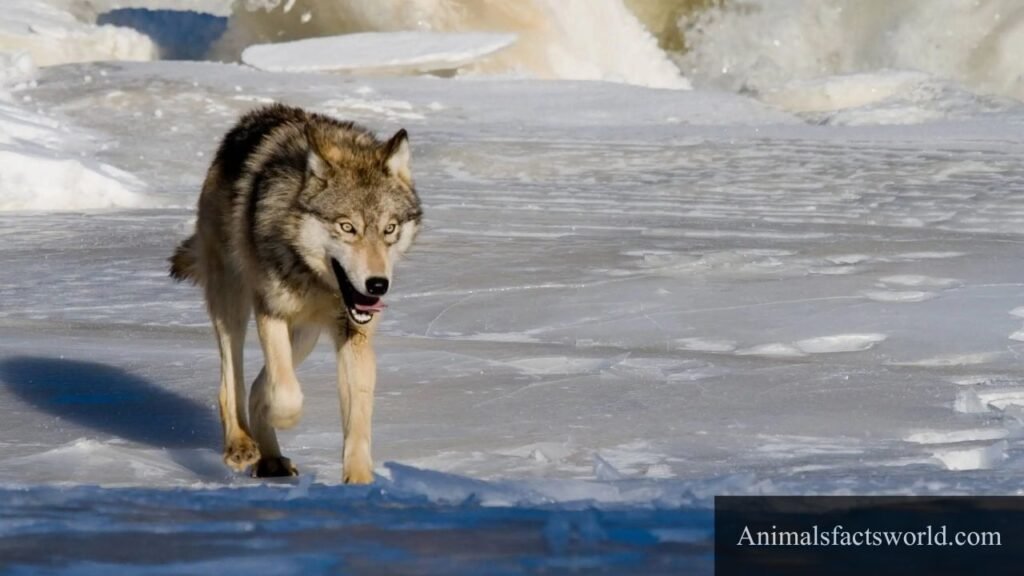
Interestingly, the dynamics of wolf predation extend beyond mere survival; they also play a crucial role in the health of ecosystems. By keeping ungulate populations in check, wolves indirectly support the growth of vegetation and the overall biodiversity of their habitats. This predation can be viewed as a natural form of wildlife management, highlighting a complex balance where the presence of wolves contributes to the resilience of ecosystems. Understanding this relationship reveals the interconnectedness of species and reminds us of the broader implications of wildlife conservation.
Flesh flies
Scientific Name: Sarcophagidae
Class: Insecta
Diet: Carnivore
Flesh flies, particularly those from the Sarcophagidae family, play an unexpected but crucial role in the ecosystem surrounding animal carcasses, including cows. Unlike typical house flies, these fascinating creatures lay their eggs directly on decaying flesh, their larvae developing rapidly in nutrient-rich environments. This swift decomposition process helps recycle nutrients and accelerates the ecological breakdown of dead animals, ensuring that energy flows back into the ecosystem.
Interestingly, the presence of flesh flies can signal a larger web of life. Their ability to attract other scavengers, such as vultures and certain insects, highlights an intricate food chain where each species fulfills a vital role. Flesh flies are known for their rapid reproductive cycles, which can produce multiple generations in a single season, allowing them to respond quickly to available carrion in their habitat. This adaptability not only underscores their evolution but also offers a striking perspective on nature’s efficiency in managing waste. As such, flesh flies serve as both a gruesome reminder of death and a testament to the delicate balance of life’s interconnectedness.
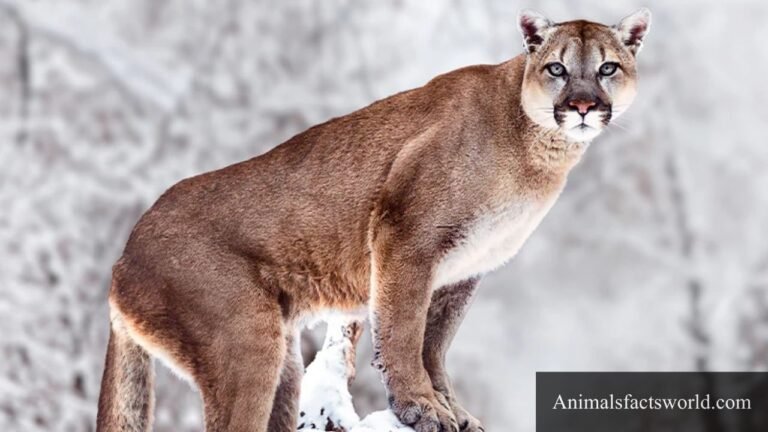
Mountain lions
Scientific Name: Puma concolor
Class: Mammalia
Diet: Carnivore
Mountain lions, often known as cougars or pumas, are apex predators that occasionally take on the challenge of hunting larger prey, including cows. Their nimble bodies and powerful muscles allow them to execute stealthy ambush tactics, relying on their exceptional agility and strength. While one might imagine that such a large animal would be an easy target for a herd of cattle, mountain lions typically choose the vulnerable — young, injured, or isolated individuals — demonstrating a remarkable ability to assess risk and opportunity.
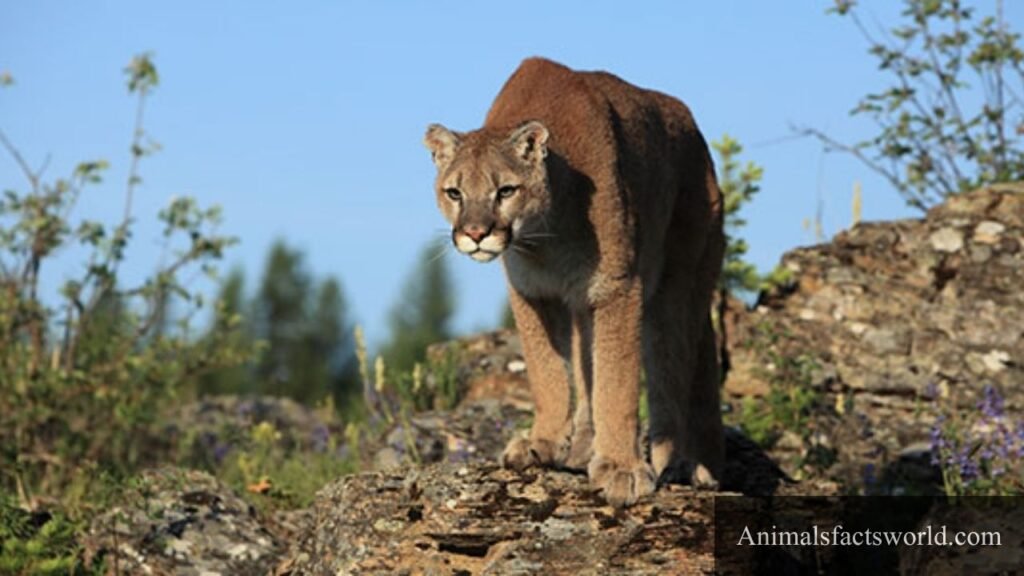
Interestingly, the interactions between mountain lions and cattle can reveal deeper ecological dynamics. When mountain lions prey on livestock, it often reflects shifts in their natural habitats and prey availability. As urban development encroaches on their territory, these elusive felines adapt by seeking sustenance in agricultural areas. This behavior underscores not only their adaptability but also the complex interplay between wildlife conservation and farming practices. Understanding this relationship is crucial; it fosters a dialogue about coexistence, highlighting the need for effective management strategies that benefit both farmers and these majestic predators.
Readmore: Explore Top 11 Animals That Eat Bones.
Dogs
Scientific Name: Canis lupus familiaris
Class: Mammalia
Diet: Omnivore
Dogs can surprisingly exhibit predatory behaviors that may focus on livestock such as cows, particularly in feral or wild settings. Historically, certain breeds, like the Belgian Malinois and Australian Cattle Dog, were developed for herding and managing cattle, showcasing their innate drive to chase and capture. When in a pack, domestic dogs can tap into their primal instincts, sometimes leading to dangerous confrontations with livestock.
Recent studies illustrate that under specific circumstances — such as food scarcity or territorial disputes — these beloved companions can become feral and exhibit behaviors akin to their wild ancestors. The alarming rise of dog attacks on cattle in various regions has prompted ranchers to re-evaluate security measures and promote responsible pet ownership. Understanding this behavior not only preserves the safety of livestock but also reinforces the complex relationship between humans and dogs, reminding us that beneath their domestication lies a wild instinct waiting to surface.
Foxes
Scientific Name: Vulpes vulpes
Class: Mammalia
Diet: Omnivore
Foxes have shown a remarkable adaptability in their diet, occasionally preying on young or vulnerable calves, especially when food sources are scarce. This behavior isn’t just a result of desperation; it highlights the cunning nature of these canids. Foxes are opportunistic hunters, using stealth and agility to ambush their prey. In certain regions, they’ve been observed working in pairs to distract and exploit the weaknesses of larger animals, demonstrating an intelligence that challenges the perception of foxes as mere scavengers.

Notably, foxes tend to target newborn calves, which can often be separate from their mothers and more defenseless. This predation can have significant implications for cattle farmers, who may overlook the impact of small predators in their livestock management strategies. By recognizing the nuanced role that foxes play in the ecosystem, we can gain a deeper appreciation for these creatures — beyond their reputation as vermin. Ultimately, understanding this aspect of fox behavior enriches our perspective on wildlife interactions and supports more informed wildlife conservation efforts.
Maggots
Scientific Name: Diptera larvae
Class: Insecta
Diet: Carnivore
Maggots, the larval stage of various fly species, play a surprisingly vital role in ecosystems, especially when it comes to the decomposition of large animals like cows. When a cow dies, it doesn’t take long for these wriggly scavengers to arrive on the scene. They don’t exactly “eat” the cow in the manner one might think; instead, they facilitate the breakdown of organic material. By consuming decaying flesh, maggots accelerate the recycling of nutrients back into the soil, making them essential players in the food chain.
What’s particularly intriguing is how maggots thrive in environments that many other species might avoid due to decay and potential pathogens. Their ability to process rotting matter makes them indispensable for maintaining ecological balance. In fact, researchers have even explored using maggots in forensic science to estimate time of death, showcasing their unique relationship with carrion. As nature’s recyclers, maggots not only consume but transform, illustrating an often-overlooked aspect of the life cycle that underscores the interconnectedness of all living beings.
Jackals
Scientific Name: Canis aureus
Class: Mammalia
Diet: Omnivore
Jackals demonstrate remarkable adaptability in their dietary habits, occasionally including cows in their menu, particularly when scavenging opportunities arise. With their keen intelligence and social structures, jackals can coordinate in packs to tackle larger prey or scavenge from other predators’ kills. This opportunistic feeding behavior allows them to thrive in a variety of environments, from savannas to deserts, where the availability of food can fluctuate dramatically.
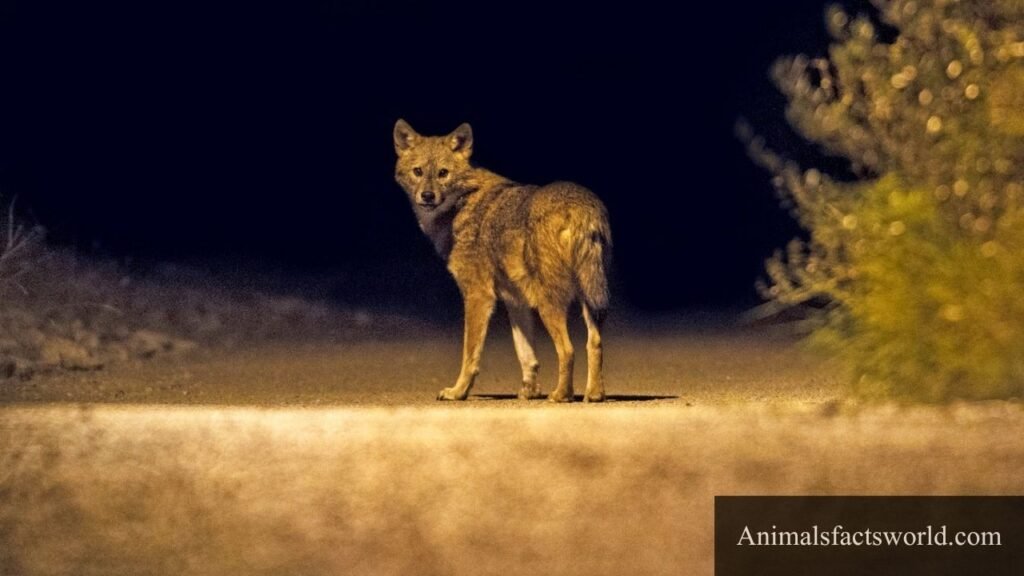
Interestingly, their ability to consume cattle often links back to environmental stressors. In drought-stricken regions, with reduced water and food resources, jackal populations can be driven to encroach on livestock farms as they search for sustenance. This unique interaction reveals a lesser-known aspect of the predator-prey dynamic, where jackals can act as both scavengers and opportunistic hunters, impacting local agriculture and prompting farmers to develop innovative strategies for livestock protection. The adaptability of these cunning canids underscores the intricate balance of ecosystems, showcasing how one species’ survival tactics can ripple through human agricultural practices and natural habitats alike.
Bears
Scientific Name: Ursidae
Class: Mammalia
Diet: Omnivore
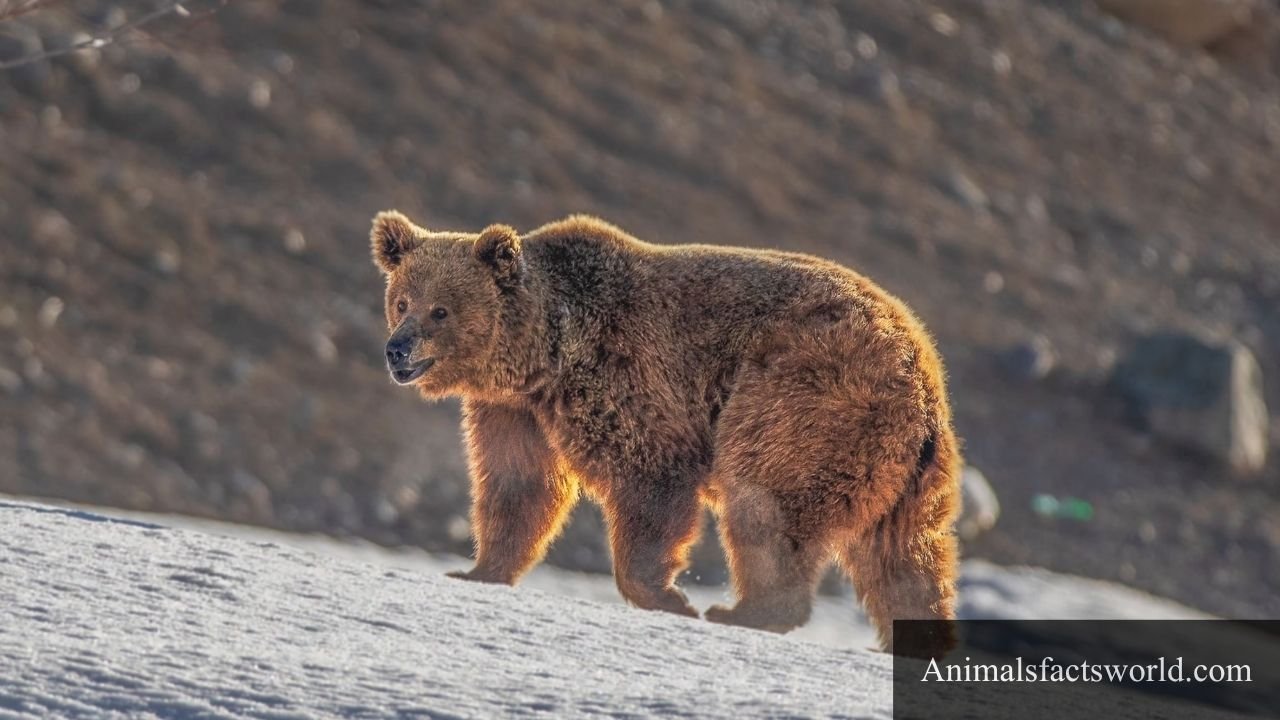
Bears, often perceived as powerful omnivores, can pose a surprising threat to livestock, including cattle. While they primarily feast on berries, fish, and small mammals, their opportunistic feeding habits mean that they won’t shy away from the chance to hunt a young or weakened cow, especially in areas where natural food sources are scarce. Bears can utilize their incredible strength and sharp claws to inflict serious harm, making them a rare but notable predator of livestock.
Moreover, the rise in bear populations in certain regions has intensified the conflict between wildlife and farming interests. As natural habitats continue to shrink, these sprawling bears venture closer to agricultural areas in search of food. This behavior not only challenges farmers but also raises intriguing questions about the balance between conservation efforts and livestock protection. Understanding the dynamics of this predator-prey relationship could inspire innovative solutions that benefit both wildlife and agricultural communities, such as implementing better fencing or encouraging sustainable land management practices.
Coyotes
Scientific Name: Canis latrans
Class: Mammalia
Diet: Omnivore
Coyotes, often portrayed as cunning scavengers, play a surprisingly complex role in the ecosystem, particularly when it comes to cattle. While they primarily feast on smaller prey like rodents and rabbits, these adaptable canines don’t shy away from larger targets when the opportunity arises. In times of duress, such as drought or food shortages, a coyote might target vulnerable calves, exploiting the weakness of animals that are already stressed or isolated from the herd. This behavior showcases their extraordinary adaptability and resilience, traits that have allowed them to thrive in both wild and urban environments.
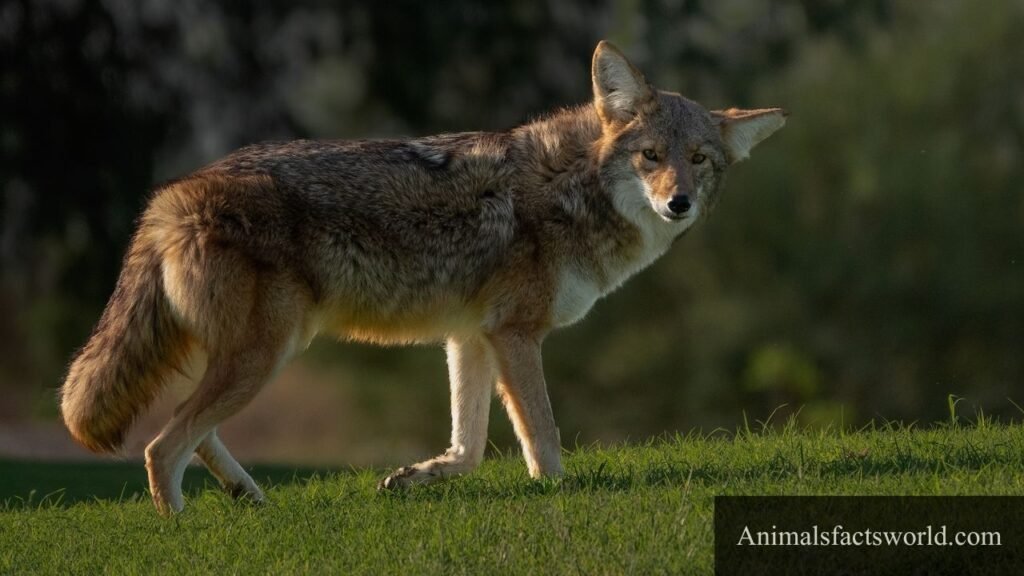
Interestingly, the presence of coyotes can have indirect benefits for livestock farmers. By controlling populations of smaller predators and herbivores, they help maintain a balance in the ecosystem, ultimately supporting healthier grazing conditions for cattle. Moreover, understanding coyote behavior can lead to more effective livestock management strategies. Rather than viewing them solely as threats, farmers can design protective measures — like guard animals or fencing — that respect the ecological role of coyotes while safeguarding their cattle. As we delve deeper into the intricate dance between species, it becomes clear that the relationship between coyotes and cows is far more nuanced than mere predator-prey dynamics.
Beetles
Scientific Name: Coleoptera
Class: Insecta
Diet: Omnivore
In the intricate web of ecosystems, beetles play an often-overlooked role as decomposers, and some species have a rather surprising diet that includes cow remains. These remarkable insects are nature’s clean-up crew, consuming carrion and contributing to nutrient cycling. While the idea of beetles feeding on a deceased cow may seem macabre, this process is vital for maintaining ecological balance. By breaking down animal matter, they facilitate the return of vital nutrients to the soil, promoting healthy vegetation, which in turn supports a variety of life.
Beetles, such as the renowned dung beetle, are adept at not just consuming organic matter but also shaping it. When they burrow into the soil, they aerate it, enhancing drainage and nutrient uptake for plants. This not only benefits the local flora but indirectly supports larger animals, including those that graze, creating a cycle of life that illustrates the interconnectedness of species. While they may be small, their impact on the environment is monumental, providing a fresh perspective on the important roles that even the tiniest creatures play in ecosystems.
Vultures
Scientific Name: Cathartidae
Class: Aves
Diet: Carnivore
Vultures might initially evoke images of decay, slowly feasting on the remains of deceased animals, but they play a crucial role in the ecosystem, particularly when it comes to larger prey like cows. As scavengers, vultures are nature’s clean-up crew, efficiently removing carcasses from the environment, which prevents the spread of disease. Their peculiar adaptations — such as highly acidic stomachs and bald heads — allow them to consume decaying flesh with extraordinary resilience, rendering them immune to the pathogens lurking within.
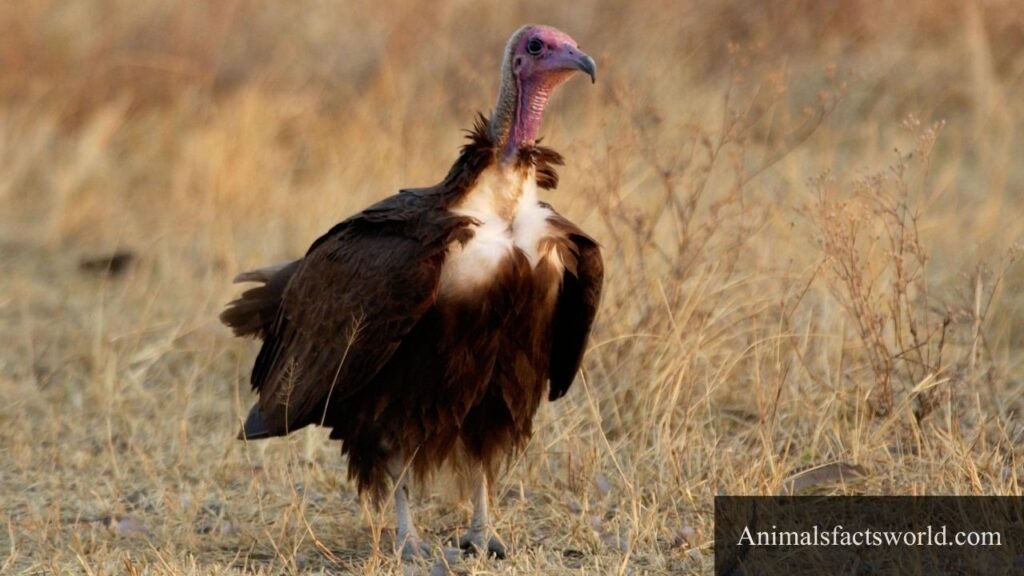
Interestingly, vultures often work in communal settings, using aerial scouting to locate carcasses. Their role extends beyond mere scavenging; they help maintain the balance within ecosystems. By efficiently consuming the remains of large animals, they facilitate nutrient cycling, which in turn supports the health of the entire habitat. In regions where vulture populations are dwindling, there have been alarming consequences, including a rise in livestock diseases and increased numbers of feral dogs preying on livestock, illustrating just how interconnected these species are in the grand tapestry of life.
Hyenas
Scientific Name: Hyaenidae
Class: Mammalia
Diet: Carnivore
Hyenas are often misunderstood as mere scavengers, but their role in the ecosystem is far more complex — and sometimes, more sinister. While they primarily feast on carrion, they are adept hunters and can tackle sizeable prey, including young or sickly cows. Utilizing their impressive stamina and teamwork, hyenas can wear down even the most formidable livestock, exploiting moments of vulnerability in herds, which makes them potent predators in their own right.
Interestingly, hyenas possess exceptionally powerful jaws capable of crushing bone, allowing them to extract nutrients that many other predators can’t. This adaptation gives them a unique advantage in the wild, enabling them to thrive in regions where other large carnivores may struggle. In some African ecosystems, this ability to consume every part of a carcass, including bones, plays a crucial role in nutrient cycling, ensuring vital resources are returned to the soil. Thus, while they may consume livestock like cows, hyenas are an essential part of maintaining ecological balance, demonstrating that their presence in the food chain brings more than just a predatory threat.
Crocodiles
Scientific Name: Crocodylidae
Class: Reptilia
Diet: Carnivore
Crocodiles, often perceived as riverside dwellers lurking for smaller prey, add a surprising twist to the ecosystem by occasionally targeting larger animals, including cows. In areas where habitats intersect — like wetlands or riverbanks — these formidable reptiles may lay in wait for unsuspecting livestock venturing too close to the water’s edge. This behavior highlights their adaptability and opportunistic feeding strategies, allowing them to exploit various food sources beyond their typical diet.
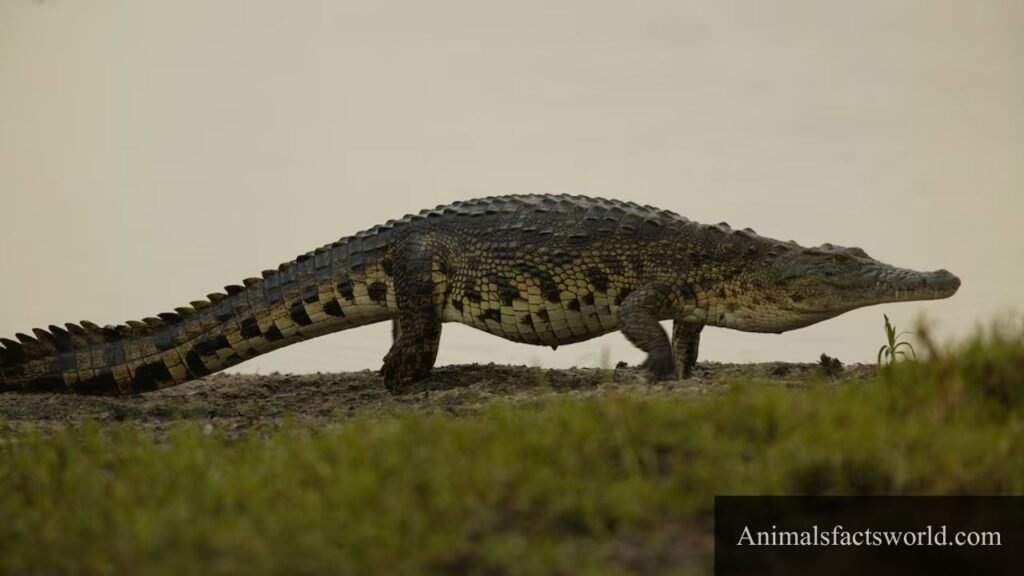
What might seem like an anomaly is rooted in the crocodile’s evolutionary prowess. These apex predators utilize ambush tactics, leveraging their powerful jaws and stealth to subdue larger prey. Surprisingly, cow carcasses not only provide nourishment but also serve as a platform for social interactions among crocodiles, particularly during breeding seasons when competition is fierce. This predation reflects a broader ecological balance, showcasing how even the mightiest land animals can fall victim to the ancient instincts of a creature that has thrived in Earth’s waterways for millions of years. In a world where predator and prey continuously adapt, the crocodile’s unique dietary choices remind us that survival often means venturing beyond familiar boundaries.
Readmore: Explore Top 13 Animals That Eat Deer.
Final Thoughts
The relationship between animals that consume cows and the broader environment highlights the intricate web of life on our planet. These predators are essential not just for regulating grazing animals but also for preventing overpopulation and its associated issues. By recognizing their role, we enhance our understanding of ecological dynamics and the importance of every life form. Protecting these carnivores is crucial for maintaining balance and promoting biodiversity. Let’s advocate for awareness and conservation strategies that ensure these essential animals thrive alongside their prey.
FAQs
What eats cows?
Cows are primarily herbivores, but they can fall prey to a few predators. In the wild, young or weak cows may be targeted by large carnivores like wolves, mountain lions, or bears. In some regions, farmers may also deal with issues from domestic dogs, which can sometimes attack livestock.