Top 15 Animals That Eat Algae (Pictures Included)
Surprisingly, many animals depend on algae as their primary food source, making them essential to the balance of aquatic life. In this article, we’ll explore the diverse array of animals that eat algae and how their grazing habits impact the ecosystem at large. Get ready to uncover the hidden relationships that sustain our waters and learn why these creatures matter more than you think.
List of Animals That Eat Algae
Below is the list of animals that eat algae:
- Amano Shrimp
- Nerite Snail
- Sea Urchin
- Sea Hare
- Emerald Crab
- Limpets
- Krill
- Sally Lightfoot Crab
- Marine Iguana
- Lesser Flamingo
- Tadpoles
- Siamese Algae Eater
- Bristlenose Pleco
- Sailfin Tang
- Otocinclus Catfish
Amano Shrimp
Scientific Name: Caridina multidentata
Class: Malacostraca
Diet: Omnivore
Amano shrimp, scientifically known as Caridina multidentata, are not just effective little cleaners in your aquarium; they are remarkable contributors to algae management. Originating from the streams of Japan, these shrimp have an appetite for various algae types, including the notoriously stubborn green beard algae. Their meticulous grazing behavior not only helps maintain a tidy tank environment but also promotes healthier water quality by preventing algae blooms that can suffocate aquatic plant life.
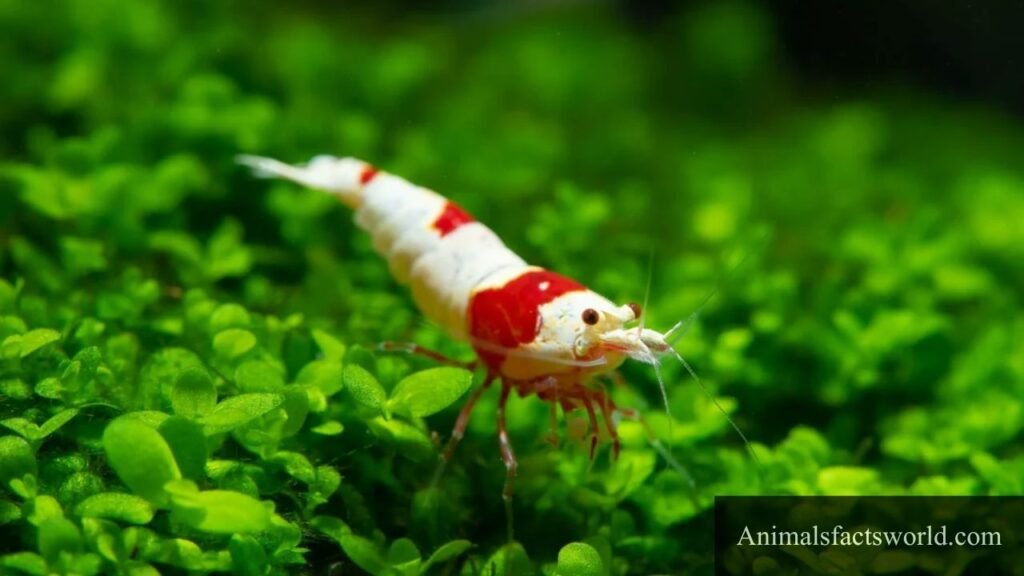
What sets Amano shrimp apart is their unique role in aquascaping ecosystems. By consuming algae, they encourage a balanced biotope where plants can thrive unimpeded. This symbiotic relationship between shrimp and aquatic flora creates a visually appealing harmony in tanks, leading hobbyists to cleverly design environments integrating these scrubby allies. Moreover, their gentle nature ensures that they coexist peacefully with a variety of fish and invertebrates, making them a favorite among aquarists aiming for biodiversity. As they clean, these shrimp also contribute to the natural aesthetics of the aquarium, showcasing their delicate movements and vibrant, translucent bodies, creating a captivating scene that delights observers and reinforces the beauty of a sustainable ecosystem.
Nerite Snail
Scientific Name: Neritidae
Class: Gastropoda
Diet: Herbivore
The Nerite snail, with its strikingly patterned shell, is not just a pretty face in the aquatic world; it’s a relentless algae grazer. Found in both freshwater and marine environments, these little marvels possess an impressive appetite for algae, making them natural custodians of their ecosystems. Their unique feeding mechanism allows them to scrape algae off surfaces with remarkable efficiency, keeping their habitats clean while promoting healthier water conditions.
What sets Nerite snails apart is their ability to thrive in various tank conditions, from freshwater aquariums to brackish environments. Their adaptability makes them a favorite among aquarists, and their algae-grazing habits contribute to the overall balance of the aquatic ecosystem. Interestingly, unlike many other algae-eating species, Nerite snails do not reproduce in freshwater, which prevents overpopulation and helps maintain a stable environment for both the snails and their tank mates.
Sea Urchin
Scientific Name: Echinoidea
Class: Echinoidea
Diet: Omnivore
Sea urchins, with their spiny exteriors and vibrant hues, might seem like simple ocean dwellers, but they play a crucial role in marine ecosystems, particularly through their dietary habits. These intriguing creatures are herbivores, primarily grazing on algae, which they consume with their unique feeding mechanism known as Aristotle’s lantern. This structure, a complex arrangement of jaws and teeth, allows them to scrape and graze on the algae that proliferate on rocky surfaces, thus maintaining the balance of marine vegetation.
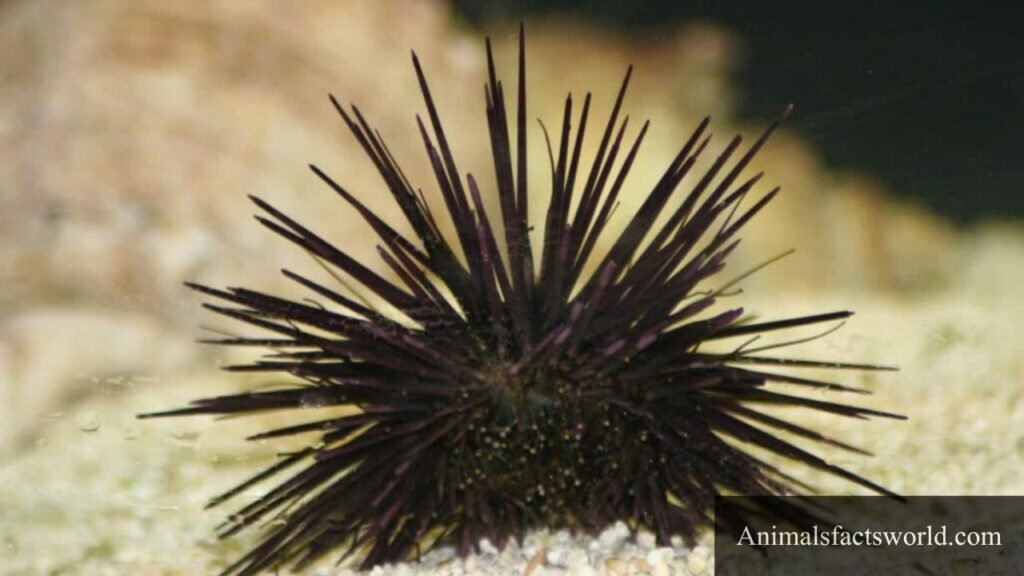
Beyond just their role as grazers, sea urchins serve as a barometer for the health of their environments. In areas where predators like sea otters are diminished, unchecked sea urchin populations can lead to drastic declines in kelp forests, showcasing their influence on biodiversity. Interestingly, research even suggests that some species of sea urchins have developed selective feeding habits, preferring certain types of algae over others, which could indicate their adaptability to changing environmental conditions. This duality of providing sustenance while potentially disrupting ecosystems positions the sea urchin as a fascinating subject for ongoing marine research and conservation efforts.
Readmore: Explore Top 11 Animals That Eat Bones.
Sea Hare
Scientific Name: Aplysiida
Class: Gastropoda
Diet: Herbivore
The sea hare, a fascinating marine mollusk, is an unsung hero in the underwater world where it plays a crucial role in maintaining ecosystem balance. These soft-bodied creatures, belonging to the order Opisthobranchia, feast primarily on various types of algae, including green algae and red algae. As they graze, they help regulate algal growth, preventing excess that could lead to harmful algal blooms. Their munching not only contributes to a cleaner environment but also allows other marine organisms to thrive by maintaining biodiversity.
A striking feature of the sea hare is its incredible ability to camouflage. This not only aids in evading predators but also enriches the environment by blending seamlessly with the vibrant algae they consume. When threatened, sea hares can release a purple ink — a defense mechanism derived from the algal pigments in their diet. This ink serves as both a distraction and a potential deterrent, encapsulating the delicate balance between predator and prey within their habitat. By understanding the sea hare’s unique role and adaptations, we can appreciate the intricate web of life in our oceans and the importance of every organism within it.
Emerald Crab
Scientific Name: Mithraculus sculptus
Class: Malacostraca
Diet: Omnivore
The emerald crab, a fascinating inhabitant of coral reefs, plays a crucial role in maintaining the balance of its underwater ecosystem by feasting on algae. With its vibrant green hue, this small crustacean not only serves as a feast for some predators but also offers a visual delight for those who encounter it. Their insatiable appetite for algae helps prevent harmful blooms that can suffocate delicate corals, showcasing the emerald crab as an unsung hero in marine conservation.
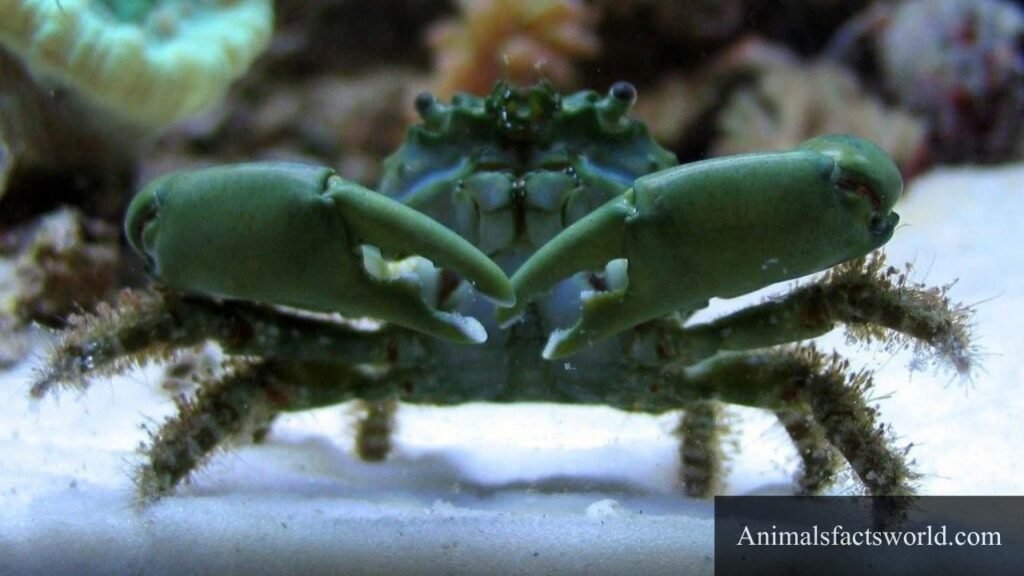
What’s particularly intriguing about the emerald crab is its unique relationship with its habitat. As they munch away at algae, they inadvertently clear space for baby corals to settle and grow, ultimately contributing to the overall health of the reef. Their behavior also underlines the importance of biodiversity; in environments where emerald crabs thrive, the entire ecosystem flourishes. Observing these crabs in action can be a reminder of how interconnected life is beneath the waves, encouraging us to protect their vibrant homes from pollution and overfishing.
Limpets
Scientific Name: Patellogastropoda
Class: Gastropoda
Diet: Herbivore
Limpets, often overlooked in the vast tapestry of marine life, are fascinating creatures with a unique relationship to algae. These little mollusks, with their conical shells, cling tightly to rocky substrates, using their powerful radula to scrape algae from surfaces. Their feeding mechanics are not just a matter of sustenance; they play a vital role in maintaining the health of intertidal ecosystems. By controlling algal growth, limpets prevent overgrowths that could suffocate other marine organisms, promoting biodiversity.
Moreover, limpets exhibit remarkable adaptations to their environments. Many species can withstand extreme conditions, such as drastic temperature fluctuations and wave action. Some even possess specialized mucus that allows them to adhere to surfaces more securely, ensuring they don’t get swept away during storms. Understanding limpets and their algae-eating habits reveals a complex narrative of survival and balance in marine habitats, highlighting how even the smallest organisms can have significant ecological impacts.
Krill
Scientific Name: Euphausiacea
Class: Malacostraca
Diet: Herbivore
Krill, small crustaceans thriving in the world’s oceans, play a pivotal role in the marine ecosystem by feeding on algae and phytoplankton. These tiny creatures, often no longer than a few centimeters, are the backbone of many food webs. Their prodigious consumption of algae helps regulate the levels of phytoplankton in the ocean, thus maintaining a delicate ecological balance. Interestingly, krill possess a unique ability to filter-feed, allowing them to efficiently harvest vast amounts of microscopic algae, making them vital for nutrient cycling in marine environments.
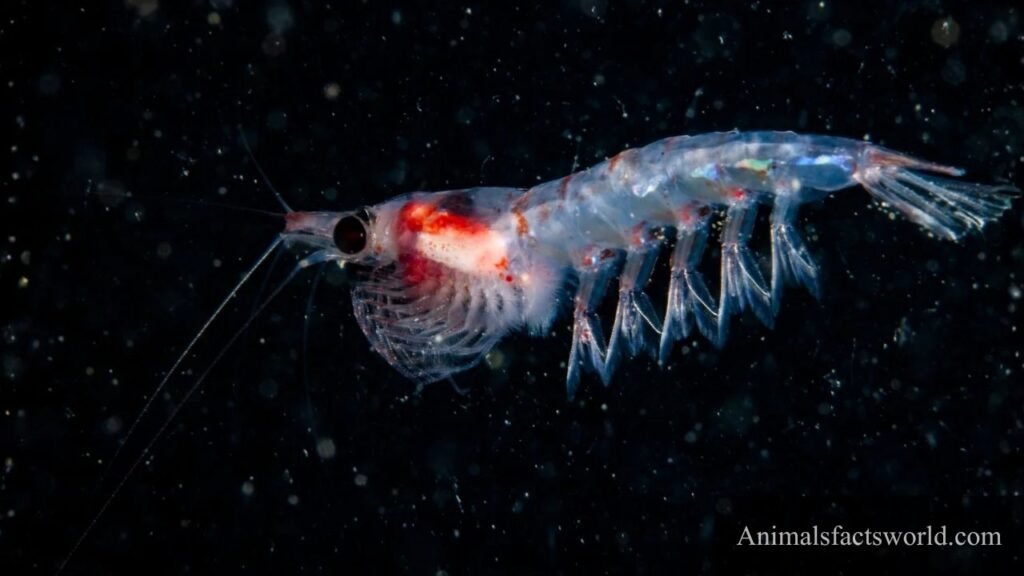
Beyond their ecological importance, krill also have fascinating adaptations that enable them to thrive in often harsh conditions. Their bioluminescent properties not only aid in communication within their swarms but also act as a defense mechanism against predators. This glowing ability challenges our understanding of survival strategies in the oceanic depths, revealing a world where even the smallest players can possess remarkable traits. As climate change alters ocean temperatures and algae distributions, krill’s adaptability will be crucial for sustaining many species that rely on them, from majestic whales to sea birds. The interconnectedness of these tiny creatures with larger marine life underscores the importance of protecting fragile ocean ecosystems to ensure the survival of not just krill, but the entire web of life.
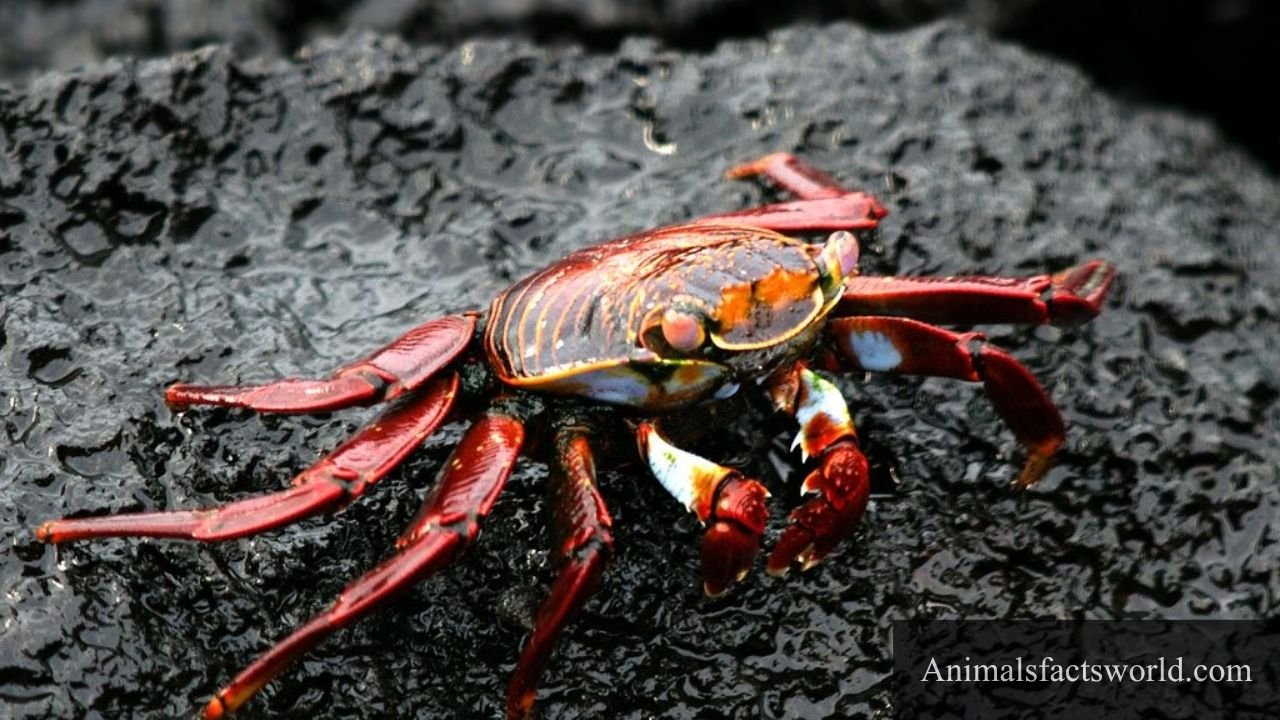
Sally Lightfoot Crab
Scientific Name: Grapsus grapsus
Class: Malacostraca
Diet: Omnivore
The Sally Lightfoot Crab, a vibrant creature often seen scampering along rocky shorelines, has a surprisingly sophisticated diet that goes well beyond mere scavenging. These crabs primarily feast on algae, making them integral players in their marine ecosystems. By grazing on algae-covered surfaces, they help maintain the delicate balance of coastal habitats, preventing algal overgrowth that could lead to reduced oxygen levels and harm other organisms. This dietary choice not only highlights their role as eco-grazers but also underscores a fascinating adaptation to their environment, where competition for food can be fierce.
Moreover, the vibrant coloring of the Sally Lightfoot Crab serves as more than just a striking visual; it’s a clever evolutionary advantage. The bold hues allow them to expertly blend with brightly colored algae and rocky substrates, providing camouflage from predators. However, during mating seasons, this coloration also plays a role in attracting potential mates. Through their unique feeding habits and striking appearance, the Sally Lightfoot Crab embodies the intricate relationships within marine ecosystems, illustrating how one small creature can significantly influence its environment while still engaging in a colorful courtship dance.
Marine Iguana
Scientific Name: Amblyrhynchus cristatus
Class: Reptilia
Diet: Herbivore
The marine iguana, a unique reptile found exclusively in the Galápagos Islands, has mastered the art of underwater foraging. Unlike its terrestrial relatives, these iguanas have adapted to a semi-aquatic life, diving up to 30 feet beneath the surface to feast on an array of algae. This diet not only shapes their behavior but also serves as a critical ecological function, helping to control algal growth on rocks and reefs, thereby maintaining the health of their marine environment.
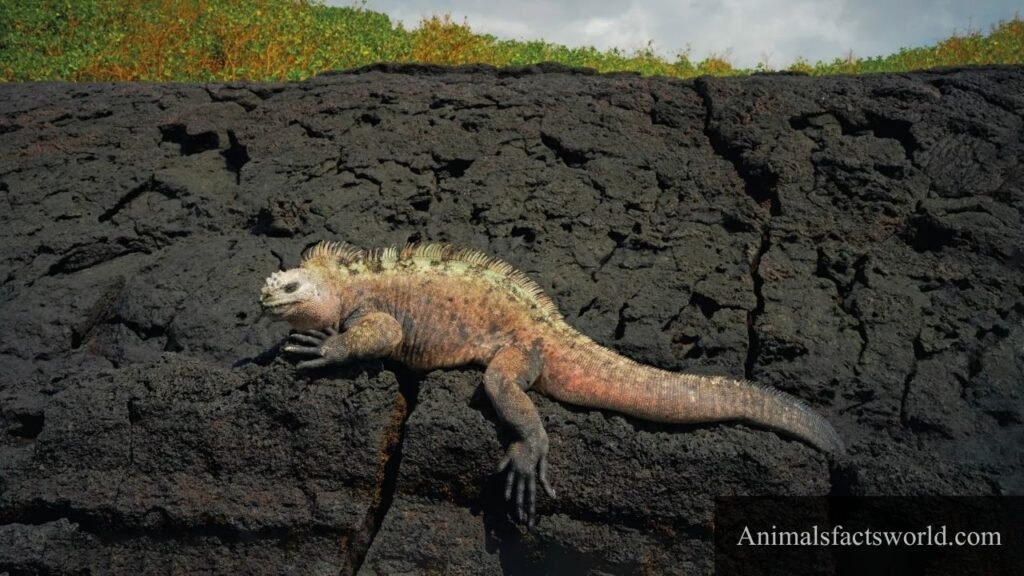
What’s truly fascinating is how these reptiles have evolved specialized physiological traits to aid in their aquatic endeavors. Their flattened tails work like rudders, propelling them through water with surprising agility. Moreover, marine iguanas possess a unique ability to tolerate high levels of salt, which they expel through specialized nasal glands. This remarkable adaptation allows them to thrive in an environment where food is abundant, yet conditions can be harsh — truly a testament to nature’s ingenuity and resilience. Engaging with the underwater world in this way reflects not just survival, but an intricate dance with the ecosystem they inhabit, showcasing the delicate balance between species and their environment.
Lesser Flamingo
Scientific Name: Phoeniconaias minor
Class: Aves
Diet: Herbivore
The lesser flamingo, renowned for its vibrant pink plumage, derives much of its stunning coloration from the algae it consumes. Unlike its more commonly recognized counterparts, this avian marvel has a specialized diet that primarily consists of cyanobacteria and various types of algae found in shallow, alkaline lakes. These organisms not only provide essential nutrients but also enrich the flamingo’s feathers, creating a dynamic palette of hues ranging from pale pink to deep crimson.
In the wetlands where lesser flamingos thrive, the cyclic growth of algae is influenced by fluctuating water levels and salinity. This delicate balance allows these birds to exploit abundant food sources, ensuring their survival in often inhospitable environments. Interestingly, the flamingos’ filtering beaks are uniquely adapted to sift through the water and capture these microscopic morsels, demonstrating a fascinating example of evolutionary specialization. As climate change alters ecosystems, understanding the ecological role of lesser flamingos becomes crucial, serving as a reminder of the intricate connections between species and their habitats.
Tadpoles
Scientific Name: Anura
Class: Amphibia
Diet: Herbivore
Tadpoles are fascinating little creatures that play a crucial role in their aquatic ecosystems, particularly through their consumption of algae. As herbivorous larvae of frogs, they thrive on a diet rich in these simple, photosynthetic organisms. This isn’t just a casual snack; tadpoles help regulate algal blooms, ensuring that water bodies maintain a healthy balance. By munching on algae, they contribute significantly to nutrient cycling, turning excess nutrients into energy that fuels their growth and development.
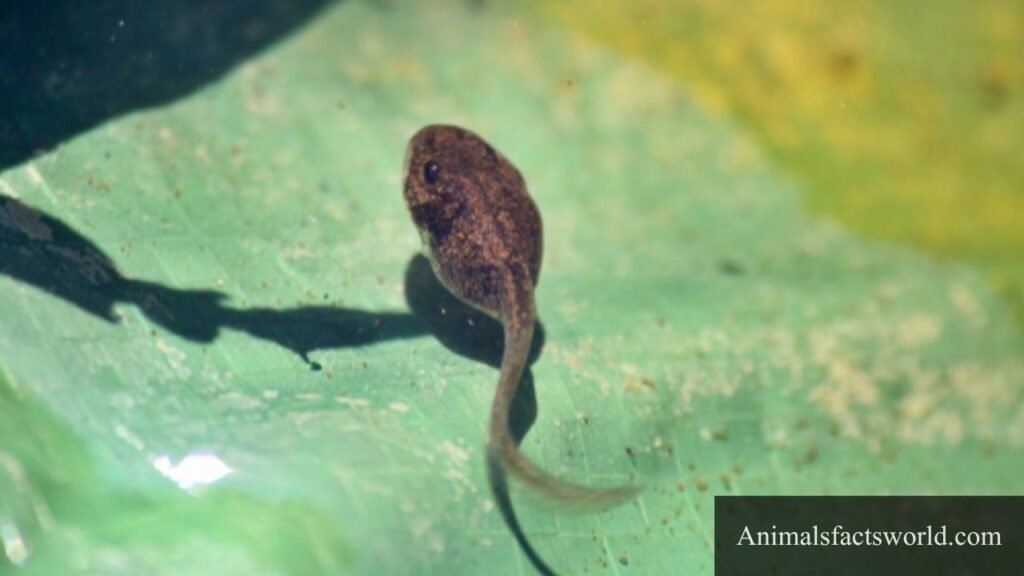
Moreover, the relationship between tadpoles and algae showcases an impressive evolutionary adaptation. As they grow, their diet shifts, often moving toward higher protein sources, but in those early stages, they are crucial recyclers in their habitats. Studies have indicated that the presence of tadpoles can enhance the growth of certain algae, creating a dynamic interplay where both thrive. This symbiotic relationship demonstrates how interconnected life forms are, reminding us that even the simplest creatures have an outsized impact on their environment.
Siamese Algae Eater
Scientific Name: Crossocheilus oblongus
Class: Actinopterygii
Diet: Herbivore
The Siamese Algae Eater, a popular choice for freshwater aquariums, plays a crucial role in maintaining a balanced ecosystem. These fish are not just charming with their sleek bodies and playful nature; they’re also efficient algae grazers, helping to keep tanks clean and vibrant. Scientific studies suggest that their ability to consume various algae types, especially black beard algae, can significantly reduce the need for chemical treatments, promoting a more eco-friendly approach to aquarium care.
Moreover, the Siamese Algae Eater’s social behavior adds a unique dynamic to aquarium settings. They thrive in groups, which encourages natural schooling behavior, making them visually stunning as they dart around together. Observing these fish can be a fascinating experience, as they exhibit playful interactions not just with their own species but also with their tank mates. By integrating these algae eaters into your aquarium, you’re not only enhancing the aesthetic appeal but also contributing to a healthier environment, where algae growth is kept in check naturally.
Bristlenose Pleco
Scientific Name: Ancistrus cirrhosus
Class: Actinopterygii
Diet: Herbivore
The Bristlenose Pleco, a small but fascinating freshwater fish, is a powerhouse in the world of algae management. With its distinctive bristle-like appendages, this species not only captivates aquarium enthusiasts but also serves an essential ecological role. These fish possess a remarkable ability to consume various types of algae, including stubborn varieties that typically plague fish tanks and natural waterways alike. Their diet naturally helps maintain cleaner environments, supporting healthier ecosystems and preventing algae overgrowth that can harm other aquatic life.
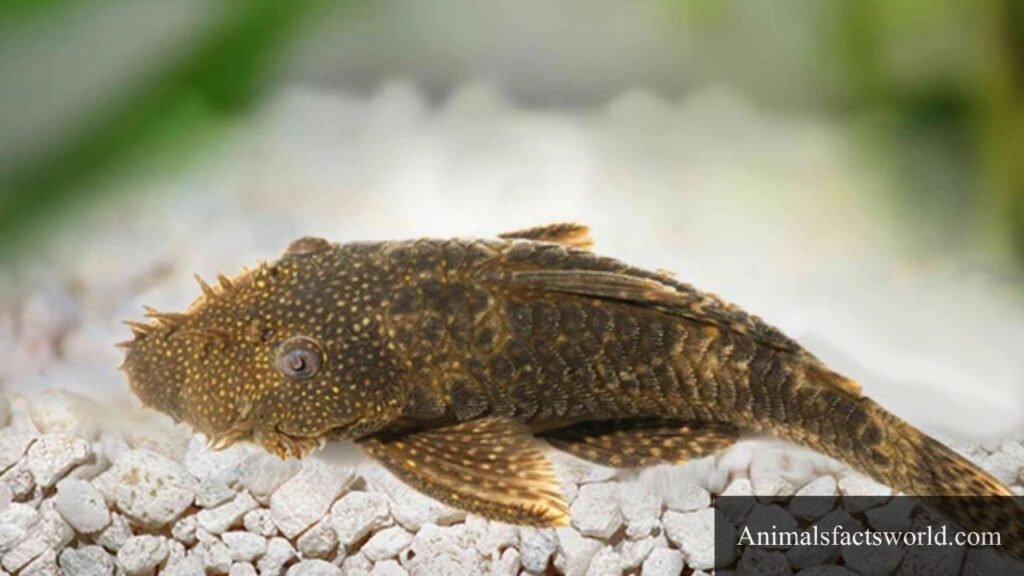
What’s truly impressive about the Bristlenose Pleco is its adaptability. Originating from the rivers of South America, it thrives in a range of water conditions, offering flexibility for both hobbyists and the ecosystems they inhabit. More than just bio-cleaners, these fish display intriguing social behaviors, often grazing alongside other tank inhabitants. Watching them work their way around an aquarium is a testimony to their tireless nature, making them not only functional but also charming companions in aquatic landscapes. Their presence is a reminder of the intricate balance in nature, where even the smallest of creatures can have a monumental impact.
Sailfin Tang
Scientific Name: Zebrasoma veliferum
Class: Actinopterygii
Diet: Herbivore
The Sailfin Tang, with its striking dorsal fin and vibrant coloration, isn’t just a feast for the eyes but also a key player in marine ecosystems. These fish thrive in the warm waters of the Indo-Pacific, where they graze on algae covering coral reefs and rocky substrates. By consuming algae, Sailfin Tangs help control algal blooms that can suffocate corals, thus promoting a healthier, more balanced reef environment. This symbiotic relationship underscores the delicate interdependence within marine ecosystems, illustrating how even small creatures can wield significant influence over larger communities.
Interestingly, the Sailfin Tang’s feeding habits are adaptations honed over millennia. Their specialized teeth are perfect for scraping algae off surfaces, allowing them to thrive in environments where many other fish would struggle. Moreover, they exhibit fascinating social behaviors while feeding, often schooling with others of their kind, which not only helps in avoiding predators but also ensures they have ample access to their food source. Observing these fish in action reveals the dynamic interactions within coral reefs, where life flourishes amidst competition and cooperation. In their quiet yet impactful way, Sailfin Tangs embody the vital role of herbivores in maintaining the health of our oceans.
Otocinclus Catfish
Scientific Name: Macrotocinclus affinis
Class: Actinopterygii
Diet: Herbivore
Otocinclus catfish, affectionately known as “otos,” are miniature aquatic cleaners that play a crucial role in maintaining the health of aquariums. These tiny catfish, averaging just 1-2 inches in length, possess a remarkable ability to feast on algae, making them a favorite among aquarium enthusiasts. Their delicate mouths are perfectly adapted for scraping microalgae and biofilm off surfaces, which not only enhances water quality but also provides a visually appealing, clean environment for other tank inhabitants.
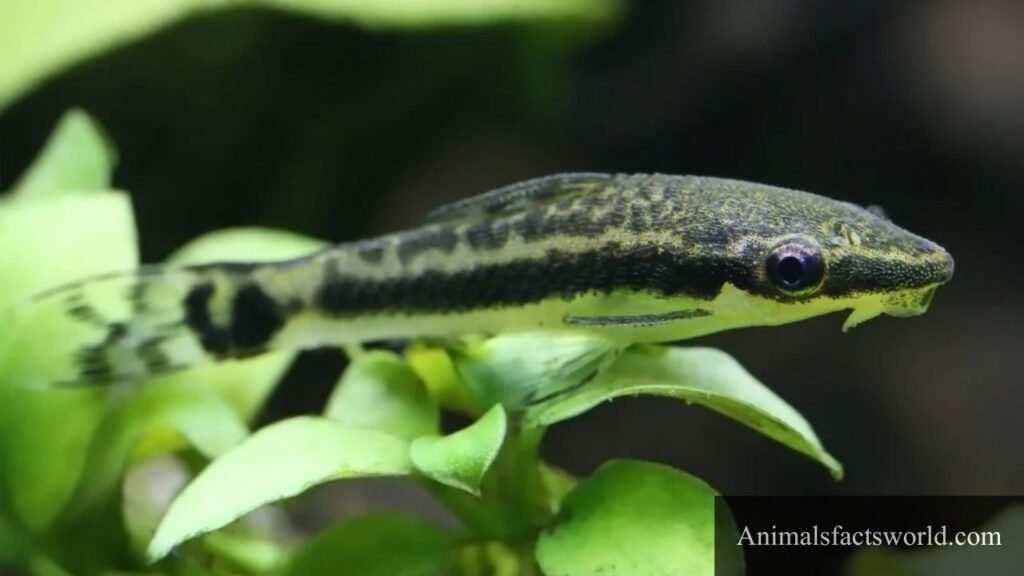
What sets otos apart from other algae eaters is their social nature; they thrive in groups, exhibiting endearing schooling behavior that captivates observers. Aquarists often enjoy watching these little fish glide gracefully over aquarium rocks and plants, showcasing their impeccable algae-grazing skills. However, it’s essential to provide them with a well-planted tank enriched with hiding spaces and plenty of driftwood, as their natural habitat consists of dense vegetation in South American rivers. Beyond their aesthetic charm, otocinclus catfish exhibit fascinating behavioral traits, from their gentle interactions within their groups to their unique cleaning routines, making them not just beneficial, but a joy to observe in any aquatic setting.
Readmore: Explore Top 15 Animals That Eat Worms.
Final Thoughts
The diverse array of animals that eat algae plays a crucial role in maintaining the balance of aquatic ecosystems. From small herbivorous fish to larger mammals like manatees, each species contributes to nutrient cycling and helps control algae growth in their habitats. Understanding these relationships highlights the interconnectedness of food webs and the importance of preserving marine environments. As human activities continue to threaten these vital ecosystems, it becomes increasingly important to advocate for sustainable practices that protect both algae-eating animals and their habitats. Let’s work together to ensure a healthier planet for all living creatures.
FAQs
What animals eat algae?
Many animals consume algae as a primary or supplementary part of their diet. Herbivorous fish, like certain species of tilapia and goldfish, often graze on algae in freshwater environments. In marine ecosystems, species such as parrotfish and some types of snails also feed on algae, playing a crucial role in maintaining the balance of these habitats. Various invertebrates, including sea urchins and certain types of crustaceans, rely on algae as a food source. Even larger animals, like manatees, sometimes munch on algae when available.
What insects eat algae?
Several insects feed on algae, playing a crucial role in maintaining aquatic ecosystems. Common examples include certain species of caddisflies and mayflies. Their larvae often graze on algae found on rocks and submerged surfaces in streams and ponds. In addition, some beetles, such as the freshwater riffle beetle, also consume algae as part of their diet.