Top 15 Animals That Eat Worms (With Images)
In the fascinating world of wildlife, animals that eat worms play a vital role in maintaining ecological balance. Understanding these animals not only highlights their unique feeding habits but also reveals the interconnectedness of our ecosystems. As you delve into this article, you’ll discover the diverse creatures that feast on worms and why the health of these slimy invertebrates is essential for our environment.
List of Animals That Eat Worms
Here is the list of animals that eat worms:
- Moles
- Ducks
- Skunks
- Turtles
- Possums
- Pigeons
- Badgers
- Hedgehogs
- Chickens
- Hawks
- Frogs
- Platypuses
- Armadillos
Moles
Scientific Name: Talpidae
Class: Mammalia
Diet: Carnivore
Moles are fascinating creatures predominantly known for their subterranean lifestyle and notorious digging abilities. As voracious insectivores, they rely heavily on a diet rich in worms, making these slimy invertebrates a staple in their everyday nutrition. The common earthworm, with its abundant presence in moist soil, provides essential proteins and nutrients that moles need to thrive beneath the surface. In a single day, a mole can consume roughly 70 to 100 worms, showcasing their remarkable capacity for processing these critters.
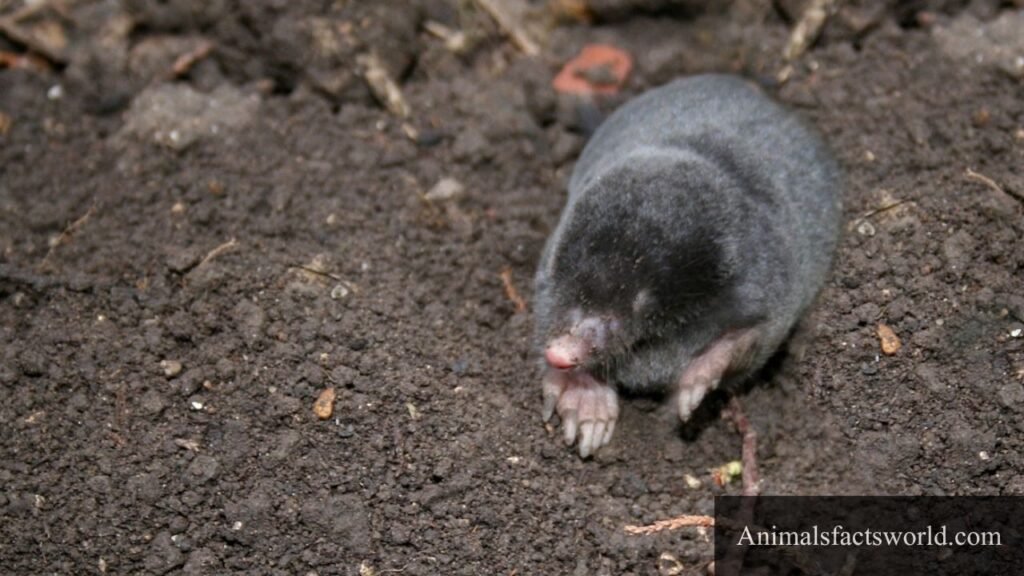
Worms don’t just serve as a food source; they also play a vital role in a mole’s hunting strategy. By tunneling through the earth, moles create an environment that enhances the movement of worms, allowing them easier access during their relentless underground foraging. Their unique adaptations, such as sensitive whiskers and powerful forelimbs, enable moles to detect the slightest vibrations in the ground, guiding them to their wriggly prey. This relationship highlights the interdependence of species in the ecosystem, illustrating how moles contribute to soil aeration and fertility while simultaneously benefiting from a diet rich in what may seem like a humble worm.
Ducks
Scientific Name: Anatidae
Class: Aves
Diet: Omnivore
Ducks are fascinating creatures that play a crucial role in their ecosystems, not only as graceful swimmers but also as efficient foragers. Their diet primarily consists of aquatic plants and small invertebrates, with worms being a significant part of their nutritional intake. These slimy, wriggly critters offer ducks essential proteins and nutrients, aiding in their overall growth and energy levels. When ducks dabble in the mud and shallow waters, they are not just quenching their hunger; they are also contributing to soil aeration and nutrient cycling.
Interestingly, the foraging behavior of ducks also has implications for pest control. By consuming worms and other soil-dwelling organisms, they help maintain a balanced ecosystem, preventing the overpopulation of harmful pests. Furthermore, the presence of ducks in wetland areas can indicate a healthy environment, as they thrive in habitats rich in biodiversity. When we observe these charming waterfowl indulging in their muddy feasts, we are witnessing a vital ecological process that underscores the interconnectedness of species within their habitats.
Skunks
Scientific Name: Mephitidae
Class: Mammalia
Diet: Omnivore
Skunks, often misjudged by their notorious spray, play an essential role in their ecosystems, particularly through their dietary habits. These omnivorous mammals are opportunistic feeders, showcasing a particular fondness for invertebrates, including worms. Consuming earthworms not only fulfills their nutritional requirements but also aids in soil health, making skunks an underappreciated ally in maintaining ecological balance. Their feasting on these wriggly creatures helps aerate the soil, promoting richer agricultural land and diverse plant growth.
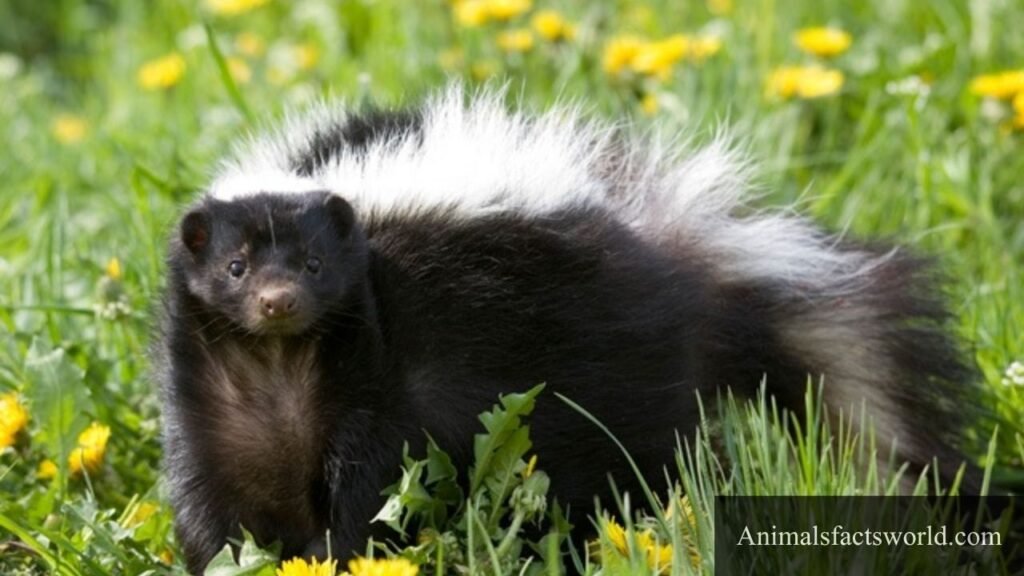
Moreover, the worm-eating behavior of skunks reflects a fascinating adaptability. During warmer months, when insects are plentiful, skunks might prefer crunchy grubs, but their affinity for worms becomes pronounced in colder seasons when other food sources diminish. This dietary flexibility highlights the skunk’s role as a scavenger, ensuring they thrive in various habitats. Observing how these creatures revert to earthworms during leaner times sheds light on the intricate tapestry of food webs, emphasizing the interconnectedness of species within their environment. In essence, skunks remind us that even the most misunderstood animals contribute significantly to the natural world.
Readmore: Explore Top 13 Animals That Eat Deer.
Turtles
Scientific Name: Testudines
Class: Reptilia
Diet: Omnivore
Turtles are fascinating creatures, and their diets often include an unexpected delicacy: worms. These slimy invertebrates not only provide essential nutrients but also serve as a crucial protein source, particularly for species that thrive in diverse habitats. Turtles exhibit a unique foraging behavior, using their sharp beaks to dig through soil or leaf litter, revealing the hidden bounty of earthworms. This approach highlights their adaptability and resourcefulness in seeking out food, showcasing a remarkable evolutionary trait.
The consumption of worms plays a vital role in a turtle’s overall diet, contributing to their health and vitality. In many aquatic turtle species, worms are often combined with other food sources such as aquatic plants and insects, creating a balanced meal that supports growth and reproduction. Notably, the presence of worms in their diet can help improve digestion due to the high protein content and essential fatty acids. Furthermore, as turtles contribute to the cycling of nutrients through their feeding habits, they inadvertently enhance soil health in their ecosystems, promoting a thriving environment for both flora and fauna. This relationship underscores the interconnectedness of species and the essential role turtles play in maintaining ecological balance.
Possums
Scientific Name: Didelphimorphia
Class: Mammalia
Diet: Omnivore
Possums, often seen as cute nocturnal creatures, play a surprisingly vital role in controlling worm populations within their habitats. These agile foragers are opportunistic eaters, and worms constitute a considerable part of their diet, providing essential proteins and nutrients. Consuming earthworms and other soil-dwelling invertebrates not only fuels their energy needs but also aids in maintaining ecological balance. In their quest for food, possums contribute to soil aeration and nutrient cycling, showcasing their dual role as both predator and ecological steward.
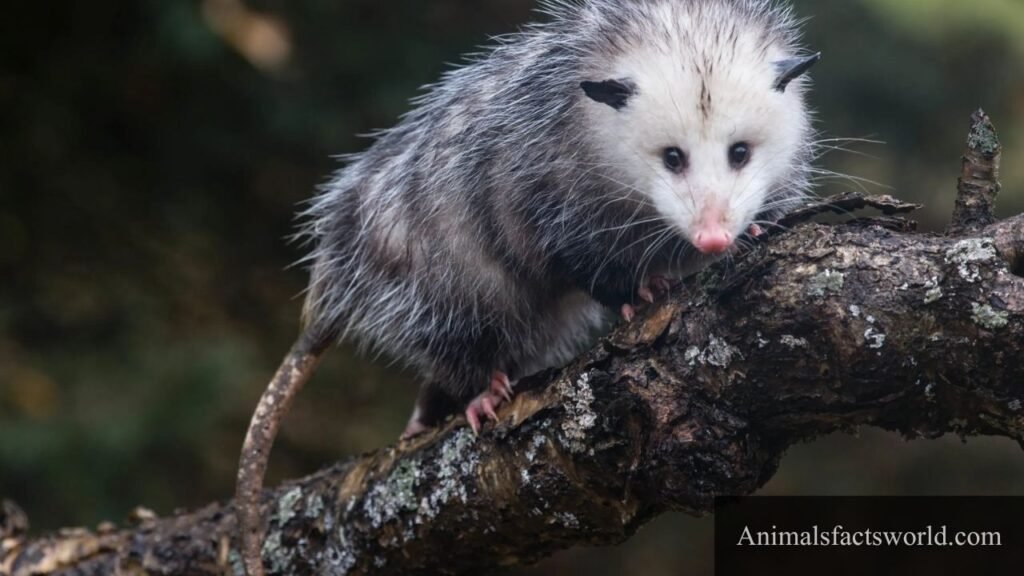
Possums have highly adaptable foraging techniques that enhance their worm-catching efficiency. Equipped with keen senses, they dig through leaf litter and soil to locate these squirmy delicacies. This behavior contributes to their overall diet diversity, enabling them to thrive across various environments, from urban settings to dense forests. As they consume worms, possums inadvertently create a healthier environment for other species, illustrating the interconnectedness of nature. In essence, while they may be underestimated in their significance, possums are integral to the health of their ecosystems, driven by their natural inclination to munch on worms and other invertebrates.
Pigeons
Scientific Name: Columbidae
Class: Aves
Diet: Omnivore
Pigeons, often underestimated in the urban ecosystem, play a surprisingly pivotal role in their environment by consuming worms alongside their more typical diet of seeds and grains. These birds are omnivorous and highly adaptable, which enables them to thrive in varied habitats. Their ability to hunt for worms not only rounds out their nutrition but also helps control the population of these essential soil organisms. The worms provide vital proteins and minerals during breeding seasons when pigeons require energy for nesting and raising their young.
Interestingly, the consumption of worms contributes to a healthy gut microbiome in pigeons, supporting their overall health and longevity. As scavengers, pigeons help aerate the soil and promote plant growth indirectly through their feeding habits, showcasing the interconnectedness of urban wildlife. Moreover, their reliance on worms highlights the importance of maintaining healthy soil and ecosystems in urban settings. As cities expand, understanding the dietary habits of pigeons, including their consumption of worms, can help us appreciate these birds’ role in sustaining our environment.
Badgers
Scientific Name: Meles meles
Class: Mammalia
Diet: Carnivore
Badgers are fascinating creatures that play a vital role in their ecosystems, particularly through their diet, which prominently includes worms. These nocturnal foragers rely heavily on earthworms, especially in the spring and summer months when the soil is moist and the worms are most active. Their strong forelimbs and sharp claws are perfectly adapted for digging, allowing them to unearth these nutritious treasures with remarkable efficiency. Consuming worms not only provides badgers with essential proteins and nutrients but also helps regulate soil health by aerating the ground as they forage.
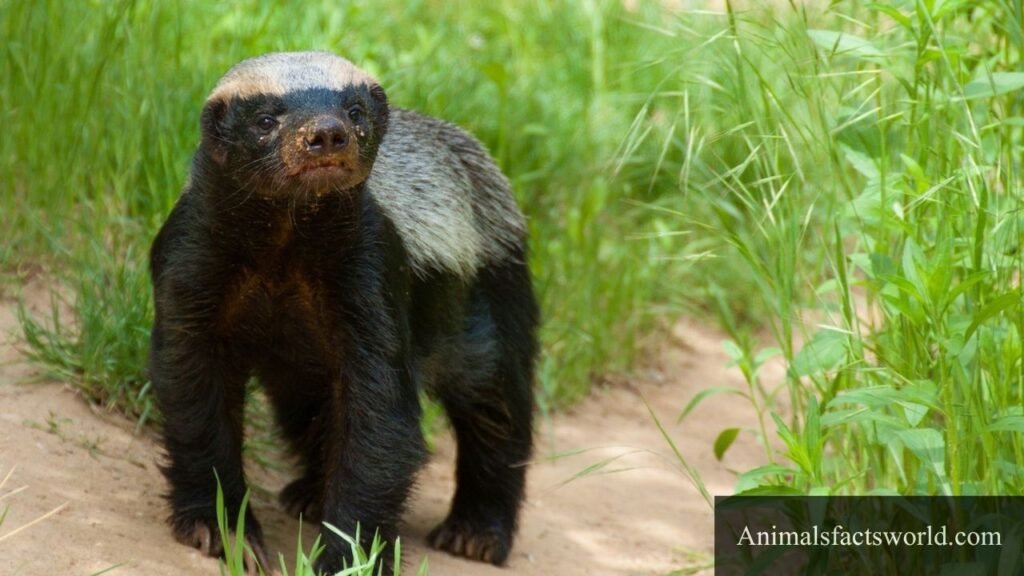
Beyond their immediate dietary benefits, badgers’ penchant for worm consumption has broader ecological implications. As they consume large quantities of worms, they influence the population dynamics of these invertebrates, helping to maintain balance within their habitats. Their foraging habits contribute to soil turnover, which encourages the growth of vegetation and supports a diverse range of wildlife. In this way, badgers emerge as unsung heroes of the ecosystem, showcasing the intricate interconnectedness of predator and prey, and reminding us of the vital roles every animal plays in nature’s tapestry.
Hedgehogs
Scientific Name: Erinaceinae
Class: Mammalia
Diet: Omnivore
Hedgehogs are fascinating little creatures with a diet that primarily consists of invertebrates, and worms hold a special place in their culinary preferences. These nocturnal foragers, equipped with a keen sense of smell, navigate through gardens and woodlands, uncovering a treasure trove of earthworms beneath the soil. Their unique ability to curl into a ball provides protection while they feast on these protein-rich delicacies, making worms a crucial component of their diet, especially during the warmer months when these critters are abundant.
The consumption of worms plays an essential role in the hedgehog’s health and wellbeing. Eating these nutrient-dense invertebrates helps hedgehogs maintain vital bodily functions and supports their energy needs, especially during the breeding season when they require extra sustenance. Furthermore, the presence of earthworms in their diet contributes to their ecological role by promoting soil health. As hedgehogs consume worms, they aid in controlling populations, fostering a balanced ecosystem where both plants and other wildlife can thrive. This connection emphasizes the importance of hedgehogs not just as charming garden visitors, but as pivotal players in maintaining environmental balance.
Chickens
Scientific Name: Gallus gallus domesticus
Class: Aves
Diet: Omnivore
Chickens are often celebrated for their omnivorous diets, and worms play a crucial role in their nutritional intake. These feathered foragers are natural hunters, actively scratching the ground to uncover a variety of delectable treats, including earthworms. Rich in protein, fats, and essential minerals, worms contribute significantly to a chicken’s overall health, supporting feather development, egg production, and immune function.
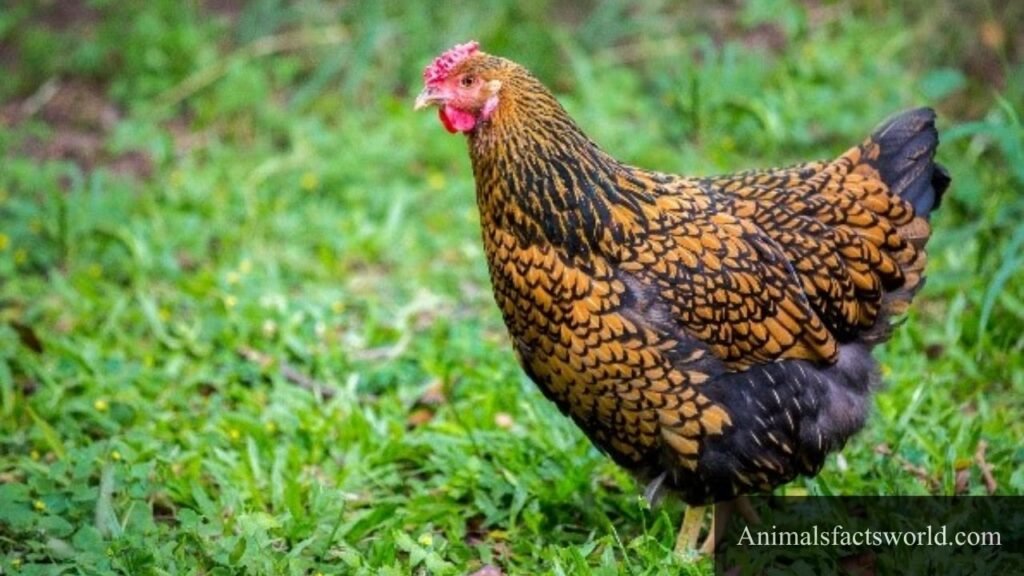
The act of hunting for worms not only satisfies chickens’ dietary needs but also stimulates their natural behaviors, encouraging physical activity and mental engagement. This scavenging instinct contributes to their happiness and well-being, which is vital for backyard flocks. Moreover, feeding chickens worms can enhance the quality of their eggs, imparting deeper yolks and richer flavors, which can be a delightful reward for those dedicated to poultry care.
Hawks
Scientific Name: Accipitridæ
Class: Aves
Diet: Carnivore
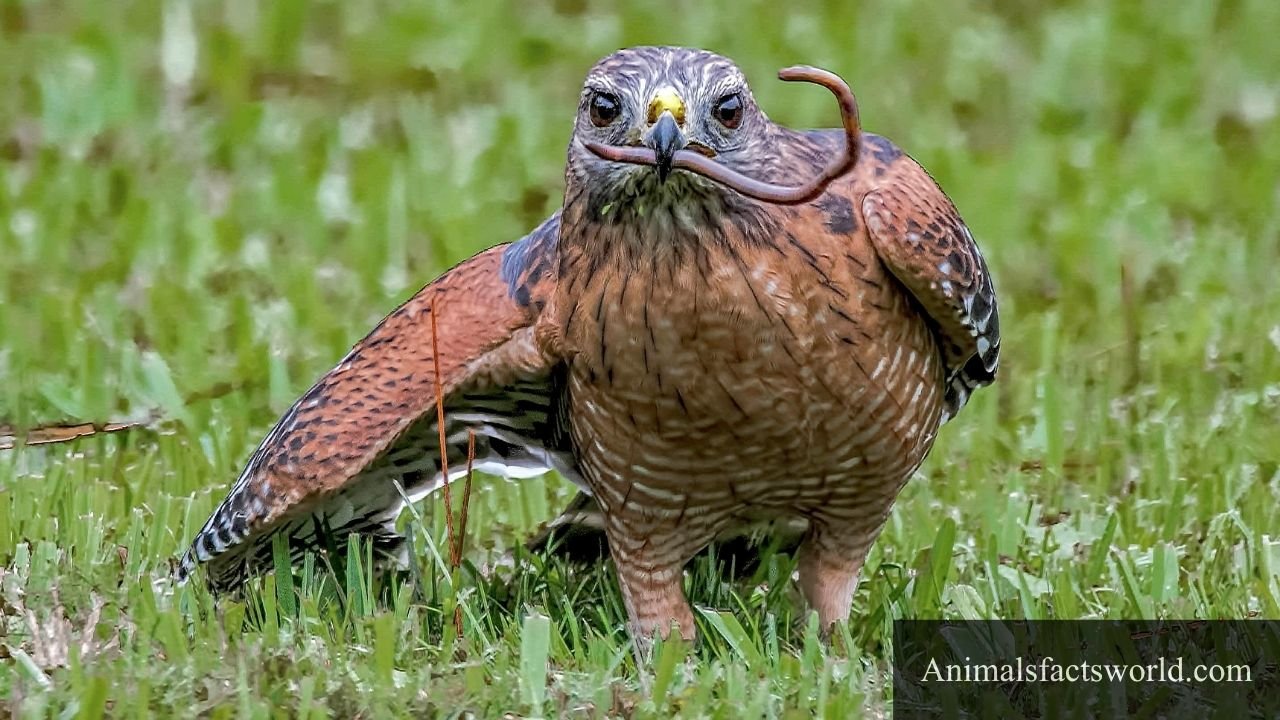
Hawks are fascinating avian predators that strategically include worms in their diet, adding a surprising twist to their hunting repertoire. While they are often characterized by their keen eyesight and ability to snatch small mammals or reptiles, these birds also exhibit a notable adaptability that allows them to thrive in various environments. In ecosystems where earthworms are abundant, hawks recognize the nutritional value of these invertebrates, capitalizing on their high protein content. This adds another layer to their role in the food web, illustrating how these raptors balance their diet to optimize energy intake.
Interestingly, the consumption of worms also highlights the interconnectedness of ecosystems. As hawks prey on worms, they help regulate worm populations, which in turn benefits soil health and plant growth. Furthermore, hawks showcasing diverse dietary preferences can indicate the overall health of their habitat, serving as bioindicators for environmental changes. By observing their feeding behaviors, researchers gain insights into shifts in worm populations that may be influenced by factors like soil erosion or pollution. Thus, the seemingly simple act of a hawk devouring a worm supports a complex narrative about biodiversity and ecological balance.
Frogs
Scientific Name: Anura
Class: Amphibia
Diet: Carnivore
Frogs are fascinating amphibians that showcase a remarkable adaptability in their diets, with worms being a key component. These slimy invertebrates are not just a tasty treat for frogs; they also offer a rich source of essential nutrients. The protein-packed bodies of worms provide frogs with the energy needed to thrive in their diverse habitats, from lush wetlands to arid grasslands.
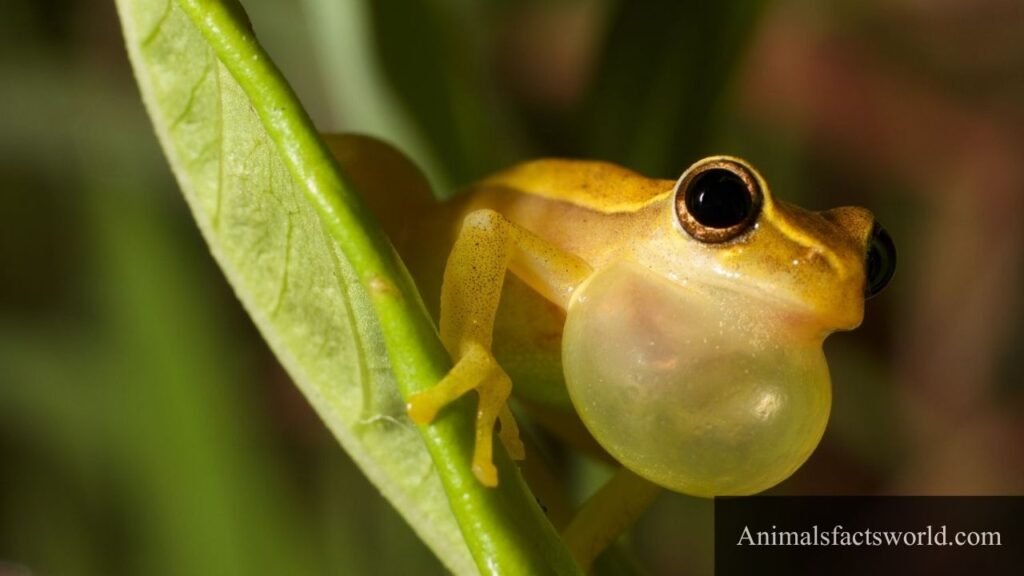
Interestingly, a frog’s feeding technique plays a critical role in its ability to capture worms. With their long, sticky tongues, frogs can dart out in a split second, making quick work of even the most elusive prey. This hunting strategy underscores the interdependence of species in their ecosystems, reinforcing the notion that small creatures like worms support larger ones in a delicate balance of life. By consuming worms, frogs help maintain soil health by controlling worm populations and aerating the earth, making them indispensable players in their environments.
Platypuses
Scientific Name: Ornithorhynchus anatinus
Class: Mammalia
Diet: Carnivore
Platypuses, those extraordinary egg-laying mammals native to Australia, are not just curious creatures; they’re fascinating worm hunters. With their sensitive bill, they forage underwater, searching for worms and other invertebrates to sustain themselves. This unique adaptation allows them to detect the faint electric fields generated by their prey, making them masterful foragers in murky waters where visibility is low.
Worms play a crucial role in the diet of platypuses, composed mainly of soft-bodied animals like annelids, which contribute essential proteins and nutrients to their overall health. This diet not only supports their energy needs but also underscores the role of platypuses as vital players in their aquatic ecosystems. By maintaining a balance in the populations of these invertebrates, they indirectly support the habitats in which they thrive, showcasing the interconnectedness of food webs in local ecosystems. Their worm-eating habits highlight how even the most unusual animals can have significant impacts on their surroundings, prompting us to appreciate the intricate relationships within nature.
Armadillos
Scientific Name: Dasypodidae
Class: Mammalia
Diet: Omnivore
Armadillos possess a unique diet that significantly includes a variety of invertebrates, with worms playing a pivotal role in their nutrition. These resilient creatures use their keen sense of smell to locate earthworms and other worms buried in the soil, showcasing their remarkable adaptation to foraging. This dietary preference not only provides essential proteins and nutrients for their survival, but also highlights the important ecological role these animals play in soil health. By consuming worms, armadillos assist in aerating the soil and controlling worm populations, which can promote a balanced ecosystem.
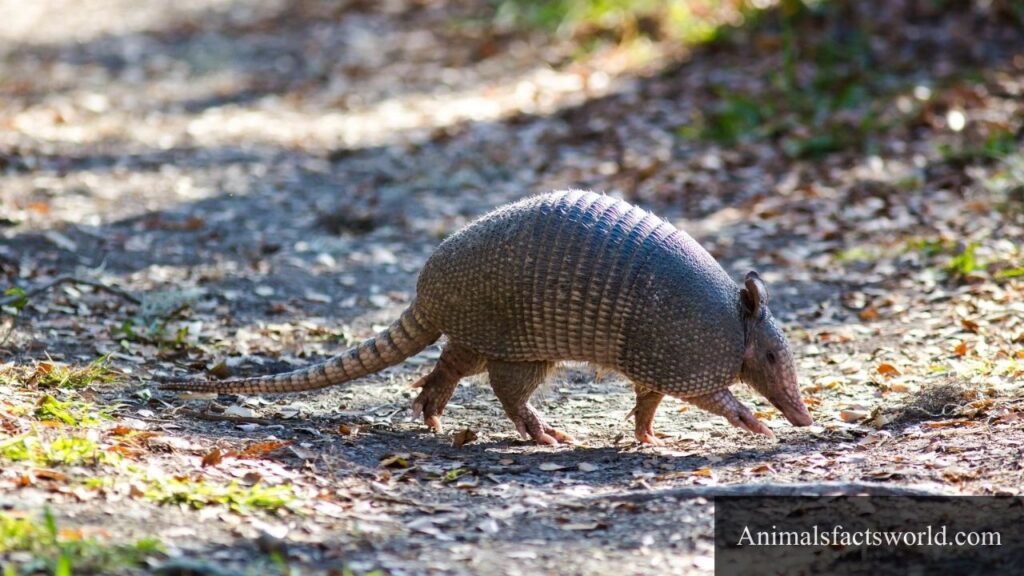
Moreover, armadillos have developed specialized feeding behaviors, such as digging and rooting through the earth, which allows them to exploit food resources that many other animals overlook. Their ability to consume a large quantity of worms also supports their high-energy needs, particularly during the warmer months when foraging is most productive. Interestingly, research has shown that the presence of armadillos can influence the distribution and diversity of worm species in a given area, illustrating an intricate relationship between these animals and their worm prey. Thus, while they may seem like humble soil dwellers, the impact of armadillos on the worm population and broader ecological dynamics is anything but minimal.
Readmore: Explore Top 17 Animals That Eat Insects.
Final Thoughts
The diverse group of animals that eat worms serves as a reminder of nature’s interconnected web of life. These creatures, ranging from earth-dwelling mammals to agile birds, underscore the importance of worms as a vital food source that supports multiple species. As they play their part in their respective ecosystems, they help maintain soil fertility and overall ecological health. By recognizing and respecting these relationships, we can foster a greater appreciation for wildlife and its preservation. Join us in advocating for conservation efforts to safeguard these essential species and their habitats.
FAQs
What animals eat worms?
Many animals eat worms as part of their diet. Birds are some of the most common worm eaters; species like robins and blue jays feast on them, especially during the spring and summer when worms are more abundant. Many mammals such as hedgehogs, moles, and some rodents also incorporate worms into their diet. Reptiles, like certain types of snakes, will consume worms as well. Even some fish, such as catfish, can be found hunting for worms in their aquatic environments.