Top 11 Animals That Eat Bees (With Pictures)
In “Animals That Eat Bees,” we’ll explore the surprising variety of creatures that hunt these buzzing insects and the impact they have on bee populations. Understanding the relationships between these animals and bees sheds light on the delicate balance of our natural ecosystems. By the end of this article, you’ll appreciate these unique predators and their roles in our environment.
List of Animals That Eat Bees
Below is the list of animals that eat bees:
- Shrews
- Raccoons
- Asian giant hornets
- Mice
- Opossums
- Bee-eaters
- Bears
- Honey buzzards
- Skunks
- Praying mantises
- American badgers
Shrews
Scientific Name: Soricidae
Class: Mammalia
Diet: Carnivore
Shrews, often overlooked in the animal kingdom, possess a remarkable appetite for bees. These tiny, insectivorous mammals have an extraordinary metabolism that drives them to consume large quantities of food each day — up to three times their body weight. While many might picture them munching on worms or insects, shrews have a surprising taste for honeybees, known for their tough exteriors.
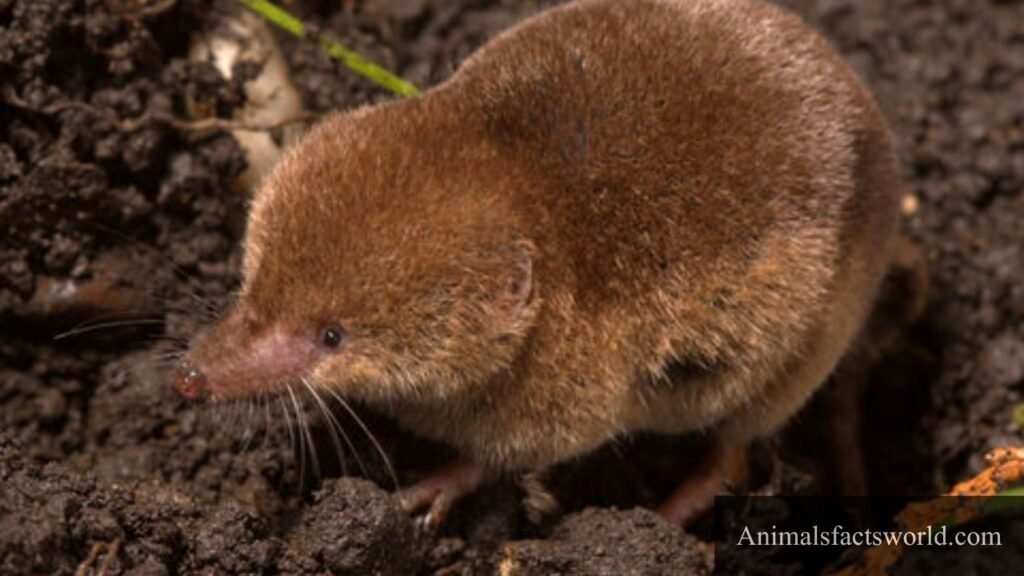
Their hunting strategy is as cunning as it is intriguing. Shrews often infiltrate bee colonies, darting in and out with astounding speed. Their sharp teeth and impressive agility allow them to access stored honey and larvae, showcasing an uncommonly bold side of their behavior. Interestingly, the venomous saliva of some shrew species can immobilize their prey, giving them an upper hand in the battle for sustenance. This unique predatory adaptation highlights a less-known aspect of the ecosystem, revealing a complex web of interactions that connects these diminutive foragers to the industrious world of bees.
Raccoons
Scientific Name: Procyon lotor
Class: Mammalia
Diet: Omnivore
Raccoons, with their clever paws and inquisitive nature, often find themselves raiding beehives. Equipped with an impressive dexterity, they can pry open hives to indulge in both honey and bee larvae. This behavior highlights not only their opportunistic feeding habits but also their adaptability in urban environments, where they frequently cross paths with human-managed bee colonies.
Interestingly, raccoons show no hesitation when confronted with defensive bees. They employ a strategy of rapid consumption, grabbing as many bees as possible before retreating. This not only ensures a meal but also minimizes the risk of stings. Their presence can disrupt local ecosystems, as they not only target honey but also impact bee populations, which play a vital role in pollination. Understanding the raccoon’s role in this dynamic offers a glimpse into the intricate balance between wildlife and the agricultural practices of modern society.
Asian Giant Hornets
Scientific Name: Vespa mandarinia
Class: Insecta
Diet: Carnivore
Asian Giant Hornets, often dubbed the “murder hornets,” are apex predators in the insect world, and their hunting habits are as fascinating as they are ruthless. These hornets have developed a tactical approach to raiding honeybee colonies, utilizing sheer force and teamwork. A small group can invade a hive and decimate a colony in mere hours, demonstrating an extraordinary level of coordination and communication.
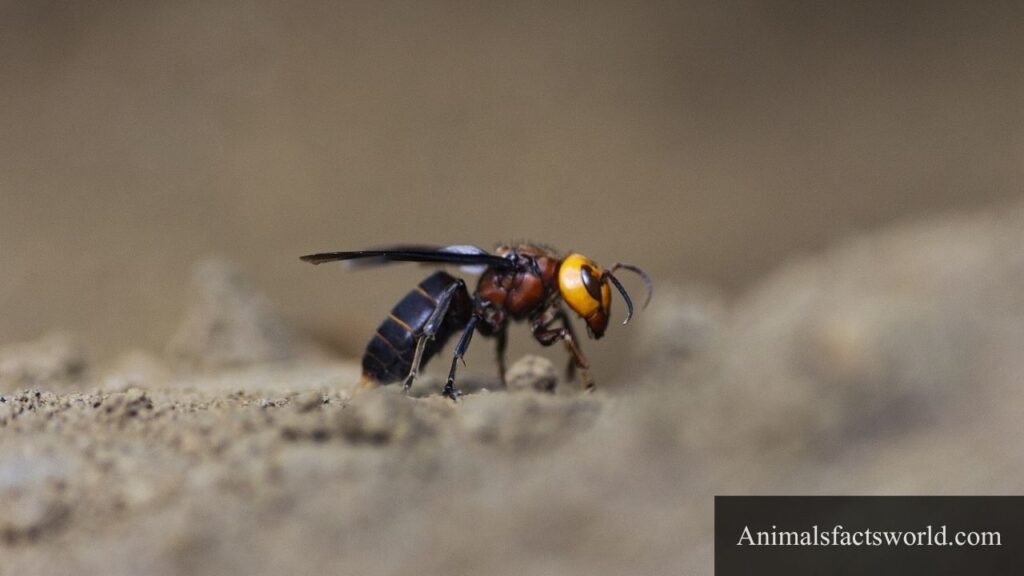
Interestingly, their lethal method involves a technique called “decapitation,” where they swiftly remove the heads of unsuspecting bees. This gruesome behavior isn’t just about feeding; it serves to intimidate and deter the remaining bees. This dynamic makes the Asian Giant Hornet a perfect example of the delicate balance in ecosystems, where one species’ survival often comes at the expense of another. Observing this predator-prey interaction reminds us of nature’s raw and unfiltered reality, prompting us to reconsider our perceptions of these often-misunderstood creatures.
Readmore: Explore Top 15 Animals That Eat Worms.
Mice
Scientific Name: Mus musculus
Class: Mammalia
Diet: Omnivore
Mice play an intriguing role in the ecosystem of bee populations. These small rodents are opportunistic feeders, and while they typically munch on seeds and grains, they won’t shy away from a protein boost in the form of bees. When food is scarce or during the warmer months when bee activity is at its peak, mice have been known to raid hives, feasting on both bees and honey.
This behavior raises fascinating questions about the balance of nature. As bees pollinate vital plants, their decline due to predation can ripple through entire ecosystems. Yet, in a way, mice help maintain that balance; by preying on weaker bee populations, they may inadvertently foster stronger colonies that thrive through adaptation. It’s a reminder of how interconnected life is — where one creature’s sustenance can become part of another’s survival strategy.
Opossums
Scientific Name: Didelphis virginiana
Class: Mammalia
Diet: Omnivore
Opossums bring an unexpected twist to the ecosystem by occasionally snacking on bees. These marsupials exhibit a surprising adaptability, foraging through gardens and fields where hives may be located. With their unique ability to withstand venom, opossums can gobble up bees with relative ease, providing a natural means of pest control.
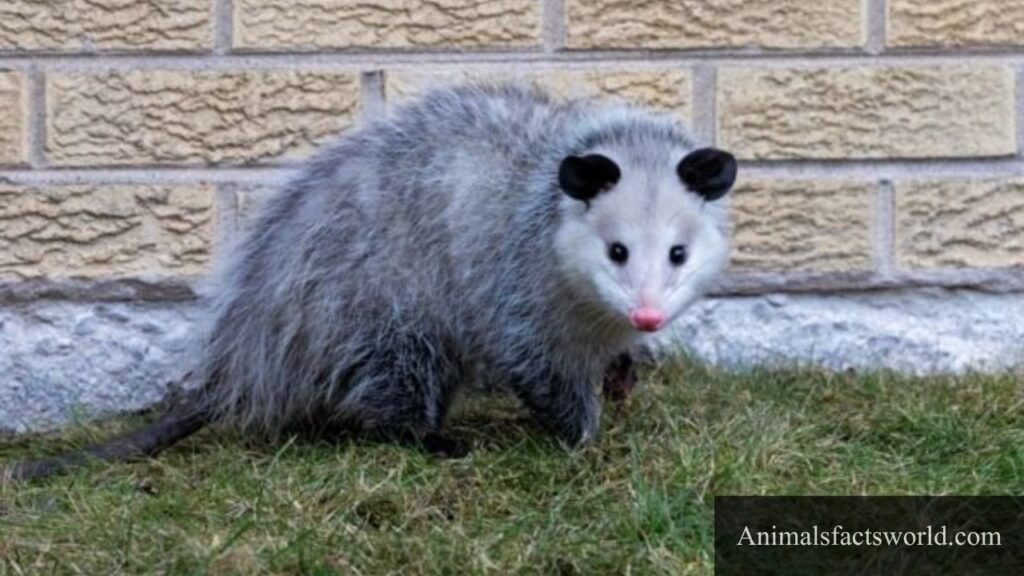
Beyond their bee-eating habits, opossums also play a crucial role in their environment by keeping insect populations in check. Their presence can act as a balancing force, ensuring that bee populations don’t reach problematic levels. Moreover, the opossum’s nocturnal foraging means they don’t compete with daytime pollinators, allowing bees to thrive during sunlight hours. This symbiotic relationship highlights how even the most unassuming creatures can influence the delicate dance of nature.
Bee-eaters
Scientific Name: Meropidae
Class: Aves
Diet: Carnivore
Bee-eaters stand out as charismatic avians with a taste for bee delicacies. These colorful birds possess remarkable aerial agility, allowing them to snatch bees mid-flight. Their impressive hunting skills aren’t just about speed; it’s a dance of precision, showcasing their keen eyesight and instinctual prowess.
But it’s not just about the thrill of the hunt. Bee-eaters play an essential role in ecosystems by regulating bee populations, creating a balance that benefits flowering plants dependent on pollinators. Observing these birds can reveal fascinating insights into predator-prey dynamics, as they adapt their strategies based on bee availability and behavior. Their vibrant plumage and sociable nesting habits draw birdwatchers’ attention, making them a standout subject in the avian world.
Bears
Scientific Name: Ursidae
Class: Mammalia
Diet: Omnivore
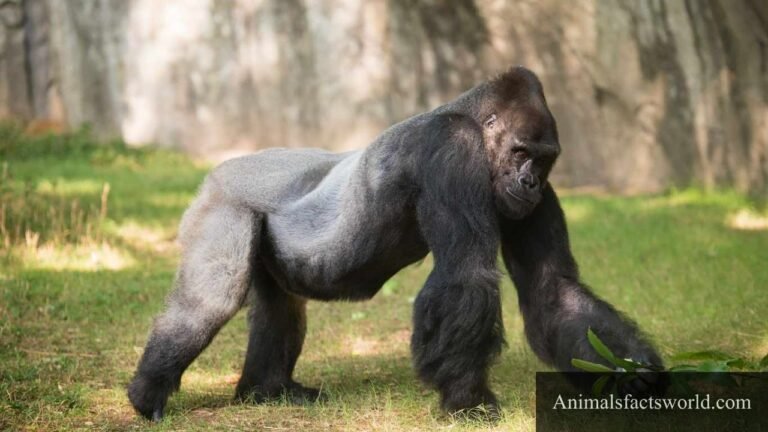
Bears are surprisingly adept at raiding beehives, and their techniques are as fascinating as they are effective. With keen senses and powerful limbs, they can knock over hives, exposing the honey within. What’s intriguing is their selective strategy; they often focus on hives that are rich in honey, minimizing energy expenditure while maximizing their sugary rewards.
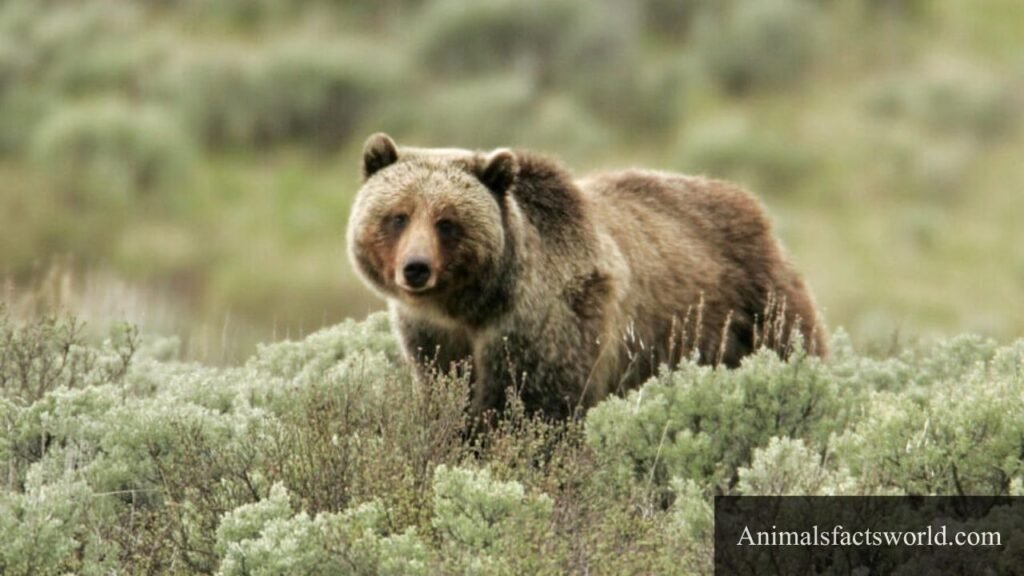
Beyond just the sweet treat, bears also benefit from the protein found in the bee brood, making this a balanced meal. Their foraging behavior showcases a remarkable adaptation; they’ve evolved to time their raids with blooming flowers when hives are most active. This relationship also highlights a unique ecological balance — while bears contribute to hive disturbance, they simultaneously assist in pollination by moving from one flower to another in search of food. This dual role enriches the ecosystem, illustrating the complex interdependencies that define wildlife habitats.
Honey Buzzards
Scientific Name: Pernis apivorus
Class: Aves
Diet: Carnivore
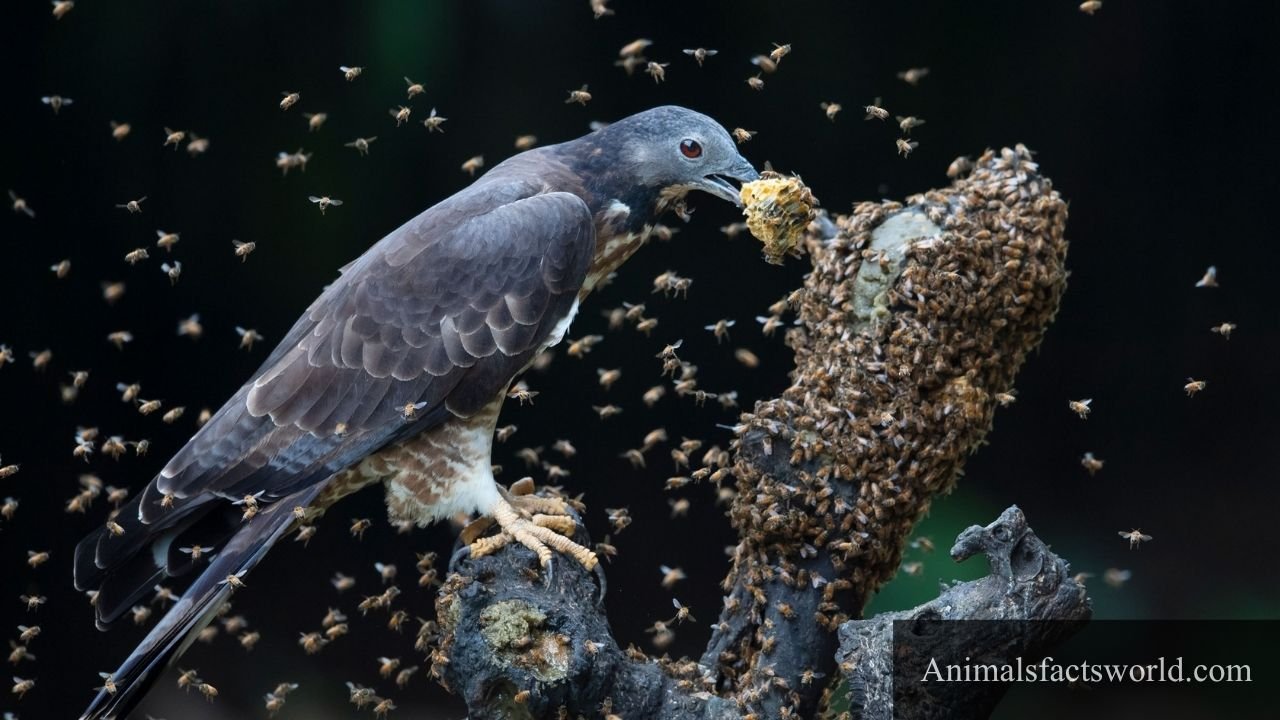
Honey buzzards are fascinating avian predators, uniquely adapted to feast on bees. With their specialized plumage and robust physique, these birds navigate the skies with agility, targeting beehives with precision. Their strong beaks allow them to extract honey and larvae, showcasing a remarkable example of survival that hinges on a relationship as vicious as it is intricate.
What’s intriguing is their strategy for sourcing these sweet treasures. Honey buzzards instinctively locate hives by following foraging bees back to their nests. This sneakiness, combined with their resilience to bee stings, sets them apart in the avian world. It’s almost as if they’ve evolved a mutual understanding with bees, though it’s decidedly an adversarial one — an unspoken competition for resources.
Skunks
Scientific Name: Mephitidae
Class: Mammalia
Diet: Omnivore
Skunks may appear unassuming with their black-and-white fur, but these nocturnal foragers are surprisingly effective at raiding bee colonies. Equipped with a keen sense of smell, skunks locate beehives with ease, making them opportunistic diners of the buzzing insects. Their pliable tongues and specialized teeth allow them to harvest honey and larvae, turning a potential sting into a quirky feast.
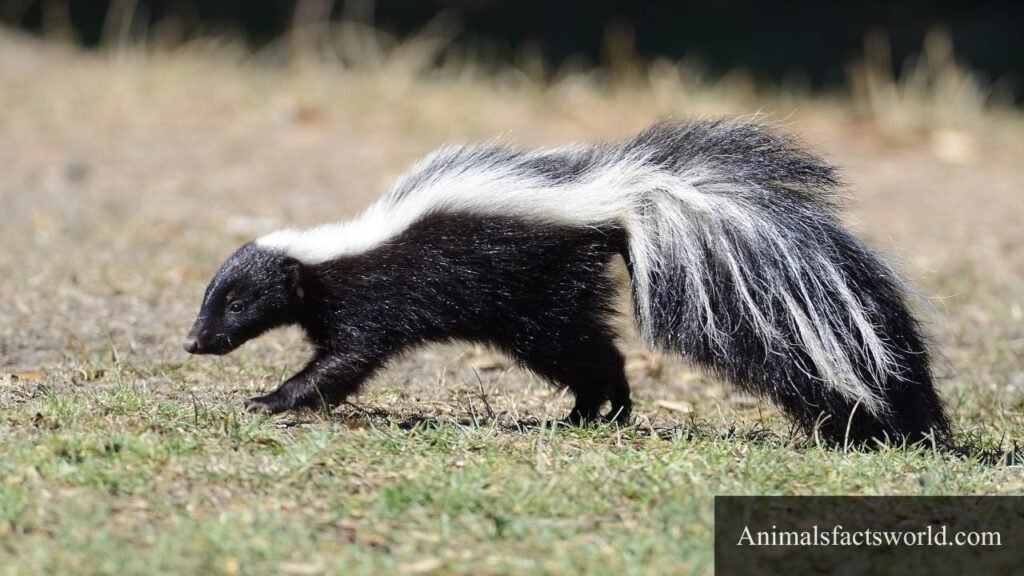
Interestingly, skunks seem to have developed a strategy to minimize the risk of getting stung. They often roll around in the dirt before approaching a hive, which may help camouflage the scent of their presence from guard bees. This clever tactic highlights their adaptability and resourcefulness in the wild, showcasing an animal that thrives on its cunning rather than sheer force. By consuming bees, skunks not only satisfy their hunger but also inadvertently play a role in regulating bee populations, creating a unique balance in the ecosystem.
Praying Mantises
Scientific Name: Mantodea
Class: Insecta
Diet: Carnivore
Praying mantises are fascinating predators that showcase an unexpected appetite for bees. Their ambush tactics are nothing short of remarkable; they remain perfectly still, blending into their surroundings until a bee unwittingly flies close enough. With lightning speed, a mantis strikes, capturing its prey with spiny forelegs designed specifically for grasping.
What makes this predator even more intriguing is its selective nature. Praying mantises tend to target specific bee species, often going for those less agile or more distracted. This behavior not only highlights their intelligence but also emphasizes their role in the ecosystem’s delicate balance. By preying on these pollinators, mantises become yet another reminder of nature’s intricate web of life, where every creature plays a crucial part in the cycle of existence.
American Badgers
Scientific Name: Taxidea taxus
Class: Mammalia
Diet: Carnivore
American badgers are tenacious and resourceful foragers, known for their impressive skills in digging and hunting. While they primarily feast on small mammals and insects, these crafty critters have a taste for bees and their honey. With their strong claws and powerful limbs, badgers can excavate bee colonies with startling efficiency, risking stings in pursuit of a sweet reward.
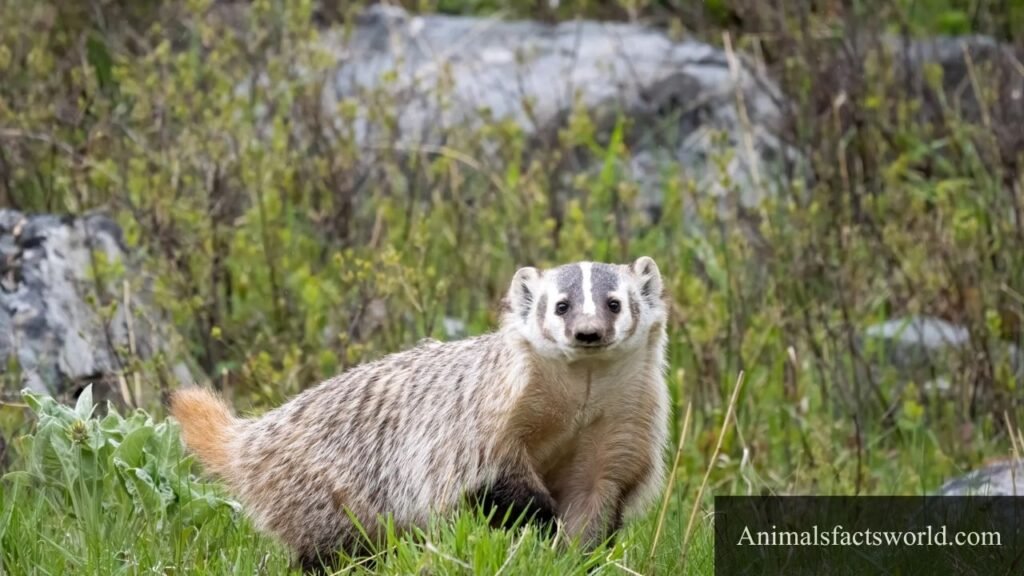
What’s particularly fascinating is the badger’s selective strategy. They often target the larvae and honey, which provide essential nutrients and energy. This behavior demonstrates a remarkable adaptability in their diet, showcasing the intricate relationships within ecosystems. By preying on bees, badgers play an unexpected role in regulating their populations, balancing out the dynamic between predators and pollinators. This interaction underscores the complexity of food webs, reminding us of the hidden connections between even the most unlikely of species.
Readmore: Explore Top 15 Animals That Eat Butterflies.
Final Thoughts
The variety of animals that consume bees showcases the intricate web of life that exists in our ecosystems. Each predator plays a vital role in regulating bee populations, which can affect pollination and plant growth. While this may seem alarming, it’s a testament to nature’s balance and resilience. Understanding these relationships deepens our appreciation for wildlife and encourages us to protect both bees and their natural enemies. Let’s commit to preserving these species and their habitats, promoting biodiversity for future generations.
FAQs
What animals consume bees?
Several animals consume bees, including birds and small mammals. For instance, some species of wasps and hornets will eat bees. Birds like swallows and blue jays are also known to catch and eat bees while in flight.
Reptiles such as certain lizards and amphibians may opportunistically feed on bees if they come across them. Even larger mammals like bears will raid beehives for honey and consume the bees in the process.
What is a bees biggest predator?
A bee’s biggest predator varies by species and habitat, but generally, it’s the wasp. Wasps are aggressive hunters and have similar diets, making them a significant threat to bee populations. They often raid hives for honey and larvae, putting entire colonies at risk. Other notable predators include birds, such as bee-eaters, and larger insects like dragonflies.