Top 15 Animals That Eat Snails (With Pictures)
The phenomenon of Animals That Eat Snails is not only fascinating but vital for our understanding of biodiversity. From amphibians to mammals, these predators help regulate snail populations, influencing the health of their ecosystems. In this article, we’ll uncover the various species that relish snails and the significant impact they have on their surroundings.
List of Animals That Eat Snails
Here is the list of animals that eat snails:
- Opossums
- Blackbirds
- Ducks
- Toads
- Salamanders
- Shrews
- Crows
- Frogs
- Leopard Slugs
- Box Turtles
- Snakes
- Hedgehogs
- Wild Turkeys
- Mice
- Newts
Opossums
Scientific Name: Didelphimorphia
Class: Mammalia
Diet: Omnivore
Opossums are remarkable snail hunters that contribute significantly to controlling these mollusk populations. Equipped with a diverse diet, they are opportunistic feeders, which means they can adapt to various food sources based on availability. Their ability to consume snails is particularly valuable, as it not only helps manage pest populations but also prevents the spread of parasites that snails can carry, thereby promoting a healthier ecosystem.
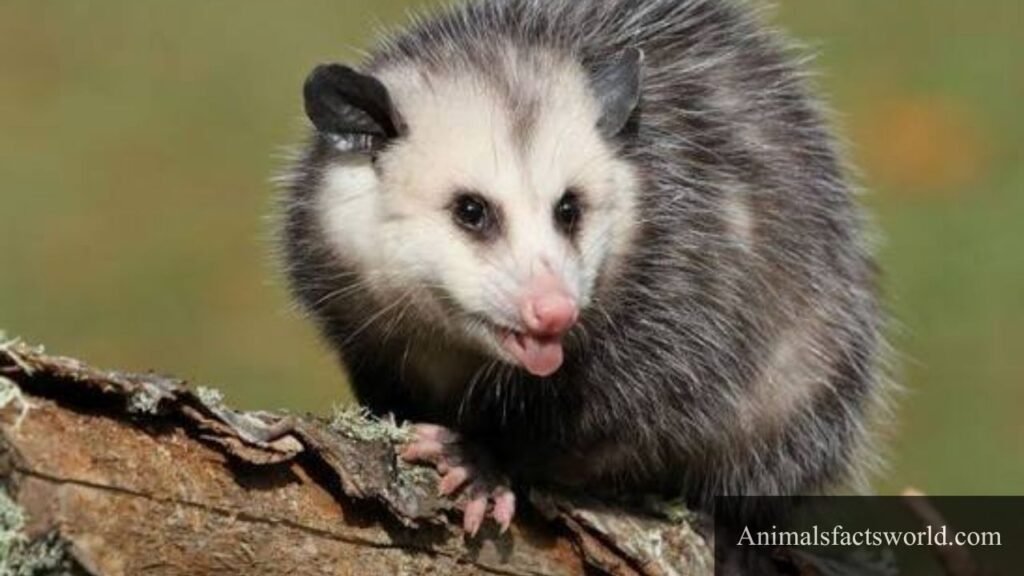
Interestingly, opossums possess a unique physiological trait: they have immune systems that can resist certain toxins found in the snails they consume. This not only enables them to thrive on a diet that would be harmful to other animals but also highlights their evolutionary adaptations in the wild. As nocturnal foragers, opossums utilize their excellent sense of smell to locate these slimy delicacies, deftly flipping over rocks and logs to unearth them. By embracing the role of an ecological pest controller, opossums remind us of the interconnectedness of species and the importance of conserving habitats where they flourish.
Blackbirds
Scientific Name: Turdus merula
Class: Aves
Diet: Omnivore
Blackbirds, often seen flitting through gardens and parks. are surprisingly adept at foraging for snails. These omnivorous foragers have a keen eye for spotting snail shells nestled among foliage or hidden beneath damp leaves. What may appear as a casual stroll through the underbrush transforms into a strategic hunt; blackbirds utilize their sharp beaks not just for piercing fruit but for deftly extracting snails from their protective shells.
This dietary choice speaks to the blackbird’s adaptability and resourcefulness. In an environment where snails thrive, blackbirds capitalize on the abundance, particularly in early spring when these mollusks emerge in droves. But there’s more to the story: blackbirds possess a unique technique. With a ceremonial flair, they sometimes drop snails onto hard surfaces to crack open the shells, showcasing an impressive understanding of their tools and surroundings. Their role as ecological regulators becomes clear, as they help control snail populations, inadvertently benefiting plant life in their habitats.
Ducks
Scientific Name: Anatidae
Class: Aves
Diet: Omnivore
Ducks are often celebrated for their diverse diet, but their penchant for snails is particularly fascinating. These waterfowl are natural foragers, using their broad bills to sift through mud and shallow waters, revealing hidden snails that other creatures may overlook. The process is not just about sustenance; it showcases a remarkable adaptability and resourcefulness that speaks to their survival instincts.
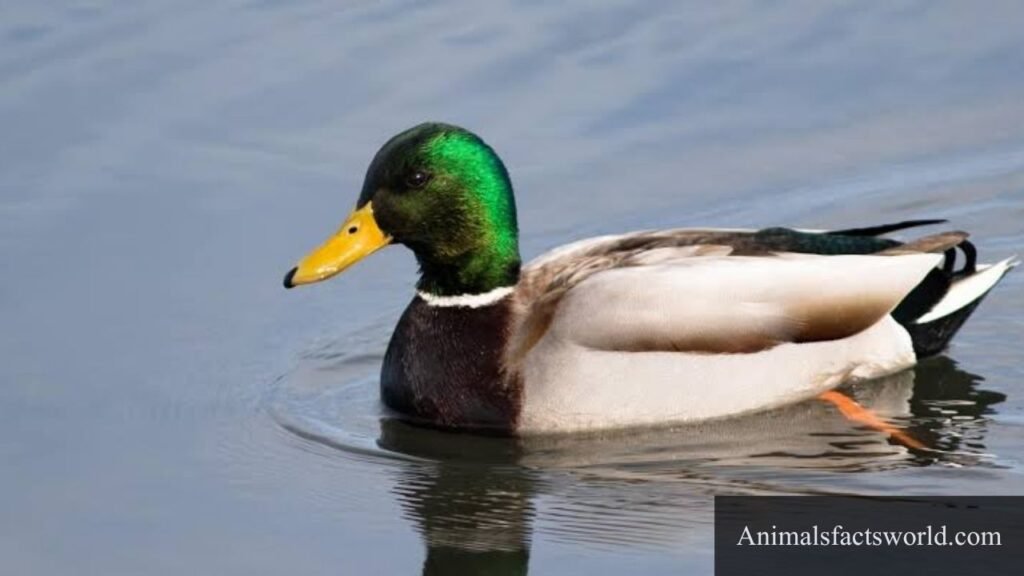
Interestingly, the consumption of snails provides ducks with essential nutrients, including protein, calcium, and essential fatty acids. This dietary choice also plays a role in managing snail populations, which can sometimes reach pest-like proportions, affecting ecosystems and agriculture. Observing ducks as they hunt for these slimy delicacies offers a glimpse into the balance of nature’s food web and highlights the often-overlooked benefits of an omnivorous diet.
Readmore: Explore Top 15 Animals That Eat Worms.
Toads
Scientific Name: Bufonidae
Class: Amphibia
Diet: Carnivore
Toads are fascinating carnivores with a distinct taste for snails, showcasing a dynamic aspect of their diet that benefits both ecosystems and their own health. Equipped with a long, sticky tongue, toads can flick it out swiftly, ensnaring snails from beneath leaves or atop rocks. This agile hunting technique displays not only their adaptability but also their role as a natural pest control agent, helping to manage snail populations that can otherwise become invasive.
Moreover, the consumption of snails provides toads with essential nutrients, enhancing their overall fitness and vitalizing their longevity. Interestingly, snails offer more than just sustenance; they can also serve as bioindicators. A thriving toad population often signals a healthy ecosystem, as these amphibians rely on a balanced environment to prosper. Therefore, the relationship between toads and snails reflects a complex intertwining of species, showcasing nature’s intricate web of life where every creature plays a crucial role.
Salamanders
Scientific Name: Urodela
Class: Amphibia
Diet: Carnivore
Salamanders, often cloaked in vibrant colors and intricate patterns, play a surprising role in the ecosystem as voracious snail hunters. These amphibians utilize their remarkable agility and keen sense of smell to locate snails hidden among leaves and rocks. With their long, agile tongues equipped for a rapid strike, they can snatch snails with impressive precision. This predation not only controls the snail population but also showcases the intricate balance of nature — where even the smallest creatures, like snails, have their place in a wider food web.
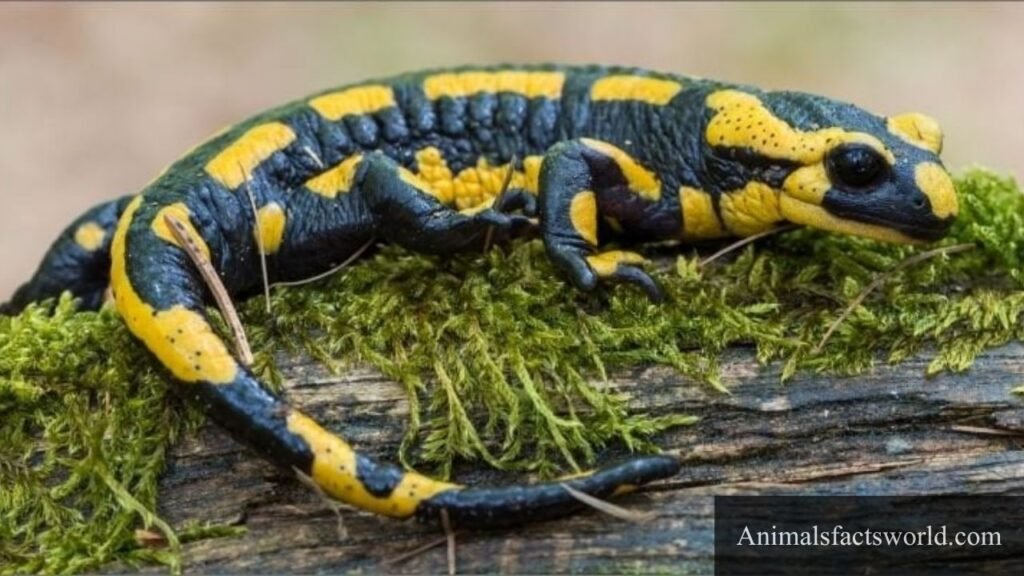
Interestingly, not all salamander species share the same dietary preferences. While some are strictly insectivorous, others have evolved to incorporate snails into their diet, indicating a fascinating level of adaptability. This dietary flexibility allows them to thrive in varied environments, from moist forests to mountainous regions. By consuming snails, salamanders not only fulfill their nutritional needs but also contribute to the overall health of their habitat, limiting potential overpopulation of gastropods that could otherwise damage vegetation. Thus, salamanders exemplify the interconnectedness of life; they are not just hunters, but active participants in maintaining ecological harmony.
Shrews
Scientific Name: Soricidae
Class: Mammalia
Diet: Carnivore
Shrews are fascinating predators in the world of conchophagy — the eating of snails. Equipped with elongated snouts and sharp teeth, these little mammals display an impressive agility that allows them to hunt down slippery snails in damp environments. What’s remarkable is their voracious appetite; some shrew species can consume twice their body weight daily, making snails a crucial dietary staple.
Beyond mere sustenance, shrews play a vital role in controlling snail populations, which can otherwise skyrocket and disrupt local ecosystems. Their hunting strategy reveals a sophisticated approach: shrews often use their acute sense of smell to detect snails buried in leaf litter or hidden among vegetation. Once located, they employ rapid movements and clever tactics to root them out, demonstrating an intricate balance of skill and instinct in their foraging behavior. By understanding the ecological significance of shrews as snail eaters, we gain deeper insights into the interconnectedness of species and the delicate balance within their habitats.
Crows
Scientific Name: Corvus
Class: Aves
Diet: Omnivore
Crows are incredibly intelligent scavengers and one of their lesser-known culinary delights is snails, which they often extract from their shells using a clever technique. These winged omnivores can drop the snails from heights onto hard surfaces, leveraging gravity to crack the shells open — a true testament to their ingenuity. This behavior not only showcases their adaptability but also highlights their understanding of tools, as crows may gather rocks or other sharp objects to aid in breaking open these mollusks.
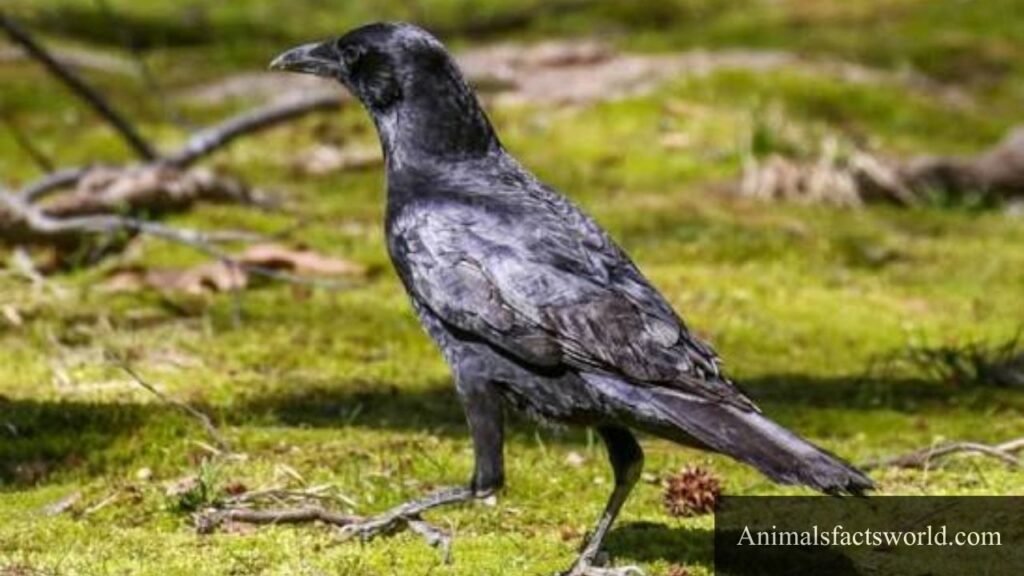
What’s particularly fascinating is the role crows play in the ecosystem as both predator and prey. By consuming snails, they help regulate snail populations, contributing to the balance of local ecosystems. Crows are often observed sharing their findings with other members of their group, further emphasizing their social structure and communication skills. This communal aspect of feeding enhances their survival not just individually but as a species, making them a pivotal part of their habitats. Watching these remarkable birds in action can give us deeper insights into the interconnectedness of nature, where each creature plays a vital role in maintaining ecological harmony.
Frogs
Scientific Name: Anura
Class: Amphibia
Diet: Carnivore
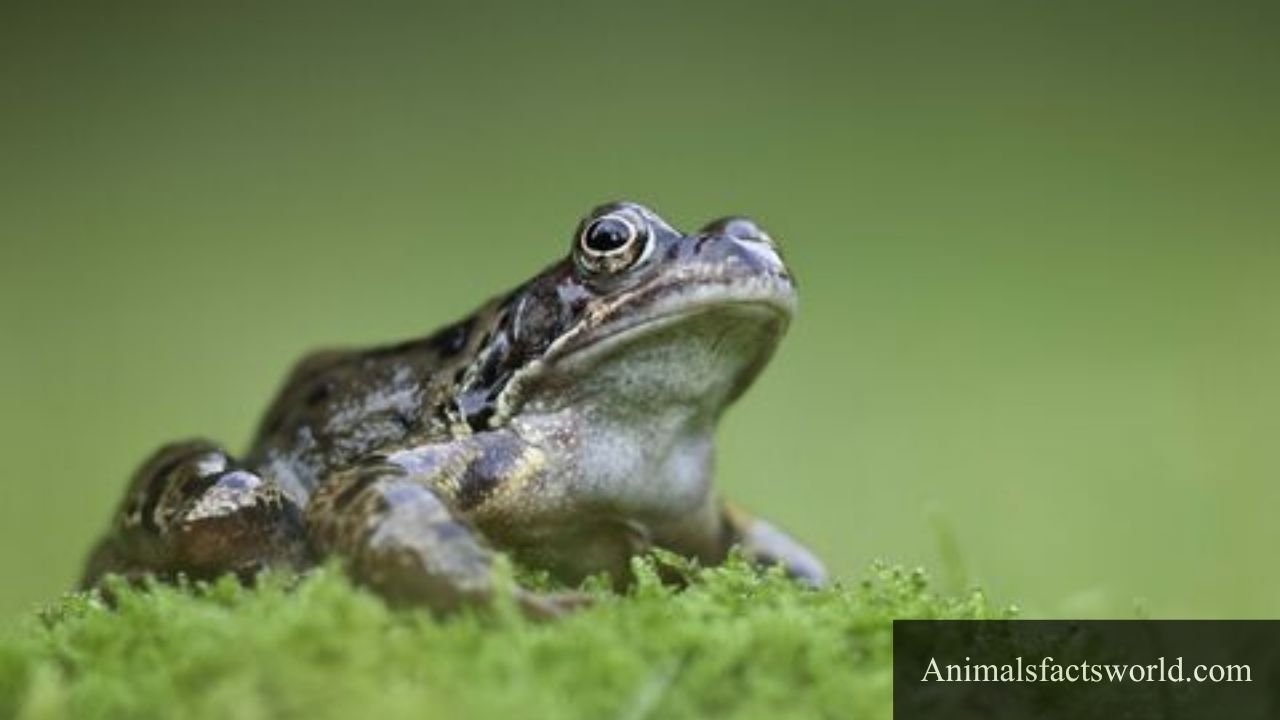
Frogs, with their agile tongues and keen hunting instincts, are some of nature’s most efficient snail predators. Often found near water bodies, these amphibians have developed a taste for various snail species, which provide essential nutrients and vitamins. Their ability to flick out their long, sticky tongues with remarkable speed allows them to capture these slow-moving mollusks effortlessly. This fascinating feeding strategy not only showcases their predatory skills but also highlights the delicate balance in ecosystems where every species plays a role.
Interestingly, the presence of frogs in a habitat can indicate its health. A thriving frog population often suggests that the environment is rich in biodiversity, which includes a healthy presence of snails. This relationship becomes even more complex in regions where invasive snail species threaten local ecosystems; frogs become crucial allies in controlling these populations. By delving into the dietary habits of frogs, we gain insight into the intricate connections among species, revealing the essential roles they play beyond mere survival.
Leopard Slugs
Scientific Name: Limax maximus
Class: Gastropoda
Diet: Omnivore
Leopard slugs play an intriguing role in their ecosystems as both predators and scavengers. While snails typically have a reputation for being slow and vulnerable, leopard slugs are adept hunters, employing a unique method of capturing their slippery prey. Their elongated bodies and agile movements allow them to navigate the damp underbrush, where they can efficiently hunt and consume lesser-known snail species that threaten garden harmony.
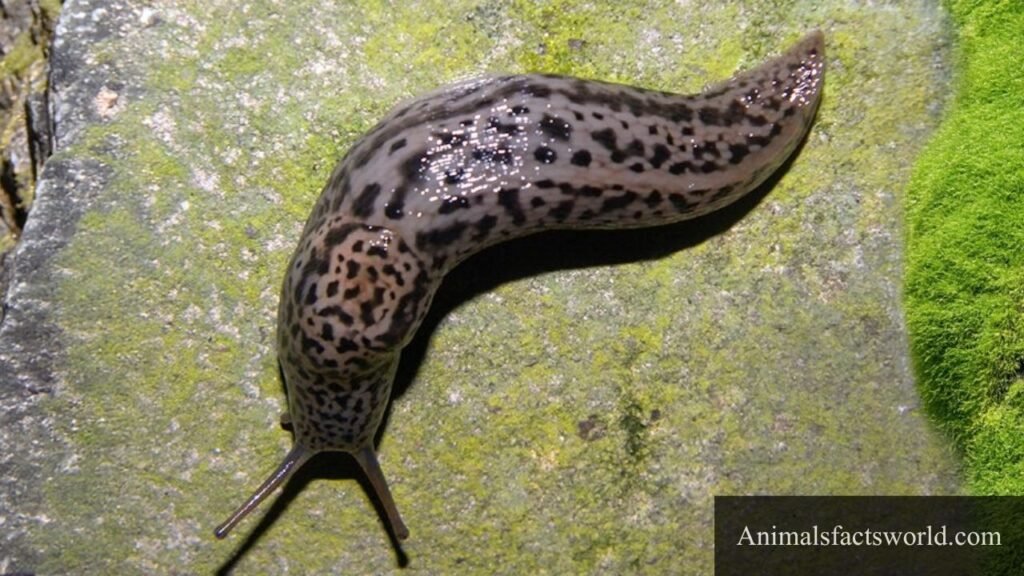
What sets leopard slugs apart is their sophisticated digestive process. Equipped with a radula, a specialized feeding organ, they scrape away the flesh of snails, unlocking nutrients that enrich their own vitality. Interestingly, these slugs also demonstrate a level of dietary flexibility that allows them to thrive in diverse environments. By feasting on decomposing plant matter alongside their hunts, they not only enhance their survival rates but also contribute to nutrient recycling — highlighting their role in maintaining ecological balance. Observing these fascinating creatures in action reveals a hidden world of predator-prey dynamics that many backyard enthusiasts may overlook.
Box Turtles
Scientific Name: Terrapene
Class: Reptilia
Diet: Omnivore
Box turtles are not just adorable garden inhabitants; they are also opportunistic feeders with a particular fondness for snails. Their versatile diet allows them to thrive in various environments, from woodlands to garden beds, where snails are often abundant. This dietary choice not only meets their nutritional needs but also plays a vital role in controlling local snail populations, preventing overgrazing on delicate vegetation.
The slow and deliberate foraging style of box turtles makes them adept at finding these mollusks, often turning over leaves or digging in the soil for hidden treats. Their sharp beaks and strong jaws are perfectly designed for cracking open snail shells, allowing them to access the soft protein inside. Interestingly, box turtles possess a unique method of hunting: they’ll sometimes locate snails by following the trail of their slime, illustrating the impressive adaptability of these creatures. Thus, by indulging in snails, box turtles contribute to maintaining ecological balance, showcasing their role as both predator and protector in the ecosystem.
Snakes
Scientific Name: Serpentes
Class: Reptilia
Diet: Carnivore
Snakes are often misunderstood as mere predators of small mammals but they have a surprisingly diverse diet that can include snails. Species like the Eastern Hognose are particularly adept at this unique meal choice, using their flexible jaws to consume the slimy mollusks whole. This diet is not just an opportunistic choice; it demonstrates their adaptability in various ecosystems, particularly in regions where snails thrive in damp environments.
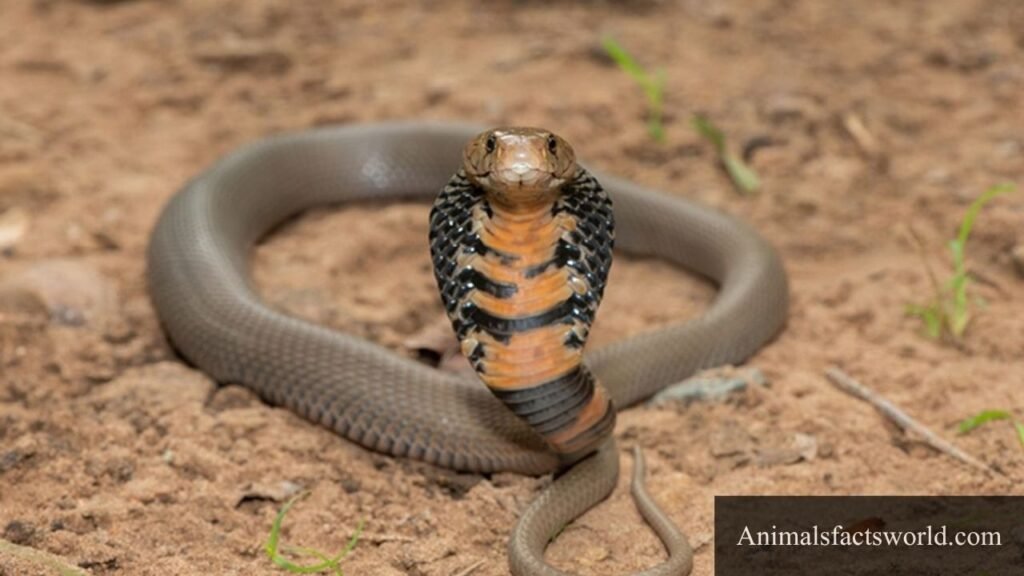
What’s fascinating is how the consumption of snails influences snake behavior and ecological dynamics. By controlling snail populations, these snakes help maintain the balance within their habitats, potentially preventing overpopulation that can lead to the spread of diseases in both animal and plant communities. The mucus-rich texture of snails can be an acquired taste for snakes, often leading them to refine their feeding techniques and preferences over time. This adaptability highlights the intricate relationships in nature, where even the smallest creatures like snails can impact the survival strategies of larger predators.
Hedgehogs
Scientific Name: Erinaceinae
Class: Mammalia
Diet: Omnivore
Hedgehogs are fascinating for their role in natural pest control, particularly regarding the humble snail. Known for their spiky armor, these nocturnal foragers exhibit a surprisingly diverse diet, making snails a preferred snack. With their keen sense of smell, hedgehogs navigate through gardens and forests in search of these slow-moving mollusks, which provide essential protein in their diets, especially as they prepare for hibernation.
What makes hedgehogs particularly intriguing in the context of eating snails is their unique digestive system. Unlike many animals that may struggle to process the hard shells of snails, hedgehogs can effectively break them down, utilizing their powerful saliva and specialized teeth. This ability not only aids in their survival but also plays a vital role in controlling the snail population, helping to maintain ecological balance in their habitats. By consuming these creatures, hedgehogs contribute to a healthier garden ecosystem, preventing overpopulation and the damage snails can inflict on plants.
Wild Turkeys
Scientific Name: Meleagris gallopavo
Class: Aves
Diet: Omnivore
Wild turkeys are fascinating creatures with diverse diets that adapt to their environments. While they primarily forage for seeds, fruits, and insects, they also indulge in the occasional snail, displaying a surprising flexibility in their feeding habits. By consuming snails, these birds not only gain valuable nutrients but also help control snail populations, indirectly benefiting the ecosystem by limiting potential pest outbreaks.
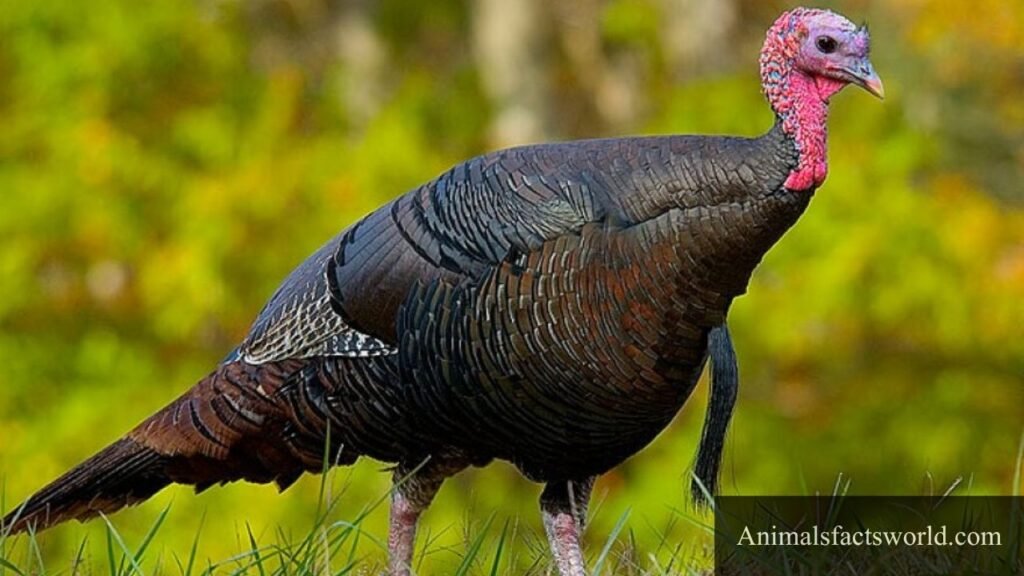
Moreover, the consumption of snails reveals the adaptability of wild turkeys to their changing surroundings. As they forage, they demonstrate remarkable foraging skills, using their sharp eyesight and keen sense of hearing to detect hidden snails among leaf litter. This behavior highlights their role as omnivores in the food chain, showcasing how they link various ecological components together. Observing a wild turkey gracefully navigating its habitat in search of these mollusks offers a unique glimpse into the intricate balance of nature, reminding us of the interconnection of all living things.
Mice
Scientific Name: Mus musculus
Class: Mammalia
Diet: Omnivore
Mice are surprisingly versatile eaters, which can include snails in their diet. These small mammals exhibit opportunistic feeding behaviors, often exploring their surroundings for food, and snails can be an easily accessible protein source. In habitats where snails thrive, such as gardens or forests, mice play a role in controlling their populations, highlighting their ecological importance.
Interestingly, the ability of mice to consume snails showcases their adaptability and resourcefulness. Unlike some predators that require specialized techniques or tools to extract snails from their shells, mice can rely on their foraging instincts and acute senses to locate and consume these shelled invertebrates. This behavior not only reflects their survival skills but also paints a broader picture of the complex food webs that exist in various ecosystems. Every nibble contributes to the balance of nature, reminding us that even the smallest creatures can have significant impacts on their environment.
Newts
Scientific Name: Pleurodelinae
Class: Amphibia
Diet: Carnivore
Newts play a crucial role in the ecosystem as voracious predators of snails. These amphibians are not just beautiful with their vibrant colors; they possess a remarkable hunting strategy that allows them to thrive in wetlands and woodlands alike. Their elongated bodies and agile movements enable them to navigate through dense vegetation, making them adept at locating the tightly coiled shells of snails hidden among leaves and debris.
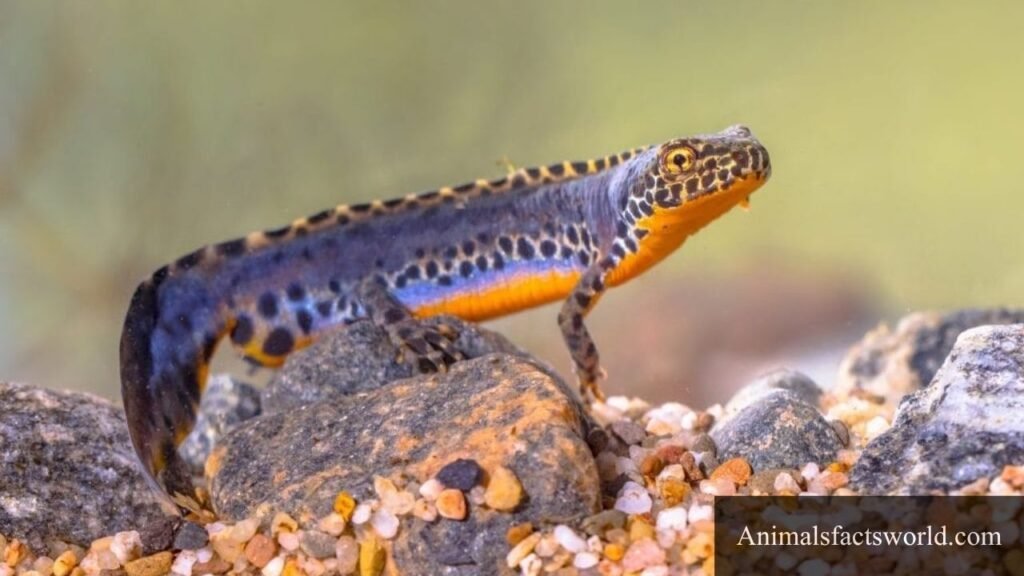
What sets newts apart in their quest for snails is their ability to consume a variety of species, including those with tough, calcium-rich shells. Equipped with a specialized tongue, newts can swiftly capture their prey, demonstrating a unique blend of patience and precision. As they feast on snails, they help maintain a balanced ecosystem, preventing these mollusks from overpopulating and damaging local flora. This delicate interplay highlights the often-ignored but vital role of newts as contributors to biodiversity and health in their habitats, showcasing how even the tiniest predators can have a significant impact on their environment.
Readmore: Explore Top 17 Animals That Eat Insects.
Final Thoughts
The fascinating world of animals that eat snails showcases the intricate balance of ecosystems. From birds like thrushes to reptiles such as certain species of turtles, these predators play a critical role in controlling snail populations and maintaining environmental health. Understanding their feeding habits not only enriches our knowledge of wildlife but also highlights the importance of biodiversity. As we continue to explore and conserve these species, we must remember that each creature contributes to a delicate web of life. Let’s take a moment to appreciate these remarkable animals and support efforts to protect their habitats.
FAQs
What can eat snails?
Snails have a variety of natural predators in the animal kingdom. Common enemies include birds, such as ducks and chickens, which peck at snails in gardens or ponds. Many species of fish, especially those in freshwater systems, also consume snails, making them a regular part of their diet. Mammals like raccoons and hedgehogs often hunt snails, using their dexterous paws or snouts to break into their protective shells.
Do snails get eaten by birds?
Yes, snails do get eaten by birds. Many bird species have a varied diet that includes snails, especially those that forage on the ground or along water edges. Birds such as thrushes, crows, and some species of ducks are known to actively seek out snails as a source of protein. The shell of the snail can be cracked open by some birds, which allows them to access the soft body inside.