Top 15 Animals That Eat Wasps (With Pictures)
In this article, we’ll explore the fascinating world of animals that eat wasps, highlighting their unique adaptations and hunting strategies. Understanding these predator-prey dynamics not only enriches our appreciation of nature but also underscores the ecological balance involved. By the end, you’ll gain insight into which animals help control wasp populations and why this is vital for our environment.
List of Animals That Eat Wasps
Here is the list of animals that eat wasps:
- Raccoon
- Starling
- Badger
- Honey buzzard
- Weasel
- Kestrel
- Tree squirrel
- Blackbird
- Bear
- Hawk
- Woodpecker
- Chickadee
- Bat
- Wren
- Magpie
Raccoon
Scientific Name: Procyon lotor
Class: Mammalia
Diet: Omnivore
Raccoons diet reveals a surprising edge to their adaptability. Known for their dexterous front paws, raccoons can skillfully access wasp nests, turning these potentially dangerous insects into a protein-rich snack. Approaching a nest is no small feat; they must navigate the risk of stings while using their intelligence and agility to outmaneuver angry wasps. This displays not only their courage but also their resourcefulness, proving that opportunism is a key survival trait in the wild.
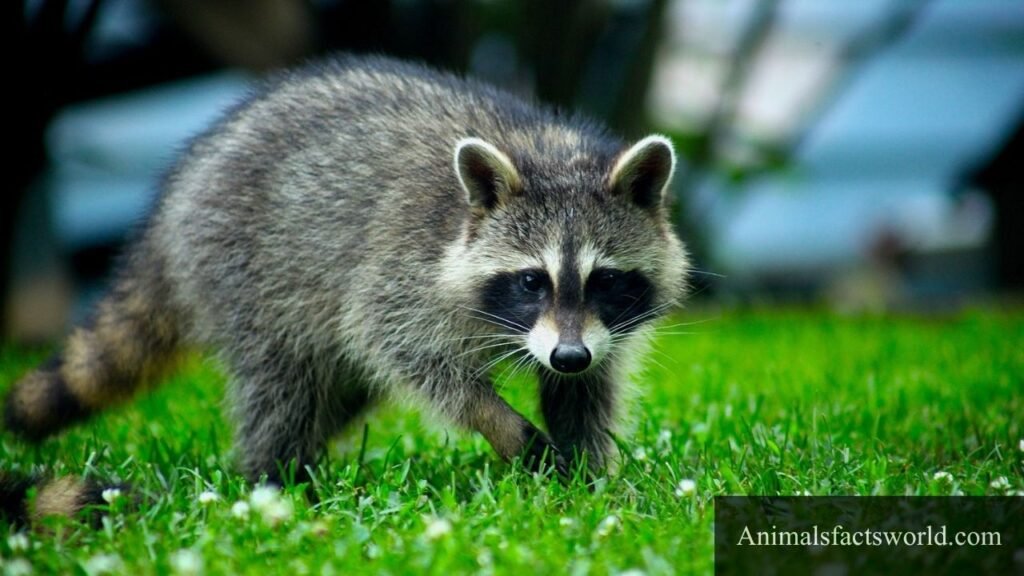
Interestingly, raccoons play an ecological role by controlling wasp populations, helping maintain balance in their habitats. By consuming these pests, they inadvertently support other local wildlife, showcasing the interconnectedness of ecosystems. Moreover, raccoons’ ability to consume such stinging insects reflects their broader dietary flexibility, enabling them to thrive in diverse environments. This behavior prompts us to appreciate the often-overlooked roles of seemingly common animals in our ecosystems and reminds us that nature’s strategies for survival are both fascinating and complex.
Starling
Scientific Name: Sturnus vulgaris
Class: Aves
Diet: Omnivore
Starlings have an unexpected role in the ecosystem as voracious consumers of wasps. These adaptable birds are not just aerial acrobats; they are also savvy foragers, seeking out wasps during late summer when the insects are most abundant. With their agile flight and sharp beaks, starlings can snatch wasps mid-air or pluck them from their nests, navigating the potential stings with impressive agility.
What makes starlings particularly fascinating is their ability to adjust their hunting strategies according to wasp behavior. Unlike many birds that avoid stinging insects, starlings demonstrate remarkable persistence. They often feed in groups, using collective intelligence to locate nests and exploit wasp populations efficiently. This not only helps control the wasp numbers, but it also showcases the starlings’ crucial role in the delicate balance of their habitats, proving that these birds are more than just charming visitors to our gardens; they are key players in maintaining ecological harmony.
Badger
Scientific Name: Meles meles
Class: Mammalia
Diet: Omnivore
Badgers are fascinating creatures, known for their tenacity and resourcefulness, and they have a surprising appetite for wasps. As diligent foragers, these nocturnal mammals use their impressive digging skills to unearth wasp nests nestled underground or hidden in decayed wood. Their thick fur provides a protective shield against stings, allowing them to feast on larvae and adult wasps alike without fear. This unique aspect of their diet not only showcases their adaptability but also plays a role in maintaining ecological balance by controlling wasp populations.
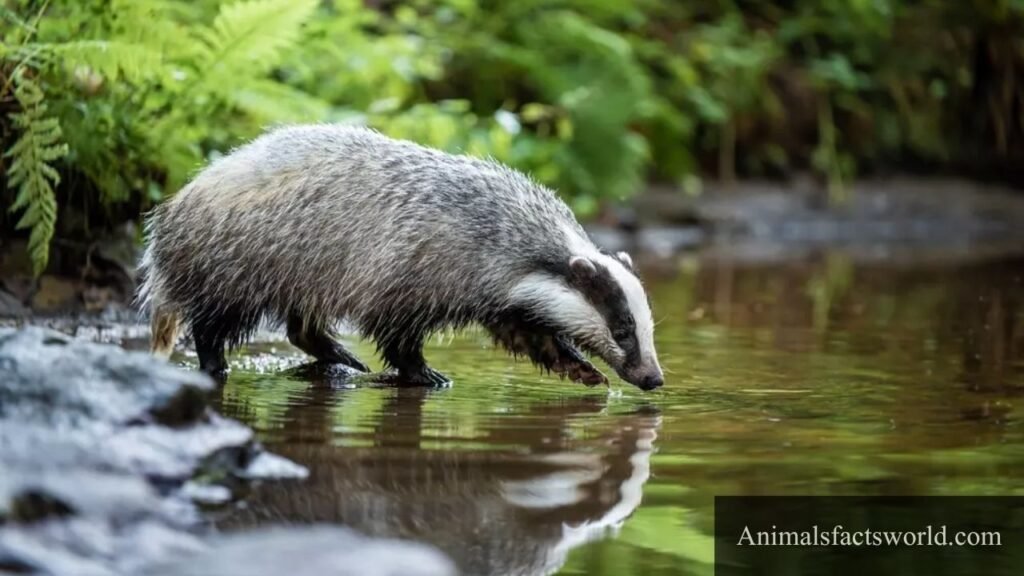
The badger’s relationship with wasps goes beyond mere survival; it’s a testament to nature’s intricate web of interactions. By consuming wasps, badgers inadvertently help other species thrive, as a decline in wasp numbers can benefit various pollinators and other insects. Observing a badger in action — sniffing, digging, and expertly navigating the dangers of a wasp’s defense — reveals a remarkable survival strategy shaped by evolution. Furthermore, these foraging behaviors reflect an intelligence and adaptability that sparks curiosity about how other animals might benefit from similar dietary choices. In essence, the badger’s approach to wasp hunting highlights the interconnectedness of ecosystems and the often-overlooked roles that seemingly small creatures play in our world.
Readmore: Explore Top 17 Animals That Eat Insects
Honey Buzzard
Scientific Name: Pernis apivorus
Class: Aves
Diet: Carnivore
The honey buzzard, a raptor often overlooked in the avian hierarchy, has a remarkable penchant for feasting on wasps. With specialized adaptations, such as a remarkable resistance to venom, this bird exemplifies nature’s unique ingenuity. Its unique feast begins with meticulously locating wasp nests, where other predators might shy away. The honey buzzard uses its keen eyesight to identify wasps in flight, allowing it to soar gracefully towards its target, undeterred by the defensive swarms.
What truly sets the honey buzzard apart is its methodical approach to nest raiding. It often employs a clever strategy: the bird will grab the nest with its powerful talons, flipping it to expose the larvae while artfully avoiding the adult wasps. This not only showcases its intelligence but also highlights the delicate balance of ecosystems, where one species’ pests become another’s delicacy. As these birds contribute to controlling wasp populations, they play an essential role in maintaining ecological harmony. The honey buzzard is a vivid reminder of the intricate relationships within nature — where adaptability and skill turn a seemingly dangerous quarry into a vital food source.
Weasel
Scientific Name: Mustela nivalis
Class: Mammalia
Diet: Carnivore
The weasel showcases an unexpected mastery in the delicate art of wasp hunting. With a lithe body and lightning-fast reflexes, this agile creature deftly maneuvers through tall grass and underbrush, seeking out nests that most animals would avoid. Their keen eyesight and acute sense of smell enable them to locate these nests, often hidden from plain sight. By employing a combination of stealth and speed, weasels can snatch wasps mid-flight or raid their nests after dark, showing a remarkable fearlessness in the face of potential stings.
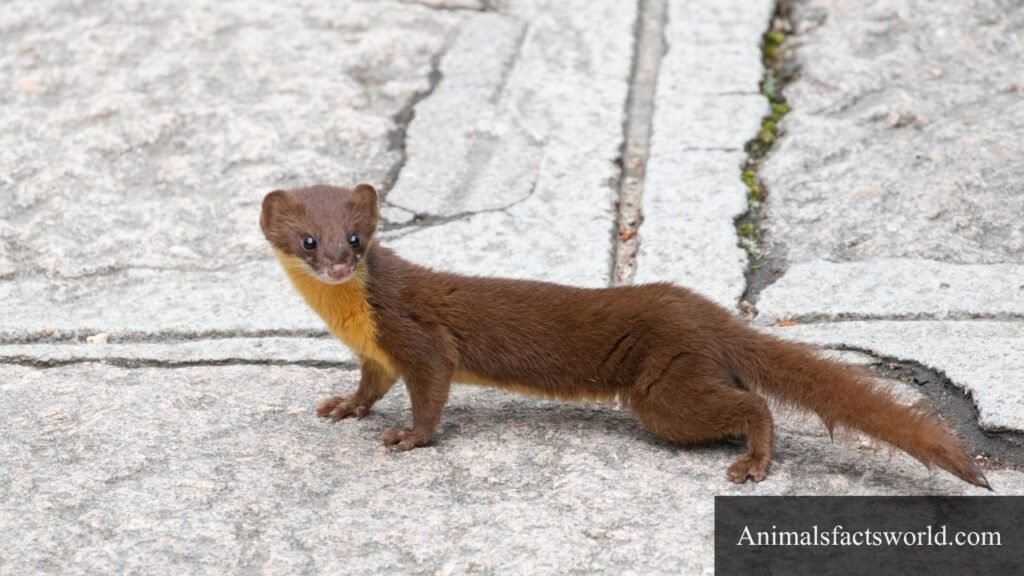
What makes this behavior even more intriguing is the weasel’s unique adaptation to venom. Unlike other animals that might shy away from such a risk, weasels have a remarkable ability to tolerate some level of venom, allowing them to feast on the protein-rich insects without suffering significant harm. This dietary choice offers them not only sustenance but also the chance to refine their hunting skills, showcasing nature’s ability to intertwine survival and adaptation in the most unexpected ways. In a world where many shy away from the perilous, the weasel thrives, turning what could be a hazardous encounter into a masterclass in predation.
Kestrel
Scientific Name: Falco tinnunculus
Class: Aves
Diet: Carnivore
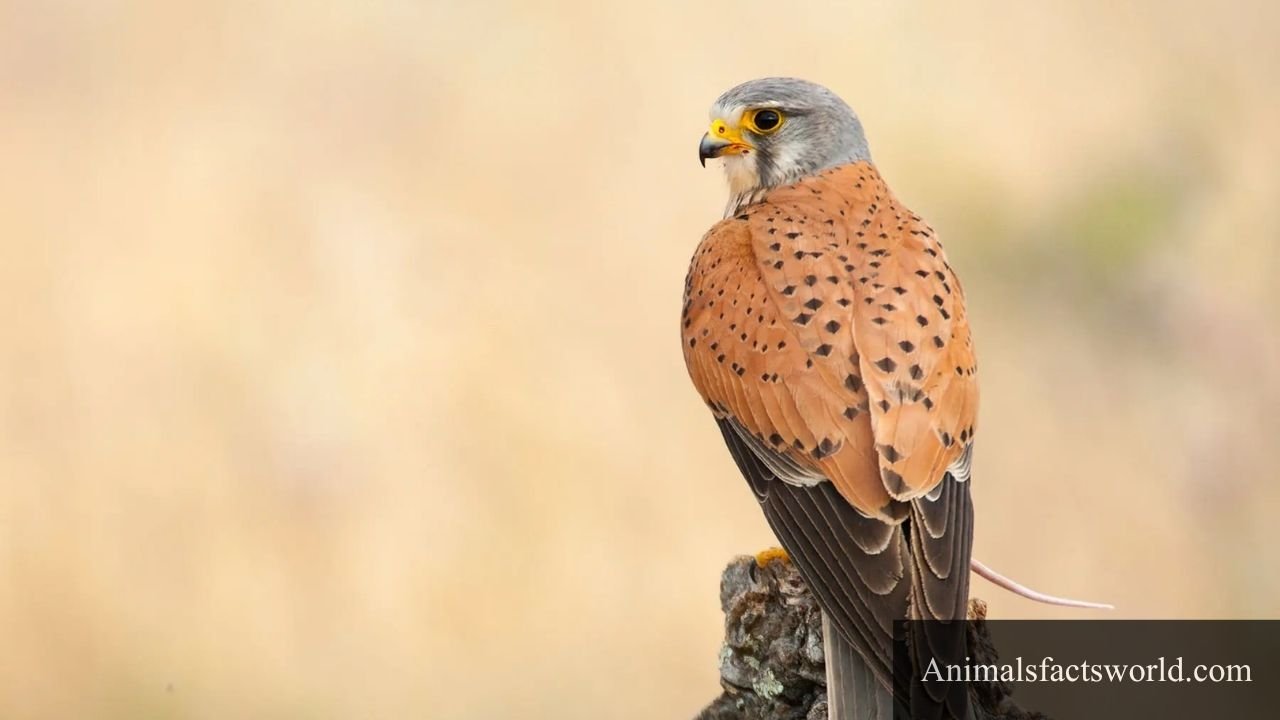
The kestrel, a small but mighty bird of prey, is an unexpected yet proficient hunter of wasps. With its keen eyesight, a kestrel can spot a wasp from considerable heights, showcasing its incredible adaptability in the avian world. These birds exhibit remarkable agility and precision, allowing them to snatch wasps mid-flight or pick them out from nests, demonstrating not just strength but also a calculated strategy that many other predators lack.
Interestingly, the kestrel’s ability to consume wasps may stem from its innate need to diversify its diet, especially during summer months when wasp populations burgeon. This dietary choice not only showcases the kestrel’s versatility but also positions it as an ecological player in controlling wasp populations, mitigating the often-overlooked impacts of these insects on local ecosystems. By diving into this niche hunting ground, kestrels not only survive but thrive, proving that even the smallest of predators can have a significant environmental role.
Tree Squirrel
Scientific Name: Sciurus vulgaris
Class: Mammalia
Diet: Omnivore
Tree squirrels are surprisingly adept at taking on the challenge of wasp hunting. With their sharp vision and agile movements, these critters have evolved to navigate their treetop habitats while keeping a sharp lookout for nests. Unlike many animals that shy away from insects, tree squirrels display a certain bravado when it comes to wasps, often targeting vulnerable nests early in the morning or late in the evening when activity is low. This daring behavior not only showcases their adaptability but also illustrates the delicate balance of their ecosystem.
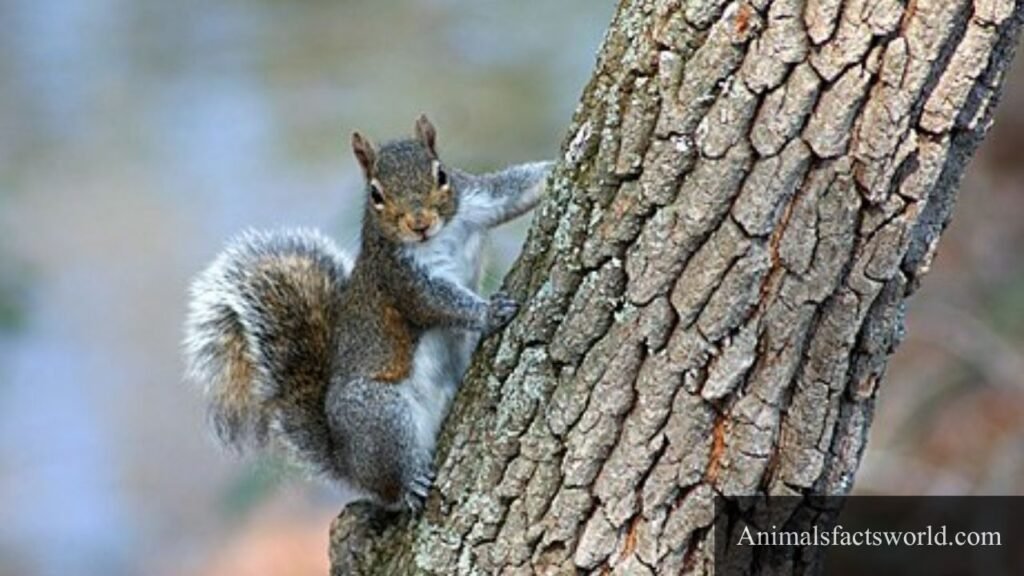
What’s fascinating is that engaging with wasps provides essential nutritional benefits for tree squirrels. The protein-rich larvae found within wasp nests make for a highly rewarding snack, especially during the leaner months when other food sources may be scarce. This dietary diversity helps squirrels maintain their energetic lifestyle, allowing them to scamper through the trees with agility and grace. Moreover, by preying on these stinging insects, squirrels also play an indirect role in controlling wasp populations, contributing to a healthier environment within their territories. This remarkable interplay between species highlights the intricate web of life in which even the smallest participants play a pivotal role.
Blackbird
Scientific Name: Turdus merula
Class: Aves
Diet: Omnivore
The blackbird, a common sight in gardens and parks, showcases remarkable adaptability in its diet. While primarily known for its penchant for insects and fruits, this feathered forager also takes on wasps, displaying both bravery and resourcefulness. With keen eyesight, a blackbird can spot a wasp navigating through the air or hovering near a nest, instantly seizing the opportunity for a protein-rich snack. Their adept foraging techniques involve rapid pecks and agile maneuvers, showcasing a dance of survival that captivates onlookers.
What’s particularly fascinating is the blackbird’s timing and strategy. In late summer, when wasp populations peak, blackbirds strategically target nests, exploiting the wasps’ heightened activity and aggression. This not only allows them to consume the wasps but also helps control their numbers — a natural balance in the ecosystem. Observing this brave little bird tackle such a formidable foe adds a layer of respect towards their role in the food chain. In essence, the blackbird transforms into a miniature predator, reflecting the complex interactions that maintain nature’s equilibrium.
Bear
Scientific Name: Ursus arctos
Class: Mammalia
Diet: Omnivore
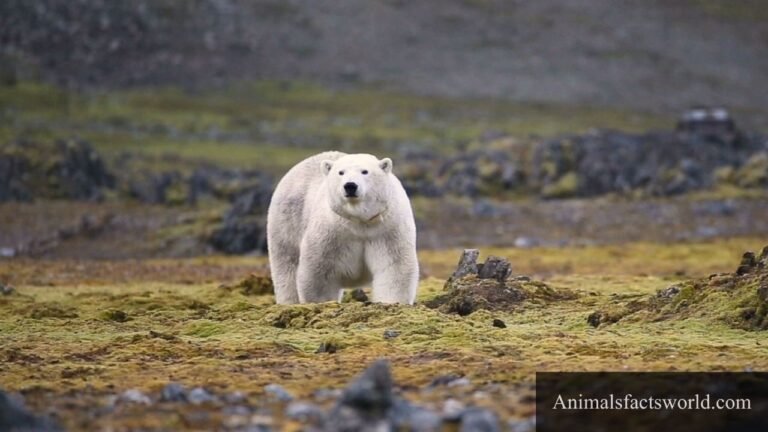
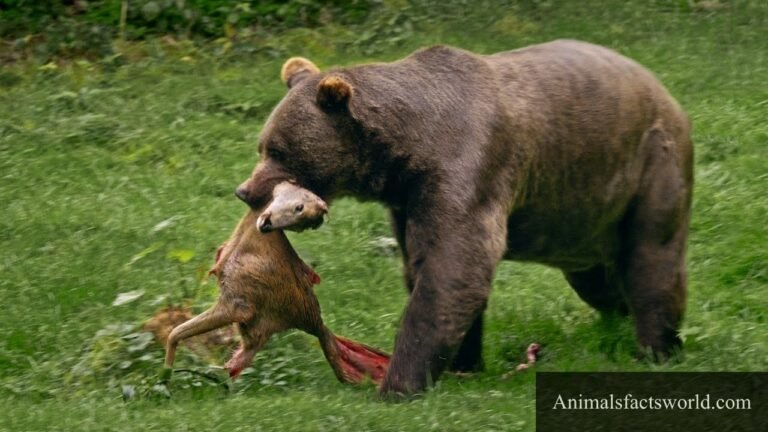
Bears are surprisingly adept at dealing with the prickly problem of wasps. Their keen sense of smell allows them to locate nests, often hidden in tree hollows or underground. Once they pinpoint a wasp colony, these formidable foragers employ a mix of brute strength and patience. By clawing at the nest, they can destroy it while enduring the stings, showcasing a remarkable resilience. This behavior underscores their adaptability, as they’ll consume wasps not only for the protein but also for the fats found in larvae.
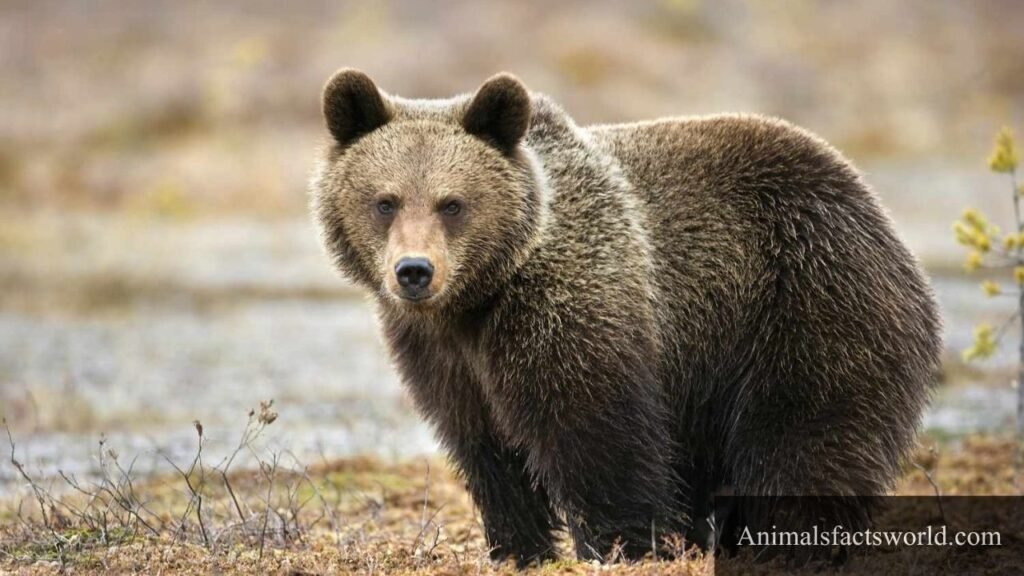
What’s fascinating is the bear’s strategic approach. They often avoid the most aggressive wasps by targeting nests during the cooler parts of the day, when the insects are less active. This behavior highlights a keen understanding of their ecosystem, showcasing bears as more than mere opportunistic eaters. In consuming wasps, bears play a pivotal role in regulating wasp populations, demonstrating the intricate balance within their habitats. Such interactions remind us that the food web is a complex tapestry, where even the mightiest predators have their own quirky culinary techniques.
Hawk
Scientific Name: Accipiter cooperii
Class: Aves
Diet: Carnivore
Hawks, with their keen eyesight and impressive aerial agility, are not just masterful hunters of small mammals and birds; they also have a taste for wasps. This fascinating predilection allows these raptors to tap into a less conventional food source that many animals avoid. With their sharp talons and powerful beaks, hawks are well-equipped to tackle even the most aggressive wasp species, using their speed and precision to snatch these buzzing insects mid-air or from their nests.
Interestingly, hawks seem to exhibit a unique behavior when preying on wasps. They often watch their target from a distance, waiting for the opportune moment to strike, showcasing their intelligence and strategic hunting techniques. This preference for wasps may not only provide a reliable source of protein but also plays a crucial role in controlling wasp populations, ultimately contributing to the ecological balance within their habitats. Observing a hawk take on a swarm can be a thrilling testament to nature’s interplay of predator and prey in a dynamic ecosystem.
Woodpecker
Scientific Name: Dendrocopos major
Class: Aves
Diet: Omnivore
The woodpecker, with its vibrant plumage and distinctive drumming, is a fascinating avian predator that selectively targets wasps among its diverse diet. Equipped with long tongues that can extend far beyond their beaks, woodpeckers expertly extract wasps from their nests, showcasing both agility and precision. This hunting strategy not only highlights their adaptability but also reflects a unique ecological niche; by preying on wasps, woodpeckers play a vital role in controlling pest populations.
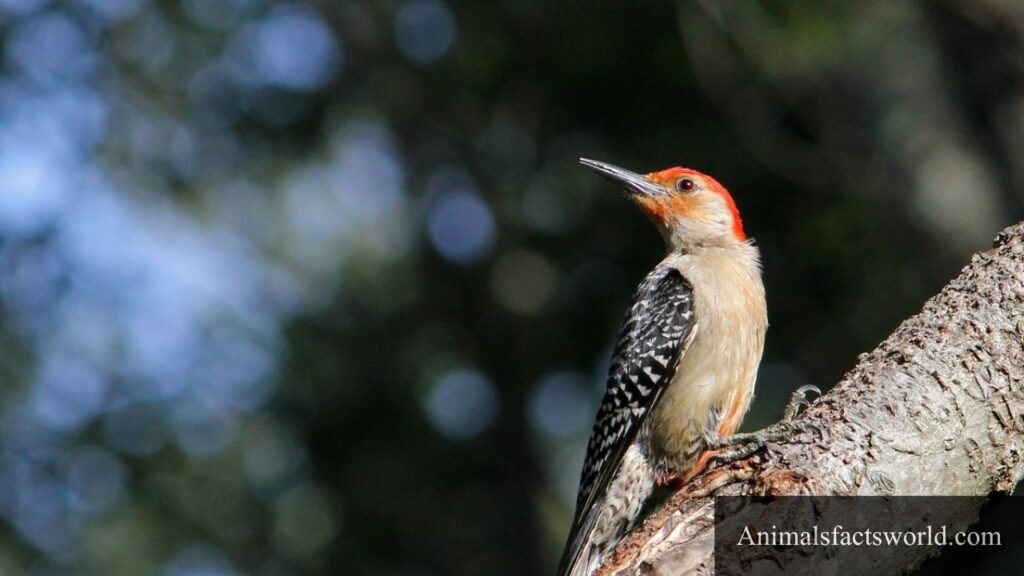
Interestingly, woodpeckers often use their drumming to communicate and assert territory, but this behavior also serves a dual purpose when hunting. The vibrations created can disturb nearby wasp nests, making the insects more susceptible to surprise attacks. Observing a woodpecker in action reveals a blend of instinct and intelligence, as the bird balances the risks of encountering painful stings with the rewards of a protein-rich meal, reminding us of the intricate dynamics of predator and prey in nature’s grand design.
Chickadee
Scientific Name: Poecile atricapillus
Class: Aves
Diet: Omnivore
Chickadees, the tiny yet bold songbirds, demonstrate a fascinating relationship with wasps that showcases their adaptability and resourcefulness. These curious creatures are not just seed lovers; during summer months, they actively hunt for insects, including the pesky wasp. Their agile flight and quick movements allow them to snatch insects mid-air or pick them off from foliage, showcasing their impressive aerial agility and sharp instincts.
Observing a chickadee take on a wasp offers a glimpse into its complex foraging behavior. These birds have developed specific techniques to tackle the challenge posed by wasps. By targeting young wasps or scouting out nests, they minimize the risks associated with tackling the stinging insects. Moreover, their vocalizations serve a dual purpose, communicating with fellow chickadees to signify the presence of a potential food source while also alerting them to any nearby dangers. In a world where many birds shy away from such confrontations, the chickadee’s fearless attitude not only aids its survival but also plays a crucial role in maintaining the ecological balance by controlling wasp populations.
Bat
Scientific Name: Pipistrellus pipistrellus
Class: Mammalia
Diet: Carnivore
Bats play a crucial role in managing wasp populations. These agile creatures, particularly species like the little brown bat, employ sophisticated echolocation to navigate through the dark, identifying wasps mid-flight. This natural pest control not only keeps their ecosystems balanced but also minimizes the chance of wasp overpopulation, which can lead to increased aggression and stings for humans and pets alike.

Interestingly, bats are not just opportunistic feeders; they exhibit remarkable hunting strategies. Some species can glean insects directly off surfaces, showcasing an innate agility that allows them to snatch wasps from plants and structures, ensuring they capitalize on this protein-rich food source. By understanding this unique interplay, we can appreciate how bats contribute to both biodiversity and agricultural health. Promoting bat habitats in our backyards, such as installing bat houses, can foster these natural predators and, in turn, enhance our environment’s resilience against pesky wasp invasions.
Wren
Scientific Name: Troglodytes troglodytes
Class: Aves
Diet: Carnivore
Wrens are tiny birds with a big appetite for wasps, showcasing their remarkable adaptability and resourcefulness. These sprightly creatures have developed an instinctive knack for hunting these stinging insects, often found darting among grass and brushwood, where they forage with precision. Their keen eyesight allows them to spot wasps as they flit about, and their agile movements ensure they can approach without startling their prey.
Interestingly, the wren’s diet, primarily consisting of insects, makes it an unsung hero in maintaining ecological balance. By targeting wasps and other pests, these birds control populations that could otherwise swarm and affect local ecosystems. This relationship illustrates how even the smallest players in nature can have a significant impact, reminding us of the interconnectedness of species and the delicate dance of predator and prey in the wild.
Magpie
Scientific Name: Pica pica
Class: Aves
Diet: Omnivore
Magpies are not just striking black-and-white birds known for their intelligence and adaptability; they also play a vital role in controlling local ecosystems by feasting on pests, including wasps. Their keen eyesight enables them to spot potential nests and approach these perilous patches of nature with calculated strategy. With their agile movements and sharp beaks, magpies can extract wasps from their nests, showcasing not just bravery but an impressive level of dexterity.
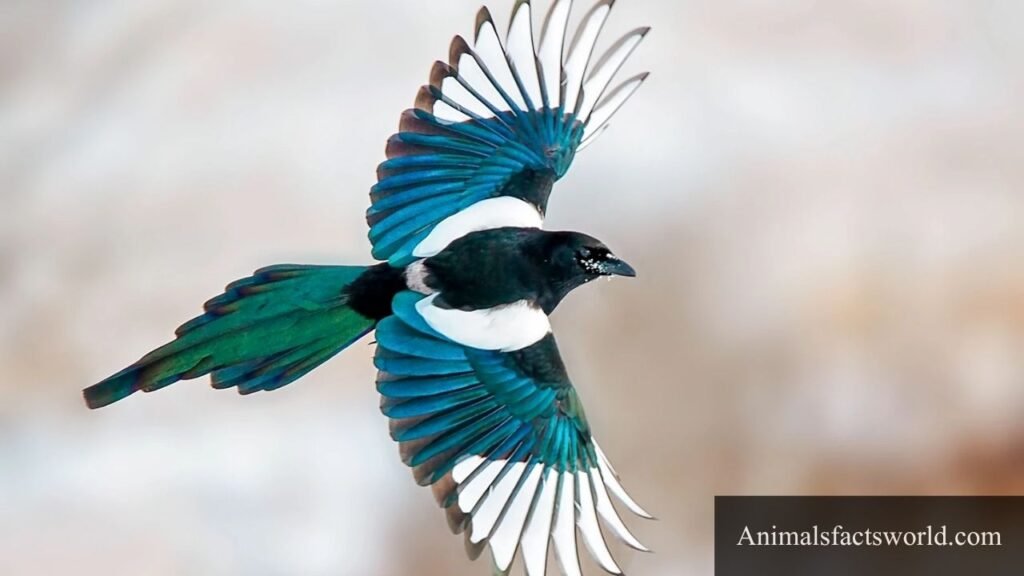
Interestingly, this predilection for wasps isn’t merely about survival; it reflects the magpie’s more extensive foraging behavior. By integrating insects like wasps into their diet, these birds help maintain a balance within their habitat, reducing the population of stinging pests that could otherwise disrupt local biodiversity. Observing magpies in action provides a fascinating glimpse into the complexity of food webs, where each species plays its part in ensuring ecological equilibrium. As they elegantly swoop through the air, magpies remind us that the natural world is filled with interconnected roles that highlight both instinct and intelligence.
Readmore: Explore Top 15 Animals That Eat Worms
Final Thoughts
The fascinating interactions between animals and wasps highlight the complexities of nature’s food web. Creatures like honeybadgers and various bird species not only help manage wasp populations but also demonstrate the resourcefulness of wildlife in adapting to challenges. Understanding these relationships emphasizes the need for conservation efforts to protect both predators and prey, ensuring a healthy environment for all species involved. As we continue to explore the natural world, let us recognize and celebrate the essential roles that these animals play.
FAQs
Who eats a wasp?
Various animals include wasps in their diets. Birds, particularly those that are adept at catching insects, often feast on wasps. They can snatch them mid-air or pick them off flowers. Other insects, like some species of spiders and certain predatory beetles, also target wasps, finding them a nutritious source of protein. Mammals like raccoons and bears may consume wasps, especially when foraging for food. They tend to eat them more opportunistically, raiding nests when they come across them.
What eats wasps and hornets?
Several predators enjoy feasting on wasps and hornets. Birds like the European starling and sparrows are known to snatch these insects mid-flight. Certain mammals, such as badgers and raccoons, will also dig into nests for a quick snack, despite the risk of stings. Some insects, such as dragonflies and certain species of spiders, actively hunt wasps and hornets.
Do birds eat wasps?
Yes, some birds do eat wasps. Birds like blue jays, mockingbirds, and certain types of sparrows are known to include wasps in their diet. They tend to take advantage of the wasps when they’re less active, such as in cooler weather or when they’re foraging near nests.
Do dragonflies eat wasps?
Yes, dragonflies do eat wasps, among other insects. As skilled hunters, dragonflies primarily feast on mosquitos, flies, and other small insects, but they won’t pass up an opportunity to snag a wasp if they can catch one. Their agile flight and sharp reflexes make them effective predators.