Top 13 Animals That Eat Roaches (With Pictures)
Enter the realm of “Animals That Eat Roaches,” where we delve into a variety of creatures that see these critters as a tasty snack. This article will reveal the surprising role that these predators play in the ecosystem, and how they can inadvertently help humans by reducing roach populations. Join us as we uncover the natural enemies of cockroaches and learn how they contribute to a healthier environment.
List of Animals That Eat Roaches
Here is the list of animals that eat roaches:
- Parasitic wasps
- Toads
- Ants
- Mice
- Silverfish
- Cockroaches
- Lizards
- Beetles
- Shrews
- Spiders
- Frogs
- Fungi
- Rats
Parasitic wasps
Scientific Name: Chalcidoidea, Braconidae, Evaniidae (various)
Class: Insecta
Diet: Carnivore
Parasitic wasps play an astonishingly vital role in managing cockroach populations. Their life cycle is nothing short of fascinating: these tiny predators locate their roach prey and lay eggs inside them. As the larvae develop, they consume their host from within, leading to a macabre yet effective form of population control. This natural phenomenon not only showcases the brutal elegance of the insect kingdom but also highlights a balance in ecosystems that many might find unsettling yet awe-inspiring.
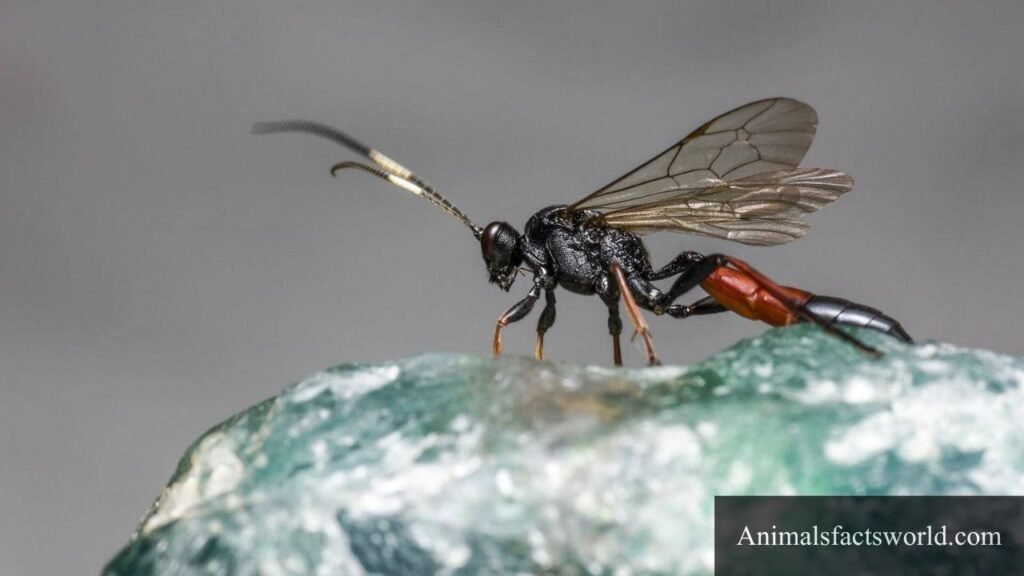
What sets these wasps apart is their specific targeting and the surprising variety within this niche group. With thousands of species, each has evolved unique methods for finding and incapacitating different roach species, demonstrating a remarkable level of specialization. Their behavior raises questions about the complexity of host-parasite relationships and their ecological implications, emphasizing that even the smallest creatures can incite significant biological interactions. This invites us to reconsider our perception of pests and their natural enemies, reminding us that in the tangled web of life, there are intricacies hidden just below the surface.
Toads
Scientific Name: Bufonidae
Class: Amphibia
Diet: Carnivore
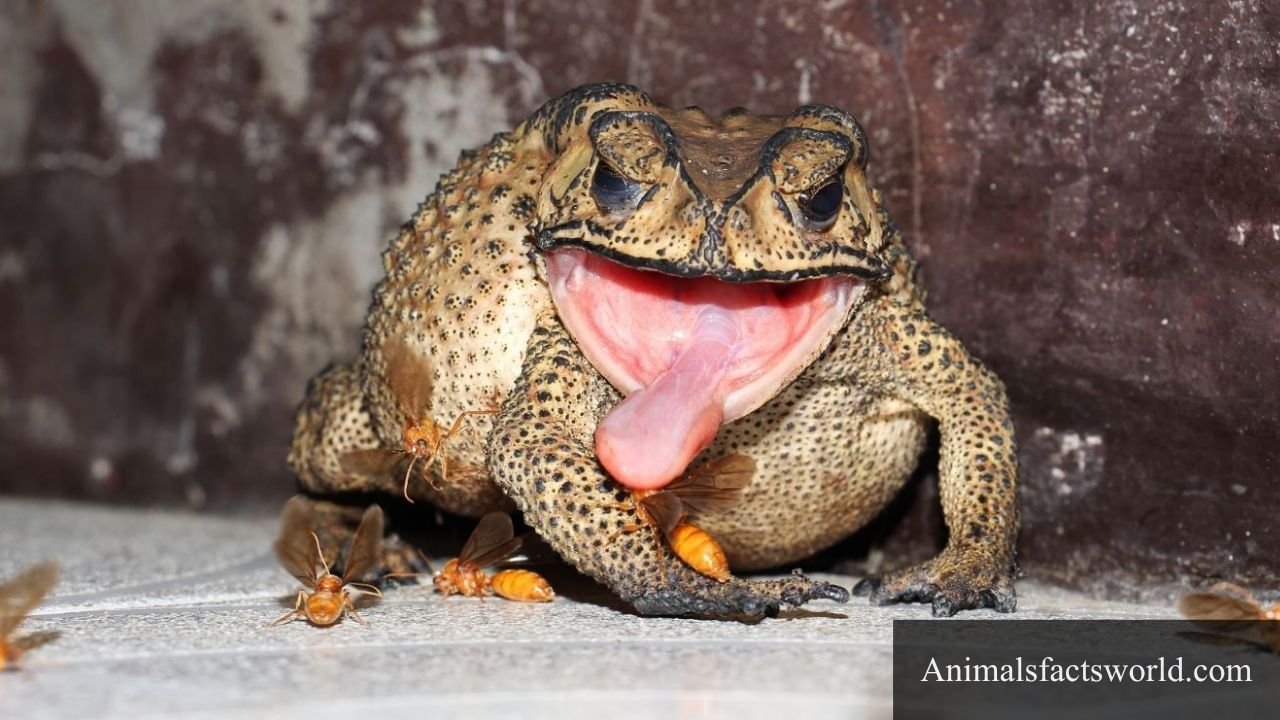
Toads are natures most overlooked pest controllers, playing a crucial role in keeping cockroach populations in check. These amphibians are not just passive bystanders in the ecosystem; their diet is a testament to their predatory prowess. With their long, sticky tongues, toads can capture roaches in the blink of an eye, quickly consuming them with a satisfying snap. This predation not only helps maintain a natural balance but also allows for a fascinating glimpse into the food web, where every creature, no matter how small, plays its part.
What sets toads apart from other predators is their unique hunting strategy. They tend to remain motionless, camouflaged among leaves and debris, waiting for the perfect moment to strike. This patience, combined with their ability to consume larger prey than many would expect, makes them formidable in the battle against roaches. Furthermore, their nocturnal nature means they are actively hunting when cockroaches are most active, creating a dynamic predator-prey relationship that benefits the entire ecosystem. So, the next time you see a toad lounging in your garden, appreciate its role as an unsung hero in the fight against unwanted pests.
Ants
Scientific Name: Formicidae
Class: Insecta
Diet: Omnivore
Ants play a surprisingly pivotal role in controlling roach populations. These social insects exhibit a remarkable cooperative behavior that highlights their efficiency as predators. When a troop of ants spots a roach, they don’t just attack individually; they swarm, coordinating their effort to overpower much larger prey. This collective hunting strategy not only ensures sustenance but also underscores their evolutionary adaptability and social structure.
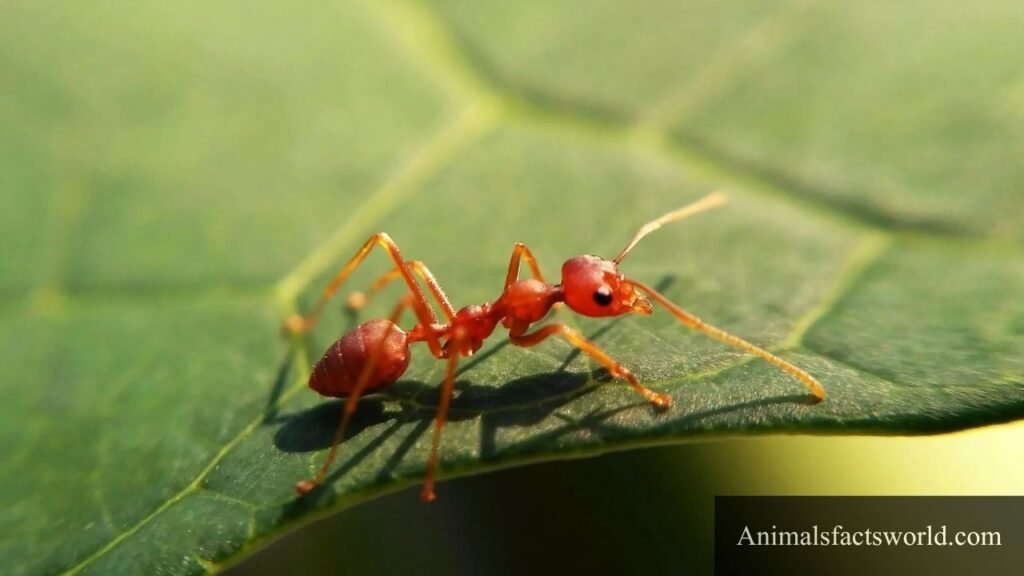
Ants have developed specialized foraging patterns that allow them to exploit the roach’s vulnerabilities effectively. Their keen sense of smell helps them track down roach nests, and once located, they can decimate populations with astonishing speed. In this predator-prey relationship, ants not only act as a natural pest control but also contribute to the ecological balance, ensuring that roaches don’t dominate and disrupt their environments. The next time you see ants scuttling across your kitchen floor, consider their unassuming role as guardians against one of our more unwelcome household guests.
Readmore: Explore Top 15 Animals That Eat Snails.
Mice
Scientific Name: Mus musculus
Class: Mammalia
Diet: Omnivore
Mice are often seen as mere pests, but their role as natural predators of cockroaches is both fascinating and essential. These small mammals possess an incredible adaptability, thriving in various environments, which enables them to find enough food resources, including the ever-unwelcome roach. Their keen sense of smell and nocturnal nature make them effective hunters, allowing them to forage in dark corners where cockroaches typically hide.
Mice contribute to the ecological balance by keeping cockroach populations in check. This natural predation helps mitigate the potential for diseases transmitted by these insects, highlighting an intricate dance of nature where each species plays a part in maintaining order. Interestingly, the presence of mice in urban areas may sometimes signify a lessening of cockroach populations, suggesting that nature has its unique ways of regulating creatures that thrive in human habitats. Thus, understanding the relationship between mice and roaches opens up a broader conversation about the interconnectedness of urban wildlife and the hidden benefits that come from what we commonly perceive as pests.
Silverfish
Scientific Name: Lepisma saccharinum
Class: Insecta
Diet: Omnivore
Silverfish might not seem like formidable predators, but they actually have a fascinating diet that includes cockroaches. These ancient creatures have adapted to thrive in a variety of environments, and their preference for starchy substances like paper and fabric makes them opportunistic hunters in the right conditions. By targeting young or injured roaches, silverfish play a unique role in the ecosystem, helping to keep these notorious pests in check.
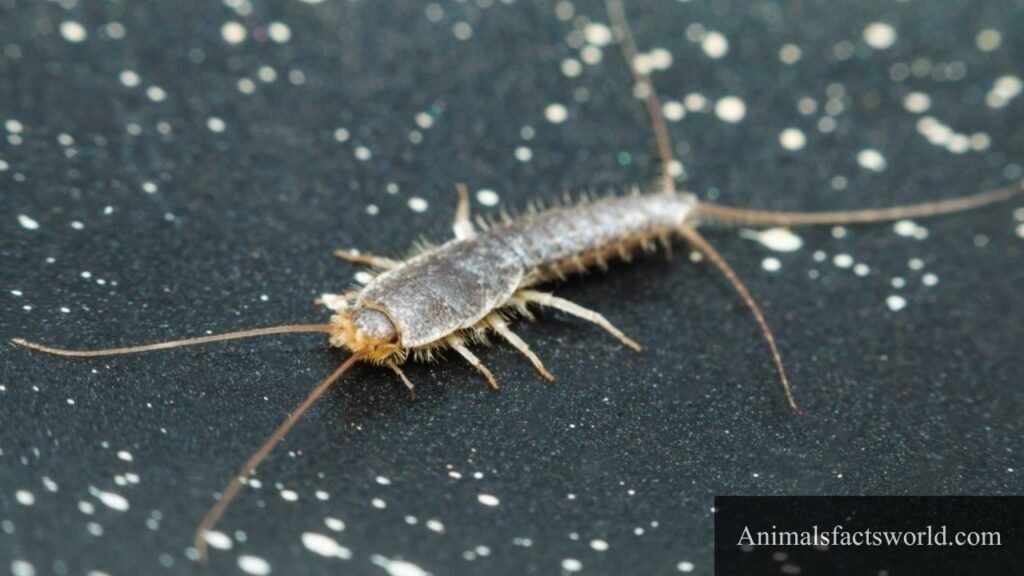
What’s particularly interesting about silverfish is their resilience. They’ve been around for over 400 million years, showcasing an incredible ability to adapt and survive alongside the less agreeable roaches. When food sources dwindle, silverfish can turn their attention to other insects, including roaches, making them versatile scavengers. This adaptability not only ensures their survival but also highlights their ecological importance in controlling pest populations in habitats where they coexist. The next time you spot a silverfish, remember that it’s more than just a nuisance; it’s a secret ally in the ongoing battle against household pests!
Other Cockroaches
Scientific Name: Blattodea
Class: Insecta
Diet: Omnivore
Cockroaches are not only survivors but also opportunistic feeders, sometimes turning on each other in cannibalism. This behavior can be attributed to the intense competition for food and resources, especially in overcrowded environments. When resources dwindle, cockroaches display a surprising adaptability, resorting to consuming their own species for sustenance. This grim strategy not only ensures their survival but also highlights the brutal realities of life in the wild, where the line between predator and prey blurs.
Cockroaches don’t just indulge in this behavior out of desperation; it also serves a reproductive advantage. Females, laden with eggs, may consume weaker or deceased males, a form of natural selection that ensures that only the fittest offspring are nurtured. This lifestyle reflects the cockroaches’ remarkable resilience and adaptability, allowing them to thrive in various environments, including our own homes. So, the next time you see a cockroach scuttling away, remember its complex role in the ecosystem — not just as a pest but as a cunning survivor that embodies the harsh truths of nature’s cycle.
Lizards
Scientific Name: Lacertilia
Class: Reptilia
Diet: Carnivore
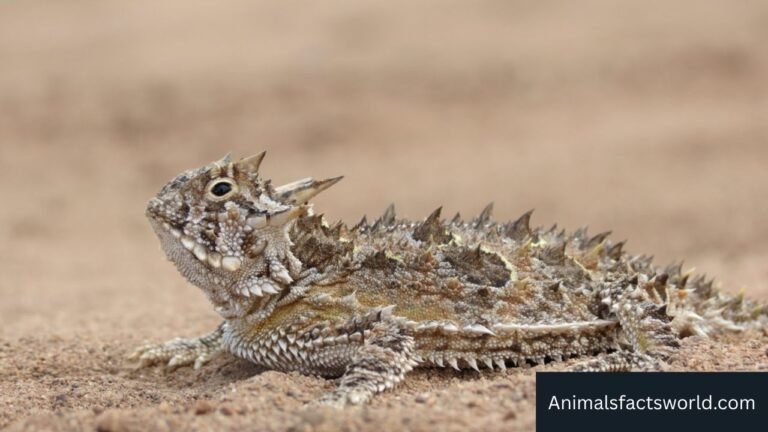
Lizards play a vital role in household ecosystems, particularly when it comes to keeping cockroach populations in check. With their agile bodies and quick reflexes, these creatures are adept at spotting and catching roaches, making them an integral part of the ecosystem. Certain species, like the green anole and the spiny lizard, have developed specialized hunting techniques, using their keen eyesight to track down these elusive insects amidst foliage and debris.
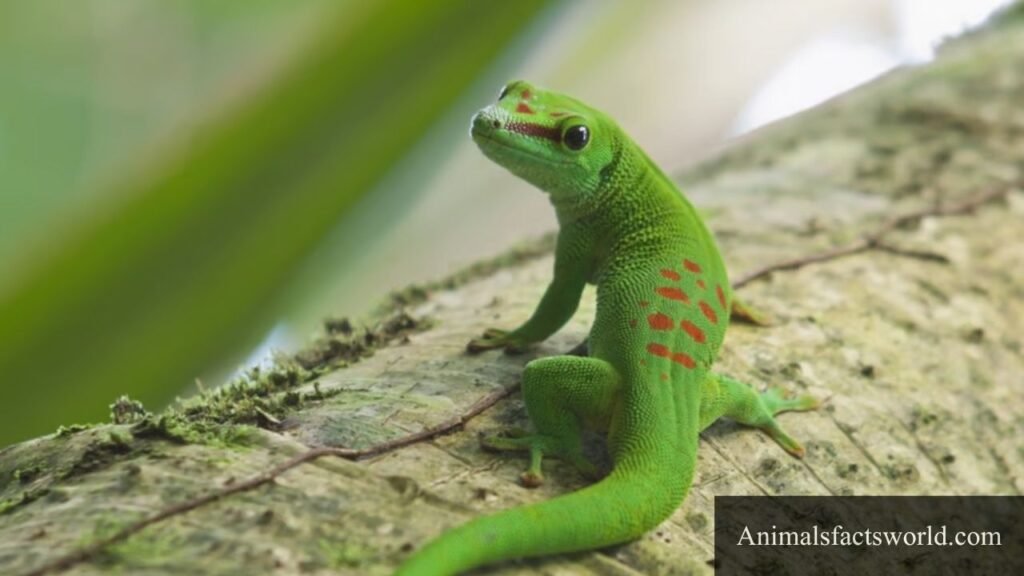
Lizards also play a fascinating role in the broader narrative of biodiversity. By preying on roaches, they help maintain a balanced food web, preventing any one species from overwhelming the ecosystem. This natural pest control method can reduce the need for chemical pesticides, encouraging a healthier environment for both humans and wildlife. Observing lizards in action can also offer a glimpse into the intricacies of predator-prey dynamics, revealing how each species adapts and evolves in the face of environmental pressures.
Beetles
Scientific Name: Coleoptera
Class: Insecta
Diet: Omnivore
Beetles play a crucial role as natural pest controllers, particularly when it comes to the infamous cockroach. Among the vast array of beetle species, the rove beetle stands out due to its hunting prowess. Equipped with an agile body and a keen sense of smell, rove beetles actively seek out roaches in decaying organic matter, highlighting their importance in maintaining ecological balance. Their ravenous appetite not only limits roach populations but also contributes to the decomposition process, ensuring a healthier environment.
The relationship between beetles and roaches goes beyond mere predation. Some beetles, like the ladybird beetle, have even been observed opportunistically scavenging on dead roaches. This behavior serves as a reminder of the interconnectedness of ecosystems, where every creature, regardless of size, plays a part in the grand tapestry of life. In this symbiotic dance, beetles not only thrive on various pests but also become vital allies in agriculture by promoting healthier crops, making them unsung heroes in the battle against unwanted infestations.
Shrews
Scientific Name: Soricidae
Class: Mammalia
Diet: Carnivore
Shrews are fascinating predators in the battle against cockroach populations. These tiny mammals possess a ravenous appetite, consuming up to three times their body weight in food daily. Their high metabolic rate necessitates this voracious feeding, making them efficient hunters that help keep household pests in check. But it’s not just their diet that’s intriguing; shrews also rely on a unique hunting strategy that showcases their remarkable adaptations.
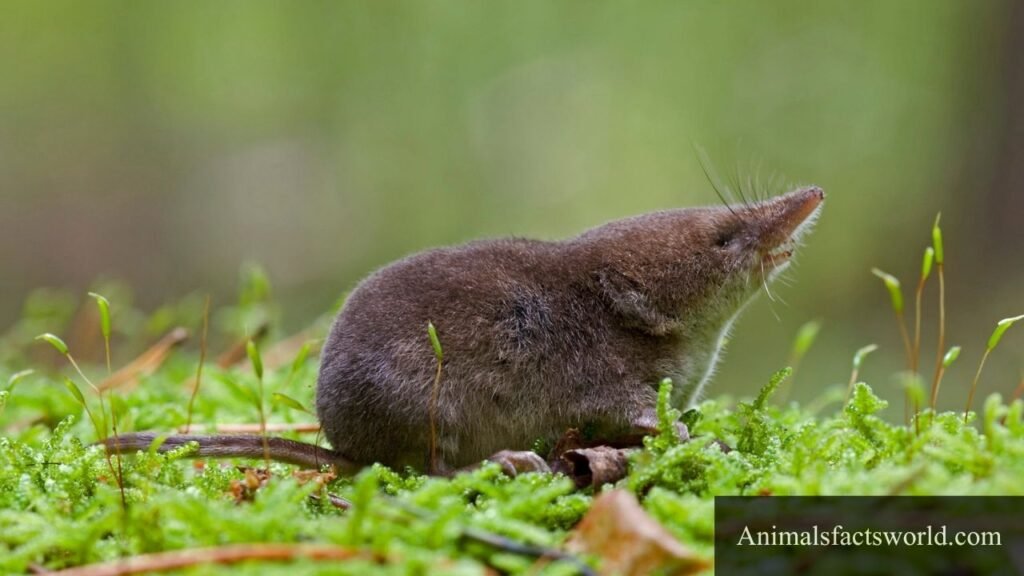
Equipped with sharp teeth and a keen sense of smell, shrews can locate roaches even in the dimmest conditions. Their ability to navigate through debris and tight spaces allows them direct access to the nooks and crannies where roaches often hide. Furthermore, shrews possess venomous saliva that can immobilize their prey, ensuring a quick and effective kill. This potent combination of agility and predatory skills positions them as unsung heroes in the ecosystem, balancing food webs and demonstrating the intricate relationships between species. Their role in controlling roach populations reminds us of the interconnectedness of life and the vital importance of every creature, no matter how small.
Spiders
Scientific Name: Araneae
Class: Arachnida
Diet: Carnivore
Spiders also play surprisingly vital roles against roaches, turning these pesky intruders into mere appetizers in the grand scheme of the food web. Equipped with an array of specialized hunting techniques, such as a silk-woven web to ensnare their prey or the stealth of a ambush predator, spiders are meticulously efficient. Their ability to sense vibrations helps them zero in on the erratic movements of roaches, making them formidable foes.
What’s fascinating is that not all spiders hunt in the same way; some, like wolf spiders, actively chase down their prey, while orb-weavers rely on traps. This diversity allows them to thrive in various environments, from your garden to house corners where roaches tend to gather. Furthermore, the stomach enzyme of spiders is uniquely adapted to liquefy their prey, allowing them to absorb nutrients more efficiently — indeed, nature’s very own pest control team. In ecosystems, they play a critical role in regulating roach populations and contributing to the balance of life that keeps our surroundings healthy.
Frogs
Scientific Name: Anura
Class: Amphibia
Diet: Carnivore
Frogs are remarkable hunters, often feasting on roaches. Armed with long, sticky tongues, these amphibians can snatch their prey with lightning speed, a skill honed through evolution to ensure survival. A single flick of their tongue can capture a roach, showcasing not just precision but an evolutionary mastery of ambush tactics that many insectivorous creatures lack.
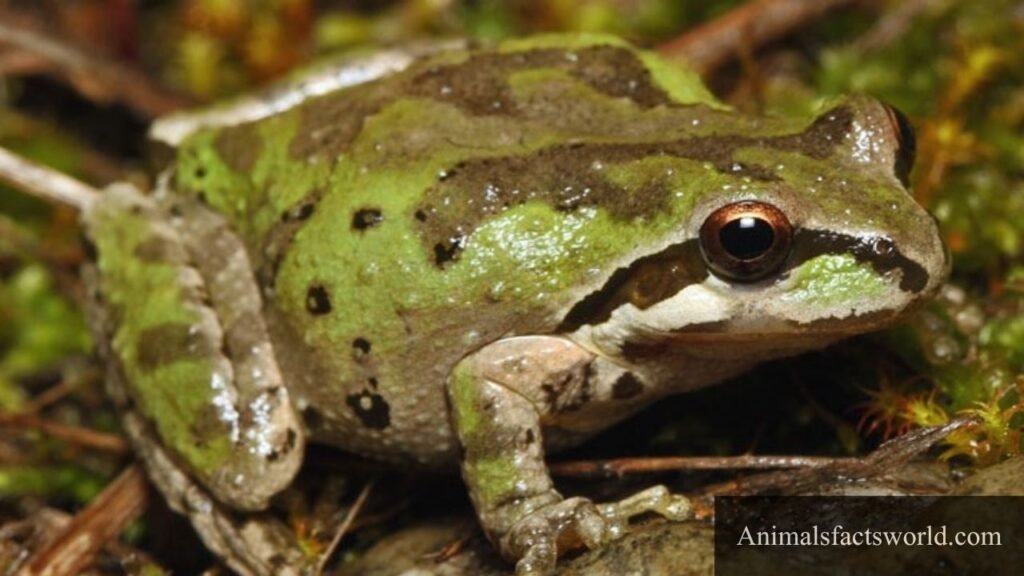
What sets frogs apart is their varied habitats and feeding methods. While some species lie in wait at the water’s edge, others venture into the heart of urban environments, where they capitalize on the abundance of roaches drawn to artificial lights. This adaptability allows frogs to thrive in diverse ecosystems, making them key players in maintaining pest control. By eating roaches, they inadvertently serve as a natural pest management solution — demonstrating how interconnected the web of life truly is. Each frog contributes to a balanced ecosystem, all while showcasing nature’s ingenious designs in predation.
Fungi
Scientific Name: Cordyceps / Entomophthorales
Class: Ascomycetes / Entomophthoromycetes
Diet: Carnivore
Fungi, often overlooked in the animal kingdom, play a crucial role in controlling cockroach populations. Certain fungi, particularly entomopathogenic species, are specialized parasites that infect insects, thriving within their bodies. When a cockroach becomes infected, the fungi manipulate its behavior, often leading the roach to seek environments conducive to fungal growth, thereby ensuring the fungi’s spread. This fascinating form of biological control showcases nature’s intricate balance, revealing how even the smallest organisms can act as powerful predators in their ecosystems.
The relationship between fungi and their roach hosts highlights the interconnectedness of life forms. As fungi consume the nutrients from the cockroach’s tissues, they not only facilitate the recycling of organic matter but also contribute to the decline of pest populations. Interestingly, research suggests that certain fungi even produce chemicals that attract other predators, effectively using the dying roach to create a buffet for additional species. This multi-layered interaction reflects a complex web of survival strategies, where fungi emerge as unsung heroes in pest management.
Rats
Scientific Name: Rattus
Class: Mammalia
Diet: Omnivore
Rats are actually nature’s efficient scavengers, playing a critical role in controlling cockroach populations. With their keen sense of smell and adaptability, these small mammals excel in urban environments where roaches thrive. Contrary to popular belief, they are not merely opportunistic eaters; their diet preferences make them skilled predators of cockroaches, contributing to a natural balance in the ecosystem.
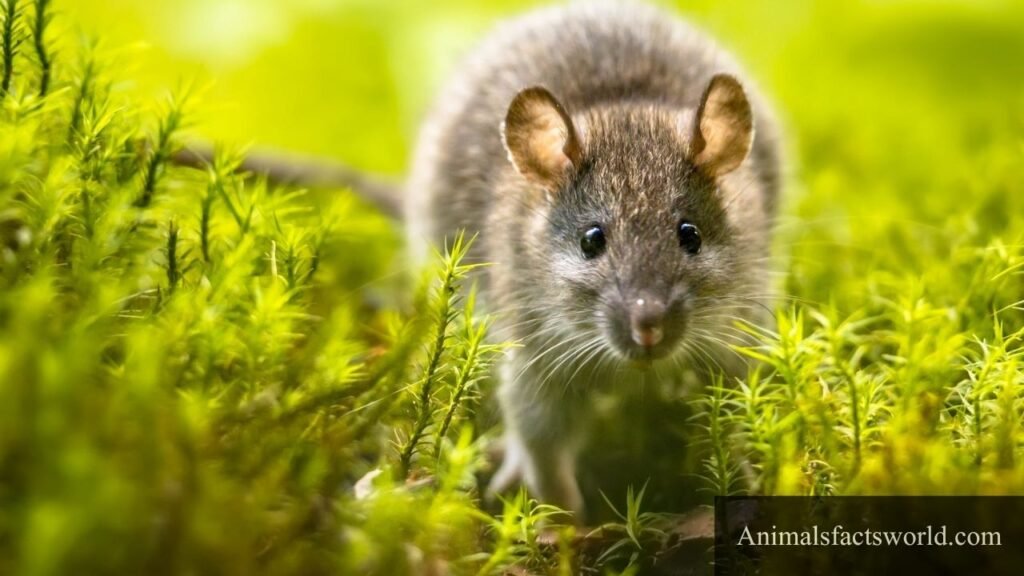
A rat’s diet can vary dramatically based on seasons and availability, but roaches present a protein-rich, energy-packed option that fits seamlessly into their foraging habits. Their hunting methods are fascinating, often employing a combination of stealth and quick reflexes to snatch unsuspecting roaches. Furthermore, studies show that rats can communicate intricate food preferences to each other, suggesting that if one rat discovers a roach-rich area, others will quickly follow, further amplifying their impact on cockroach populations.
Readmore: Explore Top 15 Animals That Eat Butterflies.
Final Thoughts
Various animals play a vital role in controlling the roach population, showcasing the intricate balance of nature. From birds and reptiles to mammals and insects, each species contributes uniquely to keeping these pests at bay. Understanding which animals eat roaches not only highlights their ecological importance but also encourages us to appreciate the benefits of biodiversity. By fostering environments that support these natural predators, we can reduce our reliance on chemical pest control methods. Let’s commit to protecting local wildlife, ensuring that nature’s pest control agents thrive in our backyards.
FAQs
What eats cockroaches?
Cockroaches have a variety of natural predators. Some of the most common ones include birds, amphibians, and small mammals. For example, many species of birds, like sparrows and starlings, will hunt and eat cockroaches, especially in urban areas where both are prevalent.
In addition to these, certain reptiles like geckos and larger insects, such as praying mantises, also enjoy a cockroach meal. Even some parasites, like wasps, target cockroaches as part of their lifecycle, laying eggs inside them to provide food for their developing young.
Do ants eat roaches?
Yes, ants do eat cockroaches. They are opportunistic feeders, meaning they’ll consume whatever food sources are available, including other insects. Cockroaches can be a good source of protein for ants, especially in colonies where food is scarce.
Do flies eat roaches?
Flies generally do not eat roaches. While both are common household pests, they have different diets and feeding habits. Flies primarily feed on decaying organic matter, sugary substances, and other decomposing materials. Their mouthparts are designed for liquid food, so they wouldn’t effectively consume something like a roach.
Do mice eat roaches?
Yes, mice do eat roaches. In the wild, mice are opportunistic feeders and will consume a variety of foods, including insects like cockroaches. If they come across roaches in their environment, they may take advantage of this protein source, especially if other food options are scarce.