Top 11 Animals With Paws (Pictures Included)
Paws may seem like a simple feature, but they are a complex marvel of nature. Animals with paws, ranging from tiny rodents to giant elephants, showcase an array of adaptations that have evolved over millions of years. In this article, we’ll explore the distinct types of paws, their functions, and the vital roles they play in the animal kingdom. Get ready to uncover the wonders of paws and deepen your appreciation for the animals that possess them.
List of Animals With Paws:
Here is the list of animals with paws:
- Raccoons
- Wolves
- Badgers
- Cats
- Otters
- Bears
- Tigers
- Foxes
- Dogs
- Cheetahs
- Rabbits
Raccoons
Scientific Name: Procyon lotor
Class: Mammalia
Diet: Omnivore
Raccoons possess a uniquely dexterous set of paws that make them master manipulators of their environment. Unlike most creatures, their front paws are remarkably flexible, allowing them to open jars, unlatch cages, and even turn door handles. This impressive ability is a testament to their intelligence, showcasing an adaptability that’s rarely seen in wildlife. Their paws act more like hands than mere appendages, making raccoons capable of complex tasks that baffle less dexterous animals.
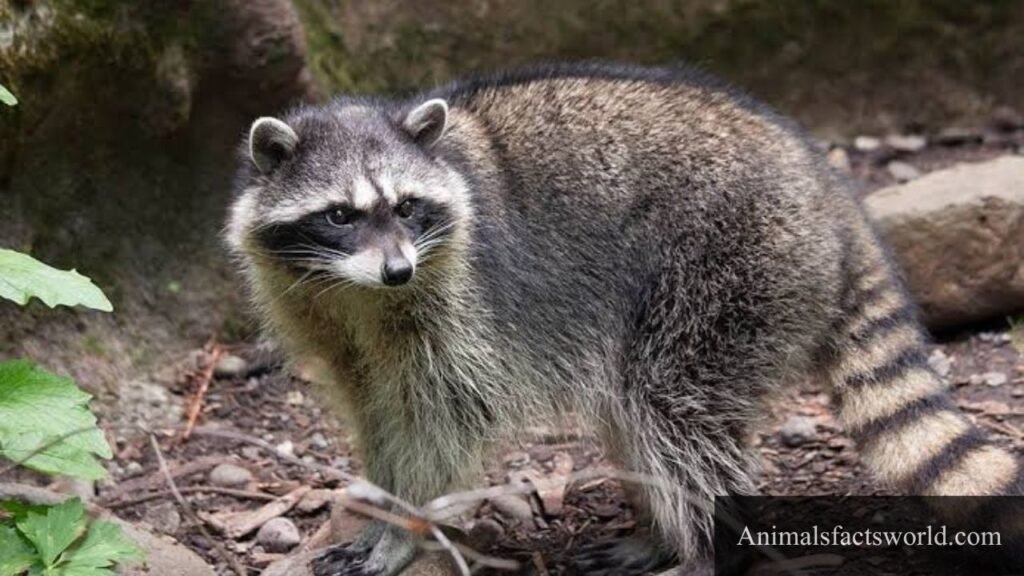
Raccoons’ paws play a pivotal role in their foraging habits. With a natural inclination to explore, these creatures employ a behavior known as “dousing,” where they dip their paws into water to evaluate potential food sources — a behavior that highlights their curiosity and problem-solving skills. This interaction not only speaks to their hunger but also to their exploration of sensory experiences. Interestingly, the soft pads on their paws contain sensitive nerve endings, enhancing their tactile perception and enabling them to feel their way through dark environments, which is crucial for a nocturnal forager navigating urban landscapes. Ultimately, these remarkable creatures remind us that even the smallest details — like a paw’s design — can reveal volumes about an animal’s survival and intelligence.
Wolves
Scientific Name: Canis lupus
Class: Mammalia
Diet: Carnivore
Wolves, often revered as symbols of the wild, possess powerful paws that serve as remarkable tools for their survival. Each paw is uniquely adapted to their environment, featuring large, padded soles that provide insulation against cold terrains and grip on various surfaces. This design not only enhances their agility while pursuing prey but also enables long-distance travel across vast landscapes, allowing them to traverse territories that span hundreds of miles.
Wolves’ paws play a crucial role in their social structures. The way they move, leaving distinct tracks, helps pack members communicate and maintain their bond as they hunt or migrate together. These tracks can tell a story — indicating the size of the pack, their direction, and even potential threats in the area. Such nuanced interaction through their physical attributes highlights the complexity of wolf behavior, reinforcing their status as apex predators. The next time you spot a paw print in the wild, remember it’s not just a mark in the earth; it’s a testament to the resilience and sophistication of these magnificent creatures.
Badgers
Scientific Name: Meles meles
Class: Mammalia
Diet: Omnivore
Badgers are fascinating creatures that showcase the power of adaptation through their unique paws. Their broad, powerful paws are perfectly designed for digging, allowing them to excavate extensive burrow systems known as setts. These intricate networks serve as both homes and communal spaces, reflecting the social nature of badger communities. As they tunnel through the earth, they play a vital role in maintaining soil health, aerating it and promoting biodiversity.
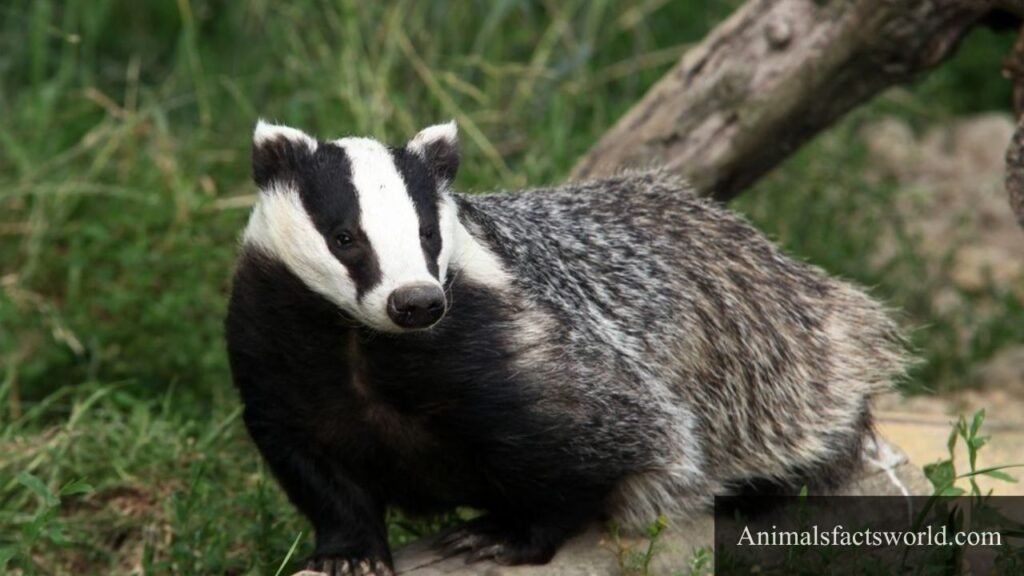
Interestingly, badgers display remarkable dexterity, using their claws not only for digging but also for foraging. They can expertly unearth roots, insects, and small mammals, showcasing an impressive ability to find food underground. This adaptability highlights their role as opportunistic feeders, essential for keeping various ecosystems in balance. In addition to their digging prowess, badgers exhibit a level of intelligence and problem-solving skills that often goes unnoticed, revealing a complex inner life that captivates researchers and wildlife enthusiasts alike.
Readmore: Explore Top 13 Animals That Eat Cows.
Cats
Scientific Name: Felis catus
Class: Mammalia
Diet: Carnivore
Cats are fascinating creatures, and their paws are intricately designed for a range of remarkable functions. Unlike the typical claw and pad structure found in many animals, cats possess a unique agility that allows for stealthy movements and precise landings. Their retractable claws ensure that they can remain silent hunters, fully equipped to pounce on unsuspecting prey. This evolutionary trait not only aids in hunting but also protects their claws from wear and tear when traversing various terrains.
The sensory capabilities of a cat’s paw pads also deserve attention. Each pad is rich with nerve endings, offering a heightened sense of touch that helps cats gauge their environment. This sensitivity can inform them about different surfaces, temperatures, and even vibrations in their surroundings. Interestingly, cats use their paws for more than just movement; they engage in kneading behaviors, often seen when they’re content, as they soothe themselves in a comforting ritual that harkens back to kittenhood. Observing a cat’s paws in action reveals an elegant blend of practicality, finesse, and emotional depth that captivates cat lovers everywhere.
Otters
Scientific Name: Lutra lutra
Class: Mammalia
Diet: Carnivore
Otters, often seen frolicking in rivers and coastal waters, possess paws that are as charming as they are functional. Unlike most mammals, otter paws are uniquely adapted for their semi-aquatic lifestyle. With webbed feet, they glide effortlessly through water, showcasing an agility that captivates observers. These paws not only aid in swimming but also serve as dexterous tools on land, allowing otters to manipulate food and use rocks to crack open shellfish.
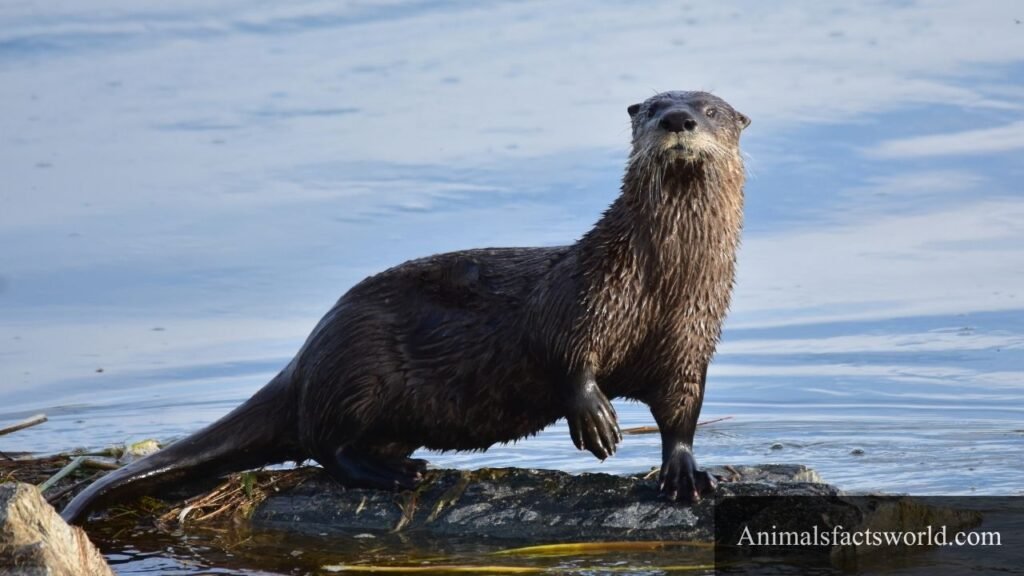
Otters prioritize social interaction, and their playful use of paws underscores their intelligence and complex behaviors. They have been observed sliding down mud or snowbanks and even engaging in games with one another, using their front paws to pass objects between them. This playful nature is not just for fun; it plays a crucial role in their development and social structure, fostering bonds within family groups. Observing otters in their natural habitat highlights how these seemingly simple appendages serve as vital instruments for survival and social connection in the wild.
Bears
Scientific Name: Ursidae
Class: Mammalia
Diet: Omnivore
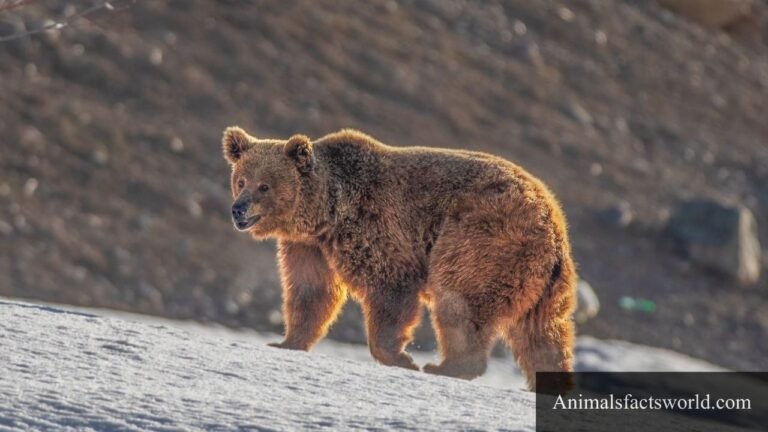
Bears, with their powerful paws, are incredible multi-talented creatures. Each paw houses large claws designed not just for gripping, but for a variety of tasks like digging, climbing, and catching prey. When a bear swipes at a tree, it’s not merely a display of strength; it’s an essential action that helps in marking territory and searching for insects, an often-overlooked food source. This adaptability showcases their role as omnivores, as they can switch from foraging for berries to catching fish with remarkable agility.
Beyond their striking claws, the structure of a bear’s paw is a marvel of evolution. With a massive pad that absorbs shock, these paws enable bears to trek across diverse terrains, from rugged mountains to soft forests, without damaging their environment. Moreover, the hair covering their feet acts as insulation, keeping them warm while insulating against icy surfaces. The gentle pressure of their footsteps is a reminder that these giants move with grace, a striking contrast to their imposing presence. Each paw print tells a story of resilience, survival, and the intricate balance of nature that bears embody, making them essential players in their ecosystems.
Tigers
Scientific Name: Panthera tigris
Class: Mammalia
Diet: Carnivore
Tigers, the majestic apex predators, possess powerful paws that play a crucial role in their survival. Each paw is uniquely designed with retractable claws, allowing tigers to grip surfaces effectively when climbing trees or pursuing prey. The softness of their paw pads enables stealthy movement through dense forests, making them exceptional hunters. With a single swipe of their robust forelimbs, tigers can take down large animals, demonstrating not just brute strength but also precision and agility.
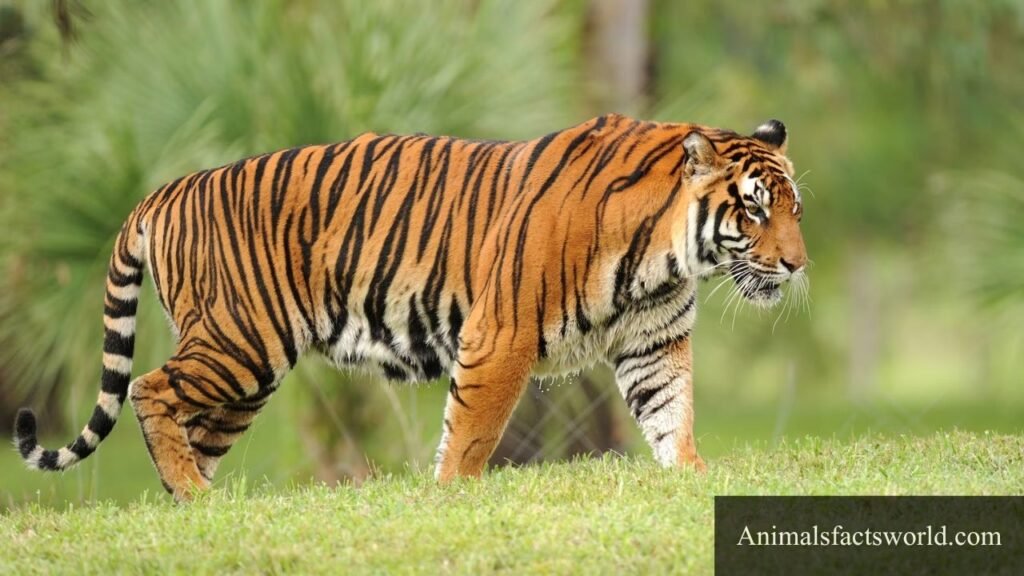
What’s even more fascinating is the role of a tiger’s paws in communication. Through their large, deeply padded footprints, they leave behind subtle signs of their presence, conveying messages to other tigers. The scent glands located in their paws release pheromones, marking territory and signaling readiness for mating. These silent imprints in the wild serve as a storytelling mechanism, revealing the intricate social dynamics of tiger populations. Exploring the world of tigers through their paws offers a compelling insight into these enigmatic creatures, showcasing their elegance and primal power.
Foxes
Scientific Name: Vulpes vulpes
Class: Mammalia
Diet: Omnivore
Foxes are fascinating creatures, showcasing an incredible blend of agility and intelligence. Their paws, uniquely designed for versatility, allow them to traverse various terrains, from rocky hills to dense forests. Unlike other members of the canine family, foxes have a more delicate structure in their paws, which facilitates silent movement — an essential trait for stalking prey. Their soft footpads minimize sound, enabling them to sneak up on small animals with remarkable stealth.
These nimble paw designs also play a crucial role in their adaptability. Foxes have evolved to thrive in urban environments, using their keen senses and dexterous claws to forage for food in both natural and man-made ecosystems. Their ability to navigate diverse landscapes enhances their survival skills, as they can quickly switch from chasing after rodents in fields to scavenging leftovers in city streets. This remarkable adaptability has made the red fox, in particular, one of the most widespread mammals on Earth, proving that even the smallest of paws can leave a substantial impact.
Dogs
Scientific Name: Canis lupus familiaris
Class: Mammalia
Diet: Omnivore
Dogs showcase a stunning variety of paw designs that not only signify their breed but also reveal their purpose in the animal kingdom. From the splayed, webbed feet of a Labrador Retriever, perfectly adapted for swimming, to the small, nimble paws of a Terrier, which allow for quick maneuvers during spirited play, each paw is a testament to evolution and environment. These unique adaptations speak volumes about the roles dogs have played alongside humans, whether as herders, hunters, or companions.
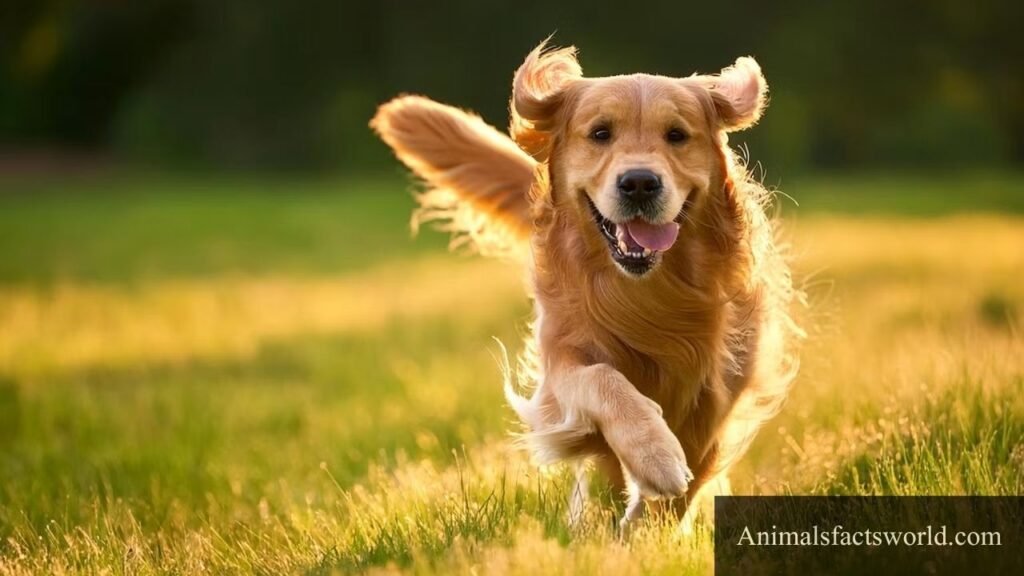
The structure of a dog’s paw is a marvel in itself. With their padded soles, dogs possess a natural shock absorption system that makes long runs feel like a breeze. Interestingly, the digital pads not only provide traction but also serve as a temperature regulator, enabling them to walk on hot pavement or snowy terrains with relative ease. Further, the intricate network of nerves in their paws enhances their ability to sense their surroundings, forging a deeper connection with their environment.
Cheetahs
Scientific Name: Acinonyx jubatus
Class: Mammalia
Diet: Carnivore
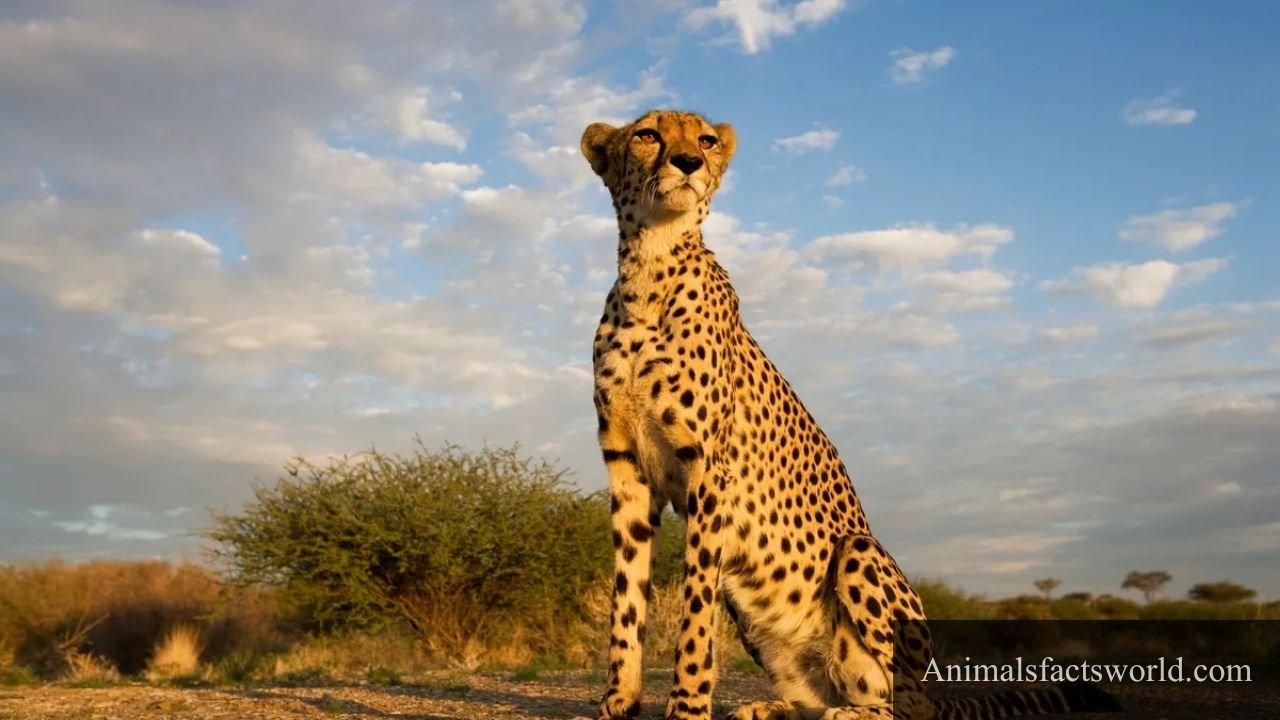
Cheetahs, the ultimate embodiment of agility and grace, showcase a remarkable adaptation in their paw structure that sets them apart from other big cats. Unlike the rounded, broad paws of lions or tigers, cheetah paws are uniquely oval and feature non-retractable claws. This enables them to maintain traction and grip during high-speed chases, allowing for lightning-fast accelerations that can reach up to 60 miles per hour in just a few seconds. Their specialized footpads are rugged yet flexible, providing shock absorption that protects their limbs while navigating diverse terrains in pursuit of prey.
The cheetah’s lightweight constitution complements its paw design, creating a symbiotic relationship between speed and biomechanics. While other felines rely on stealth and power, the cheetah’s distinct paw anatomy is optimized for pursuit; it can make sharp turns while sprinting, an essential trait for chasing down nimble prey. Interestingly, their low-density paw pads also reduce noise, enhancing their ability to approach animals undetected. Through the lens of evolution, the cheetah’s paws illustrate the intricate balance between form and function in the wild, reminding us that sometimes the smallest details can make the biggest difference in survival.
Rabbits
Scientific Name: Leporidae
Class: Mammalia
Diet: Herbivore
Rabbits possess a unique blend of characteristics that make them fascinating companions. Their paws, equipped with soft pads and powerful muscles, are perfect for both swift escapes and nimble hops. These adaptations enable them to navigate various terrains, from grassy meadows to rocky burrows, showcasing not just agility but also a remarkable ability to survive in diverse environments.
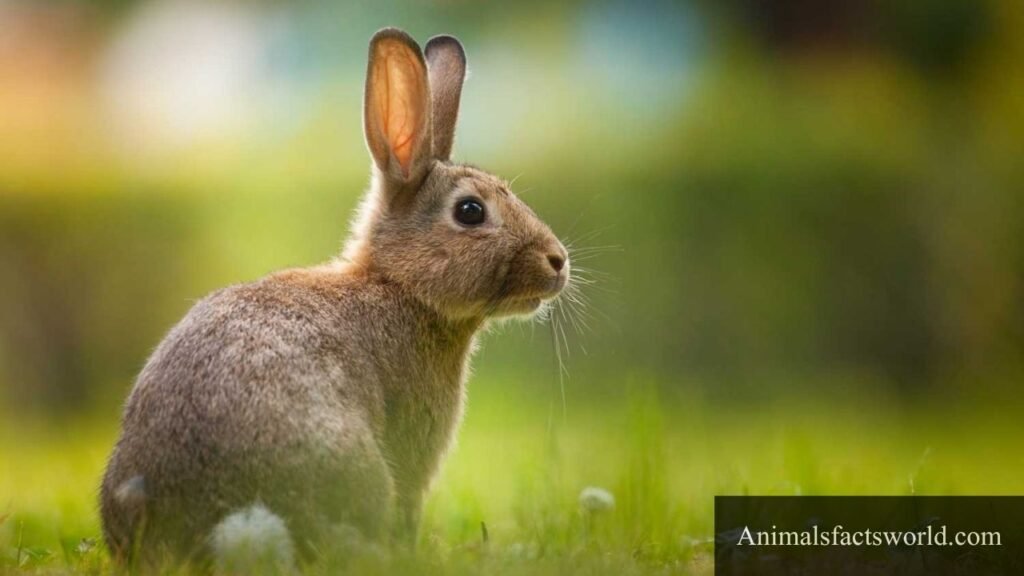
Rabbits exhibit intriguing social behaviors that elevate them beyond mere pets. Their paws play a significant role in communication; a gentle thump can alert fellow rabbits of danger, while a playful dance demonstrates their joyous disposition. This nuanced interaction highlights the depth of their social structures and the complexity of their emotional lives, resonating with humans who appreciate companionship that is both genuine and playful. Embracing rabbits as pets can reveal a world of affection and fun, inviting us to see them not just as animals with paws but as dynamic participants in our lives.
Readmore: Explore Top 17 Animals That Eat Insects.
Final Thoughts
Animals with paws exemplify a diverse range of adaptations that enable them to thrive in various environments. From the impressive climbing abilities of cats to the incredible digging skills of dogs and various wildlife, paws serve multiple functions that contribute to survival. These creatures not only play crucial roles in their ecosystems but also enrich our lives as companions and helpers. Understanding the unique characteristics and behaviors of pawed animals deepens our appreciation for them. Let’s continue to support wildlife conservation efforts to protect these fascinating creatures and their habitats.
FAQs
What animals have paws?
Many mammals have paws, which are typically designed for walking, running, and climbing. Common examples include cats and dogs, both of which have pads on their paws that provide cushioning and grip. Other members of the family, like bears and raccoons, also possess paws adapted for their specific lifestyles. Animals like rabbits and some primates, such as lemurs, have paw-like extremities. Even certain reptiles, like some species of turtles, can be categorized as having paw-like structures.
What animals have 4 paws?
Most mammals have four paws, including common pets like dogs and cats. These animals are typically classified as quadrupeds, meaning they walk on all fours. Other examples include horses, elephants, and many wild species such as lions and wolves. In addition to pets and livestock, several marine mammals like seals and sea lions also walk on land using their four flippers or paws.