Top 13 Animals That Eat Turtles (Images Included)
A diverse set of Animals That Eat Turtles has developed unique adaptations to hunt them. This article will delve into these predators, their hunting techniques, and the importance of turtle predation in maintaining the health of their ecosystems. By the end, you’ll gain a deeper appreciation for the intricate web of life where survival often hinges on predator-prey relationships.
List of Animals That Eat Turtles
Below is the list of animals that eat turtles:
- Alligator
- Red Fox
- Opossum
- Coyote
- Monitor Lizard
- Bobcat
- Snapping Turtle
- Bullfrog
- Snakes
- Bald Eagle
- Largemouth Bass
- River Otter
- Raccoon
Alligator
Scientific Name: Alligator mississippiensis
Class: Reptilia
Diet: Carnivore
Alligators are fearsome predators that play a crucial role in their ecosystems, and turtles are a notable part of their diverse diet. While alligators primarily hunt in water, their ambush tactics are fascinating. They use stealth, submerging themselves almost entirely with just their eyes and nostrils above the surface, waiting for the opportune moment to strike. This method allows them to surprise unsuspecting turtles basking on logs or swimming close to the water’s edge, turning the tables on their unwary prey.
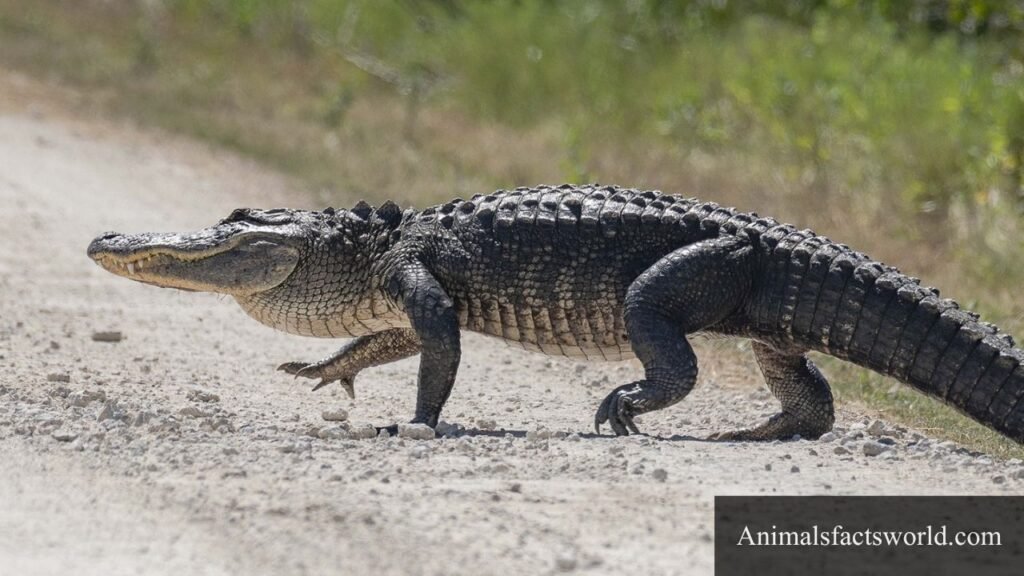
Their hunting success is not merely about strength; it’s also about timing. Alligators often target turtles during breeding seasons when populations are higher and less vigilant. Interestingly, some species of alligators have even been observed using tools — like throwing vegetation into the water — to lure turtles closer. This behavior showcases their intelligence and adaptability, highlighting that the predator-prey relationship can be as much about cunning as sheer power. In turn, this predation shapes turtle populations, influencing their behaviors and habitats, illustrating the intricate balance of life in aquatic ecosystems.
Red Fox
Scientific Name: Vulpes vulpes
Class: Mammalia
Diet: Omnivore
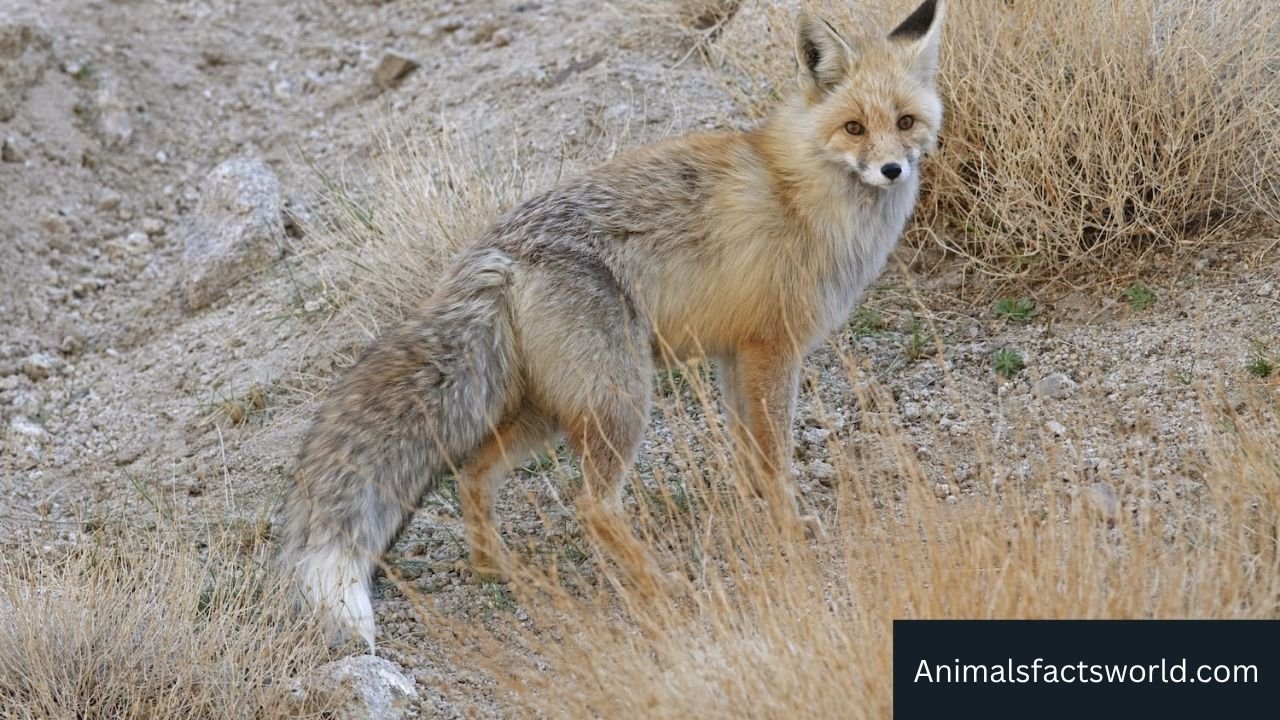
Red foxes possess a remarkable adaptability that positions them as skilled predators in various ecosystems, making them one of the few terrestrial animals that consume turtles. While they primarily hunt small mammals and birds, opportunistic red foxes will seize the chance to snack on turtles, especially during nesting seasons when these reptiles are more vulnerable. Their keen sense of smell and sharp eyesight enable them to locate both terrestrial tortoises and aquatic turtles near water bodies, where they can stealthily approach.
Hunting turtles often involves a clever blend of strategy and dexterity. A red fox may dig up turtle nests to access the eggs or flip over a resting turtle, leveraging its agility and weight to exploit the softer underbelly of the shell. These encounters typically occur in spring or early summer, coinciding with peak nesting times, revealing a crucial layer in the food web where foxes play a significant role in shaping turtle populations. Despite their occasional predation, red foxes also contribute to a balanced ecosystem by controlling the population dynamics of various species, showcasing the intricate relationships found in nature.
Opossum
Scientific Name: Didelphis virginiana
Class: Mammalia
Diet: Omnivore
Opossums, often overlooked in discussions about turtle predation, showcase a fascinating and opportunistic hunting strategy. While they are primarily scavengers, these marsupials will readily consume turtle eggs and even juveniles when the opportunity arises. Their ability to adapt to various environments ensures that they exploit nests found in both terrestrial and aquatic habitats. Opossums are particularly adept at locating turtle nests during the breeding season, often rummaging through underbrush or even burrowing into sand to reach their coveted meal.
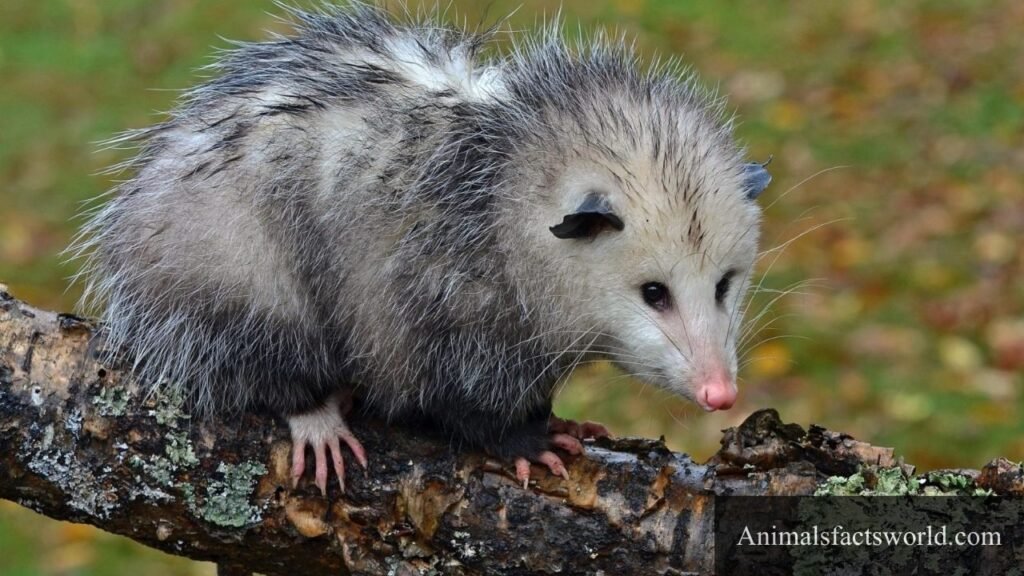
Interestingly, the opossum’s unique physiology enhances its predatory capabilities. With a low metabolism and specialized teeth designed for crushing, they can consume turtle eggs whole, absorbing nourishment efficiently. Studies suggest that, in times of scarcity, these resourceful animals may feast on turtle hatchlings, prioritizing this protein-rich food source. This adaptability not only speaks to their survival skills but also plays a significant ecological role, controlling turtle populations and benefiting the ecosystem by recycling nutrients.
You can also read: Explore Top 15 Animals That Eat Worms.
Coyote
Scientific Name: Canis latrans
Class: Mammalia
Diet: Carnivore
Coyotes are opportunistic carnivores, adaptable in their hunting strategies, and when it comes to consuming turtles, they often showcase their resourcefulness. These cunning canids typically prefer smaller turtle species, like painted or box turtles, which they can more easily access. Their keen sense of hearing helps them locate turtles sunning themselves on beaches or near water sources, and their agility allows them to navigate various terrains to reach their prey.
Interestingly, coyotes have been known to employ a strategy that involves carefully flipping turtles onto their backs, exposing the vulnerable underbelly. This unique hunting method highlights their intelligence and adaptability. While turtles are not a daily staple in a coyote’s diet, they do consume them when the opportunity arises, making it a valuable addition to their varied menu. Seasonal fluctuations, such as higher turtle activity in warmer months, can lead to an uptick in these encounters, showcasing the ecological interdependence of species in their shared habitats.
Monitor Lizard
Scientific Name: Varanus salvator
Class: Reptilia
Diet: Carnivore
The monitor lizard, a formidable predator, is known for its resourceful hunting strategies when it comes to consuming turtles. With their keen eyesight and sharp claws, these lizards are remarkable climbers, allowing them to access turtle nests in trees or rocky crevices. Once they locate their prey, monitor lizards employ a combination of stealth and speed, often ambushing turtles as they come ashore to bask in the sun or lay eggs.
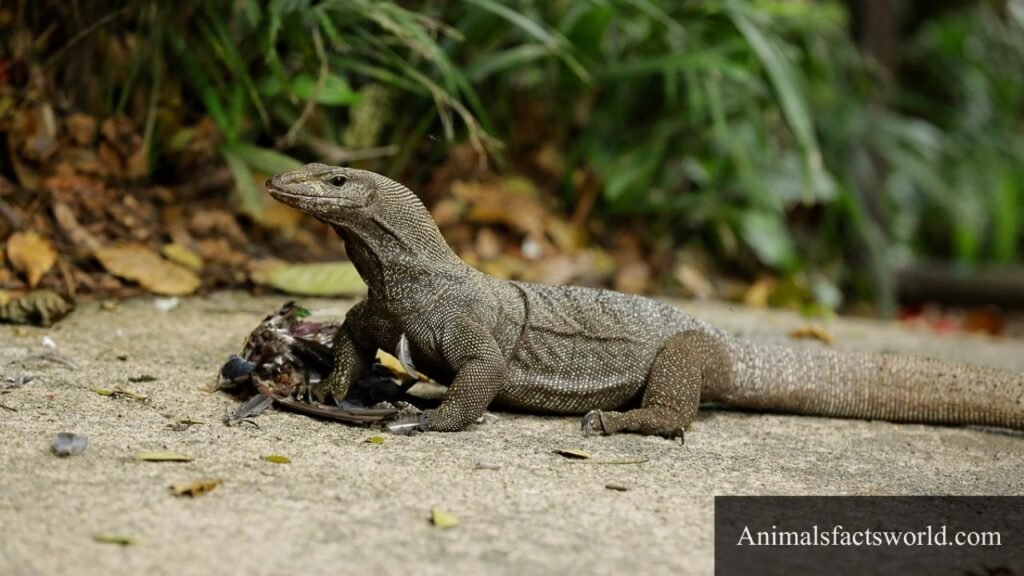
Monitor lizards have a varied diet that reflects their adaptability; while turtles form a part of their meal plan, they also indulge in small mammals, birds, and other reptiles, depending on availability. This omnivorous nature means that the frequency of turtle consumption can vary, influenced by factors such as seasonal changes and habitat conditions. Moreover, some species, like the water monitor, are particularly adept at hunting in aquatic environments, showcasing their versatility in stalking elusive turtle prey.
Bobcat
Scientific Name: Lynx rufus
Class: Mammalia
Diet: Carnivore
Bobcats, with their keen hunting instincts and adaptability, are surprising predators of turtles. While these elusive felines typically feast on smaller mammals like rabbits and rodents, they won’t pass up the opportunity to snack on a turtle if the conditions are right. Bobcats primarily hunt during twilight, using the cover of dusk to stalk their prey. In areas where turtles are plentiful, they can often be seen quietly prowling along shorelines and marshes, patiently waiting for a chance to strike.
When targeting turtles, bobcats employ stealth and agility rather than brute strength. They may wait for a turtle to emerge from the water or bury itself in the mud, then spring into action, utilizing their sharp claws to access the turtle’s vulnerable parts. This opportunistic feeding behavior highlights the versatility of bobcats as hunters; they can adapt their diets based on seasonal changes and prey availability. The frequency with which bobcats consume turtles can vary significantly by location, but in regions with abundant turtle populations, these cats might include them in their diet more regularly, showcasing nature’s intricate balance of predator and prey.
Snapping Turtle
Scientific Name: Chelydra serpentina
Class: Reptilia
Diet: Omnivore
Snapping turtles, with their formidable beaks and powerful jaws, are often both predator and prey in their ecosystems. These resilient reptiles have adapted over millions of years to consume a variety of prey, including smaller turtles. Using their camouflaged shells, snapping turtles lie in wait, often submerged in murky waters, leveraging their stealth to ambush unsuspecting victims. Their hunting strategy is as fascinating as it is effective; they use rapid head movements to snatch at passing turtles, often before the smaller creature even realizes the danger lurking beneath the surface.
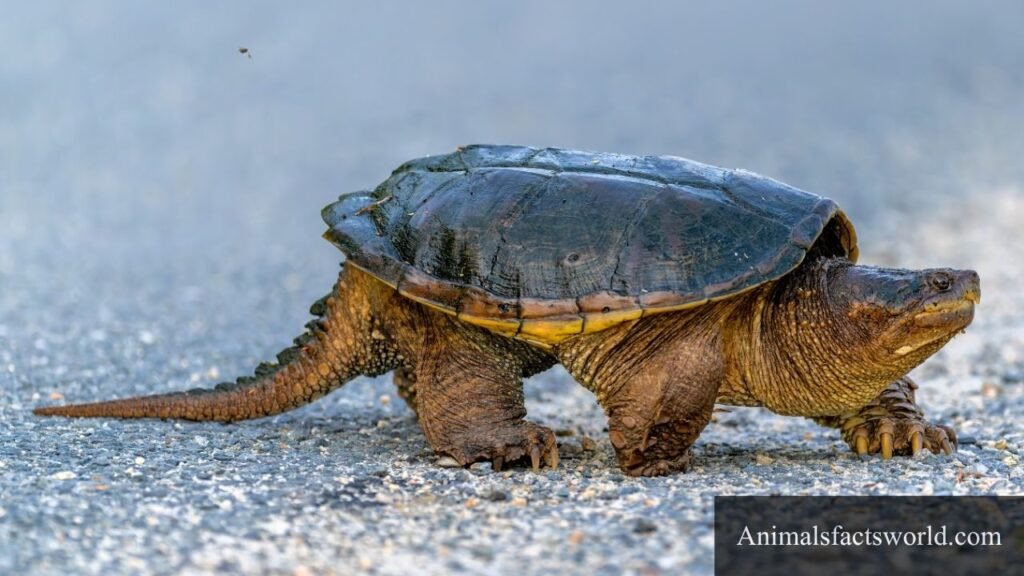
Snapping turtles don’t limit their diet to other turtles. They are opportunistic feeders, indulging in everything from aquatic vegetation to fish and amphibians. This versatility means they can thrive in various environments, from freshwater ponds to swamps. While adult snapping turtles have few natural predators, juvenile turtles are susceptible to larger carnivores such as raccoons and certain birds of prey. Such interactions highlight the complex web of life in aquatic ecosystems, where every creature plays a critical role in maintaining balance. Understanding these dynamics provides a deeper appreciation for the resilience of snapping turtles and the intricate relationships they form in their habitats.
Bullfrog
Scientific Name: Lithobates catesbeianus
Class: Amphibia
Diet: Carnivore
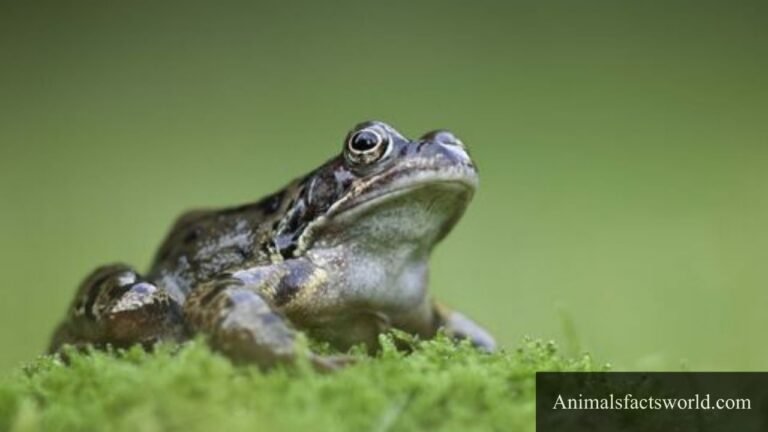
Bullfrogs, known for their formidable size and voracious appetites, are among the few amphibians that happily make turtles a part of their diet. These frogs are opportunistic hunters, often employing a tactic called “sit and wait.” Once they spot a turtle sunbathing on a rock or basking in shallow water, they can launch themselves with surprising agility to catch their prey. Their powerful hind legs allow them to leap distances many times their body length, giving them an edge in ambush scenarios.
Bullfrogs don’t just munch on juvenile turtles; adult bullfrogs have been known to tackle smaller turtle species regularly. Their wide mouths and strong jaws can easily clamp down on a turtle’s shell, leading to an unusual but effective feeding strategy. In areas where both species coexist, this predatory behavior can influence local turtle populations, showcasing the delicate balance of ecosystems. So, the next time you hear a bullfrog croaking in the distance, remember that this seemingly benign amphibian is truly a stealthy hunter, navigating the ponds and wetlands with an appetite for even the most hard-shelled of creatures.
Snakes
Scientific Name: Serpentes
Class: Reptilia
Diet: Carnivore
Snakes have a remarkable ability to hunt and consume turtles, showcasing nature’s intricate balance between predator and prey. These reptiles often employ a stealthy approach, using their incredible camouflage and patience to ambush unsuspecting turtle basking on riverbanks or floating in calm waters. Once within striking distance, they utilize their powerful jaws to grasp the turtle before delivering a lethal constriction. In some cases, snakes such as the common snapping turtle may face off against larger snakes like the Eastern Indigo, highlighting a surprising instance where both are formidable in their own right.
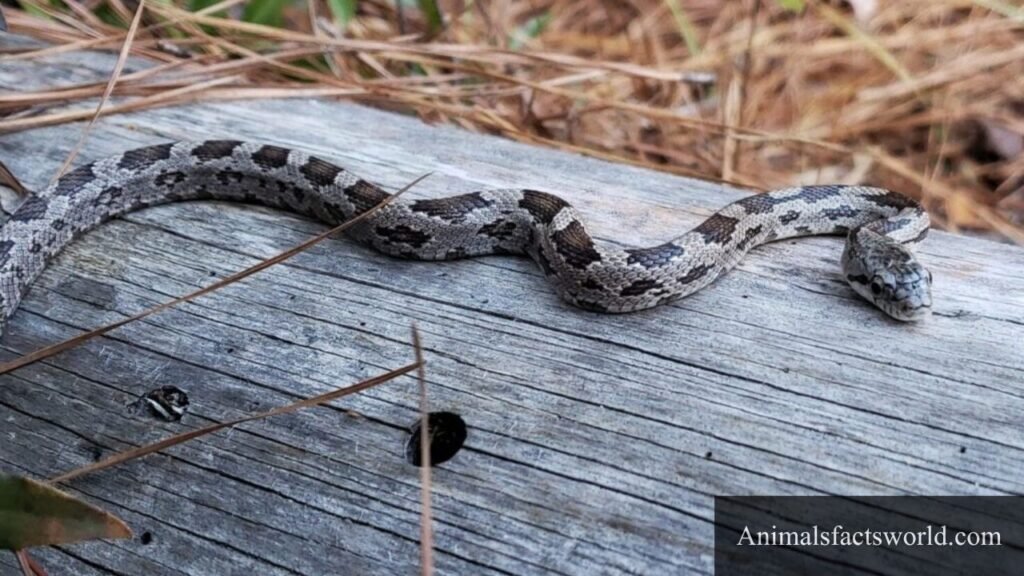
Interestingly, not all snakes can tackle turtles. Species like the Red-tailed boa have developed specialized techniques, using their muscular bodies to crush the shell rather than swallowing it whole. This technique is relatively rare among serpents, as the effort often requires significant energy expenditure, making it a demanding part of their hunting repertoire. Despite this, certain snake species may consume turtles more frequently depending on their population in the area, with some even adapting their hunting strategies based on seasonal abundance. The cycle of life in these ecosystems showcases how predator and prey evolve and adapt, unveiling fascinating insights into the interconnectedness of wildlife.
Bald Eagle
Scientific Name: Haliaeetus leucocephalus
Class: Aves
Diet: Carnivore
The bald eagle wields impressive hunting skills that extend to occasionally consuming turtles. These raptors utilize their keen eyesight to spot turtles basking on logs or swimming in shallow waters. When a meal is determined, the eagle swoops down with remarkable precision, employing its powerful talons to snatch the unsuspecting reptile. This display of aerial prowess not only highlights their predatory adaptability but also demonstrates their crucial role in the ecosystem as apex predators.
While they primarily prefer fish, turtles serve as a valuable supplementary food source during leaner months. Eagles tend to focus on juvenile turtles, which are easier to catch and consume. Interestingly, research indicates that bald eagles may also scavenge turtle remains left by other predators, showcasing their opportunistic feeding habits. Observing a bald eagle feasting on a turtle provides a striking reminder of nature’s intricate balance, revealing how even the most majestic creatures play their part in the circle of life.
Largemouth Bass
Scientific Name: Micropterus salmoides
Class: Actinopterygii
Diet: Carnivore
Largemouth bass, known for their voracious appetite, often target turtles as a food source in their freshwater habitats. These predatory fish are not just opportunistic feeders; they exhibit remarkable hunting strategies. When a turtle is spotted basking on a log or near the water’s edge, the largemouth bass employs a stealthy approach, using its ability to blend into the murky waters to get as close as possible before striking with incredible speed and precision.
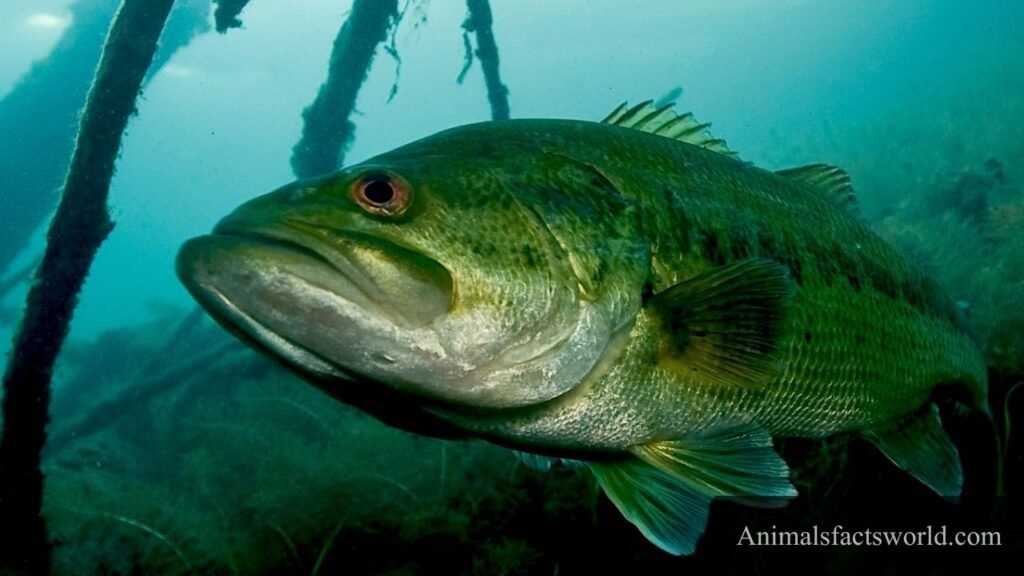
This predation tends to peak during warmer months when turtles are more active and visible. Interestingly, largemouth bass are known to consume young or smaller turtles, using their powerful jaws to overpower the hard shells. Their choice of prey reflects their adaptive nature; in environments where turtles are abundant, bass can shift their diet accordingly. This dynamic interplay highlights the intricacies of aquatic ecosystems, where the balance of predator and prey shifts with the seasons, influencing both species’ population dynamics.
River Otter
Scientific Name: Lontra canadensis
Class: Mammalia
Diet: Carnivore
River otters are fascinating aquatic mammals that demonstrate a remarkable adaptability when it comes to their diet, which includes the occasional turtle. These playful creatures are skilled hunters, utilizing their agility and speed in water to catch their prey. When targeting turtles, otters often flip them over to access the softer underbelly, a testament to their intelligence and problem-solving abilities. This behavior not only showcases their dexterity but also highlights their role in the ecosystem as opportunistic feeders.
Typically, river otters will consume turtles when other food sources, like fish and amphibians, are scarce. This opportunism is particularly beneficial in varied habitats where food availability fluctuates. Otters opt for smaller turtle species that are easier to handle, demonstrating a calculated hunting strategy that ensures a higher success rate. Observing their playful nature, one might think of hunting as a serious endeavor; however, river otters often frolic around their catch, adding a touch of whimsy to their predatory behavior. This blend of play and purpose not only aids in their survival but also enriches the dynamics of their aquatic environments.
Raccoon
Scientific Name: Procyon lotor
Class: Mammalia
Diet: Omnivore
Raccoons are cunning opportunists, and their diet can be surprisingly diverse, often including the occasional turtle. Equipped with nimble paws and sharp claws, raccoons have developed techniques to access turtle nests or pry open vulnerable turtles, particularly during nesting season when turtles lay their eggs on the shore. These dexterous creatures expertly manipulate soft shells or dig up eggs buried in sandy nests, showcasing their intelligence and adaptability in foraging.
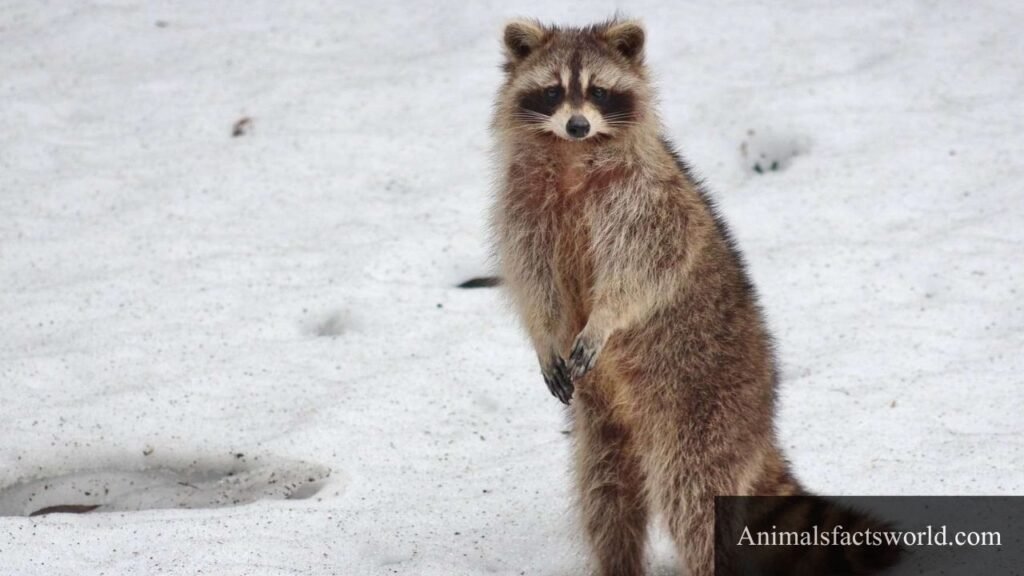
Raccoons predominantly target turtles during the spring and summer months when turtle populations are at their most vulnerable. This, combined with their nocturnal foraging habits, allows them to exploit opportunities when turtles are less vigilant. Apart from being a food source, the predation on turtles plays a significant role in maintaining ecological balance, emphasizing the raccoon’s role in the food chain. Their predatory behavior not only showcases their survival instincts but also highlights the intricate dynamics of ecosystems where every species, even the seemingly harmless raccoon, affects population dynamics among reptiles.
You can also read: Explore Top 11 Animals That Eat Bones.
Final Thoughts
The myriad of animals that consume turtles highlights the dynamic and interconnected web of life in our natural world. From aquatic predators to land dwellers, these creatures demonstrate how every species has its place in maintaining ecological balance. Furthermore, studying these interactions can offer insights into the health of environments and the ongoing impact of human activities. As guardians of the planet, we have a responsibility to protect both turtles and their natural predators to sustain biodiversity. Join us in advocating for conservation efforts that support all aspects of wildlife and preserve the delicate equilibrium of our ecosystems
FAQs
What animal eats turtles?
Several animals eat turtles, depending on the species and habitat. For instance, raccoons and foxes are common predators that will eat turtle eggs and hatchlings. In the water, larger fish, birds of prey like eagles and hawks, and even alligators or crocodiles can target adult turtles.
In marine environments, sharks and sea otters are known to prey on sea turtles. Some species of crabs will scavenge on turtle carcasses.
Do sharks eat turtles?
Yes, sharks do eat turtles. Although turtles have tough shells that provide a level of protection, some shark species can still target them when the opportunity arises. For instance, larger sharks like tiger sharks are known to include turtles in their diet. They have powerful jaws that can easily crush through the shells.