Top 13 Animals That Eat Foxes (With Pictures)
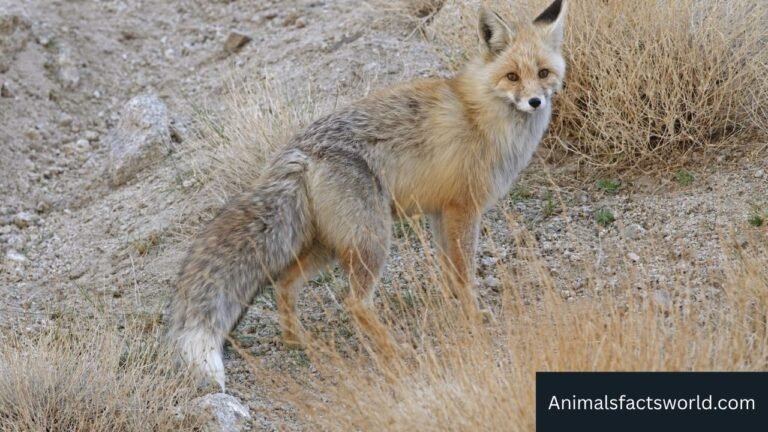
While foxes are often seen as elusive hunters, they themselves are on the menu for several other animals. In this article, we will explore the surprising world of Animals That Eat Foxes, shedding light on the complex food chain that governs their survival. Understanding these relationships not only reveals the intricate balance of nature but also highlights the challenges foxes face in their habitats.
List of Animals That Eat Foxes
Here is the list of animals that eat foxes:
- Great Horned Owls
- Black Bears
- Wolverines
- Lynxes
- Mountain Lions
- Snow Leopards
- Fishers
- Arctic Wolves
- Coyotes
- Golden Eagles
- Pine Martens
- Wolves
- Polar Bears
Great Horned Owl
Scientific Name: Bubo virginianus
Class: Aves
Diet: Carnivore
The Great Horned Owl, a formidable predator, is known for its remarkable adaptability, often taking advantage of various prey within its expansive habitat. Surprisingly, foxes, particularly the young or smaller species, can fall victim to these stealthy hunters. With their silent flight and exceptional night vision, Great Horned Owls are adept at ambushing unsuspecting foxes during their twilight and nighttime activities, when these canines are most active.
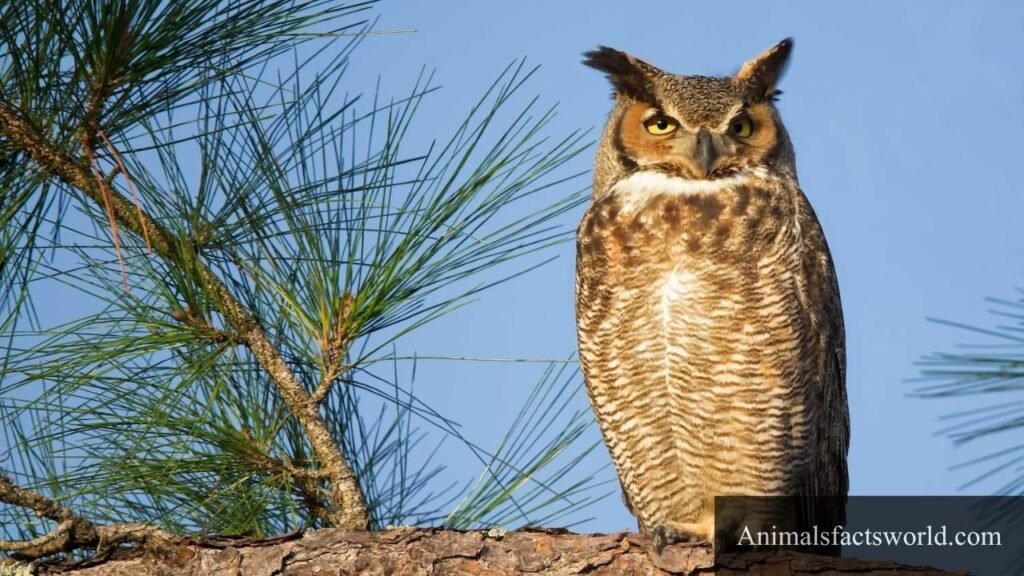
This owl’s hunting prowess goes beyond mere size alone; its talons can exert immense pressure, ensuring a swift and efficient catch. The unfortunate nature of this predation highlights the interconnectedness of ecosystem dynamics — where even the cunning fox, often viewed as a clever survivor, can become a meal for a master of the night sky. By understanding these relationships, we gain insight into the complex web of life that characterizes many habitats, revealing the myriad strategies animals employ to thrive in an often harsh and competitive world.
Black Bear
Scientific Name: Ursus americanus
Class: Mammalia
Diet: Omnivore
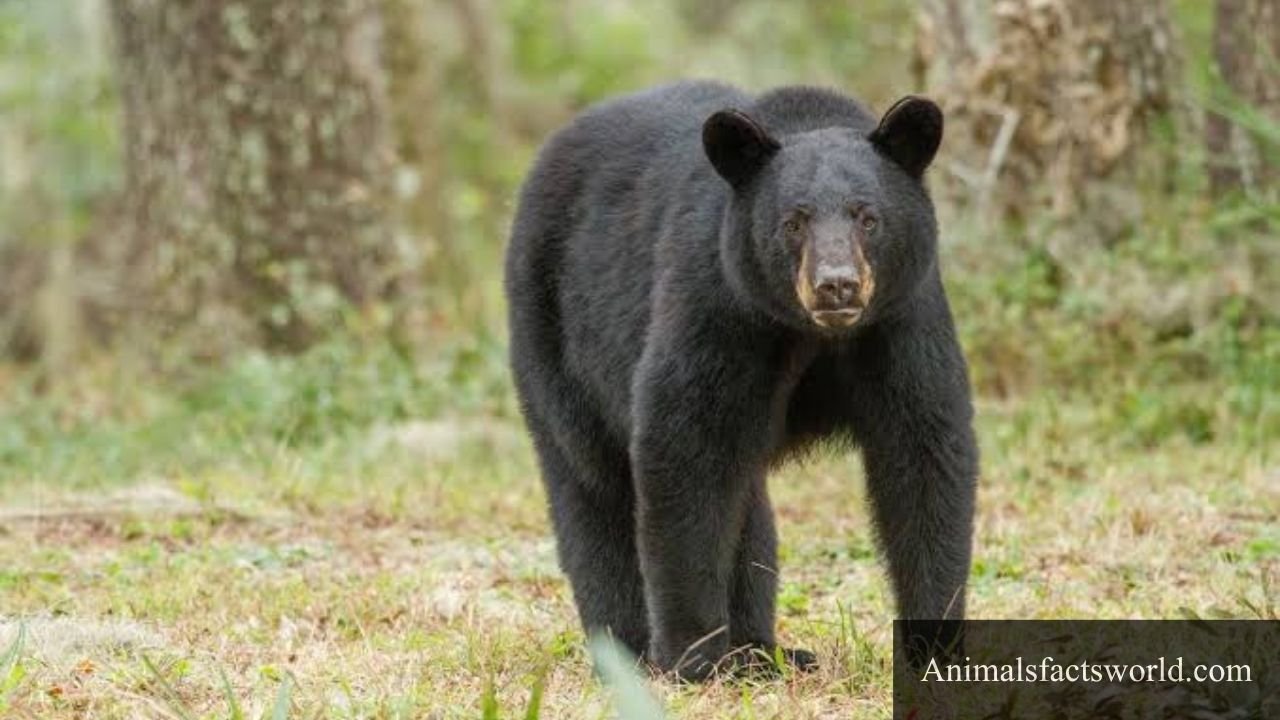
Black bears, with their formidable size and strength, occasionally add foxes to their diverse diet, showcasing the often-overlooked complexities of nature’s food web. Although primarily omnivorous, black bears will opportunistically hunt smaller animals, including foxes, especially when other food sources are scarce. This predatory behavior is not frequent; rather, it underscores a bear’s adaptability and resourcefulness in surviving within different ecosystems.
The interaction between black bears and foxes highlights the balance of predator and prey dynamics. While a black bear may view a fox as a casual meal, foxes have evolved various survival strategies, such as agility and stealth. This cat-and-mouse relationship creates a fascinating interplay where both species must constantly adapt to each other’s presence, reminiscent of a wildlife drama unfolding in the heart of the forest. As black bears roam their territories, the ripple effects of their hunting practices influence the entire ecosystem, reminding us of the delicate interconnectedness of all living beings.
Wolverine
Scientific Name: Gulo gulo
Class: Mammalia
Diet: Carnivore
Despite their relatively small size compared to other carnivores, wolverines are known for their tenacity and strength, traits that enable them to take on prey much larger than themselves, including foxes. This fierce critter has developed an impressive arsenal of skills, such as powerful jaws and sharp claws that facilitate digging through snow or breaking into frozen carcasses, allowing them to exploit every possible food source, including the cunning gray foxes that share their territory.
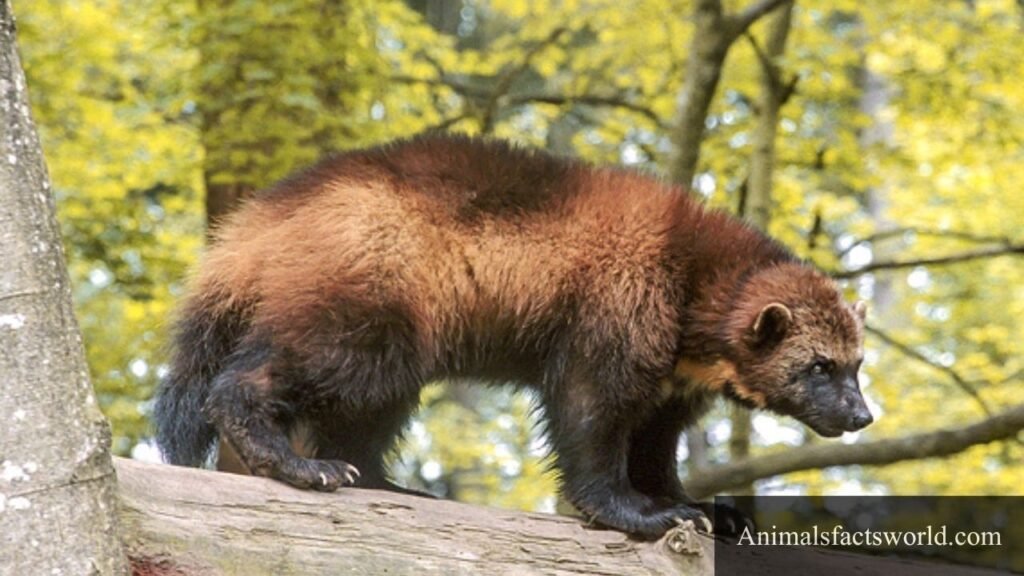
The wolverine’s predatory behavior is not solely driven by hunger but is also influenced by its opportunistic nature. During lean times, when temperatures drop and resources become scarce, these animals might turn to foxes, preying on young or weakened individuals. This interaction highlights a crucial ecological balance: wolverines help regulate fox populations, ensuring healthy ecosystems. Observing this relationship reminds us of nature’s intricate web, where survival often hinges on the strength and adaptability of even the most unlikely contenders.
Readmore: Explore Top 9 Animals That Eat Wolves.
Lynx
Scientific Name: Lynx lynx
Class: Mammalia
Diet: Carnivore
The lynx, a solitary yet cunning feline, presents a captivating apex predator in the ecosystems where foxes roam. With its tufted ears and keen eyesight, the lynx is perfectly adapted to stalk prey in dense forests and snowy terrains, often making it a formidable hunter. Foxes, being resourceful and adaptable themselves, may find themselves on the short end of the food chain when they cross paths with these stealthy cats.
What’s particularly intriguing is the lynx’s selective hunting strategies. While they primarily pursue small to medium-sized mammals, a fox can unexpectedly become a target, especially if the environment feels competitive or resources are scarce. This intersection of predator and prey reflects not only the balance of nature but also how prey species, like foxes, must constantly evolve their behaviors and habitats to avoid becoming casualties in the ever-turning wheel of life. As both predators navigate their roles, they contribute to an intricate tapestry of survival that teaches us about resilience in the wild.
Mountain Lion
Scientific Name: Puma concolor
Class: Mammalia
Diet: Carnivore
The mountain lion stands as a formidable predator that occasionally includes foxes in its diet. These large cats are agile and stealthy hunters, often using their keen senses to track down various prey in diverse terrains. While they primarily favor ungulates, their opportunistic hunting behavior can lead to encounters with foxes, especially in regions where their habitats overlap.
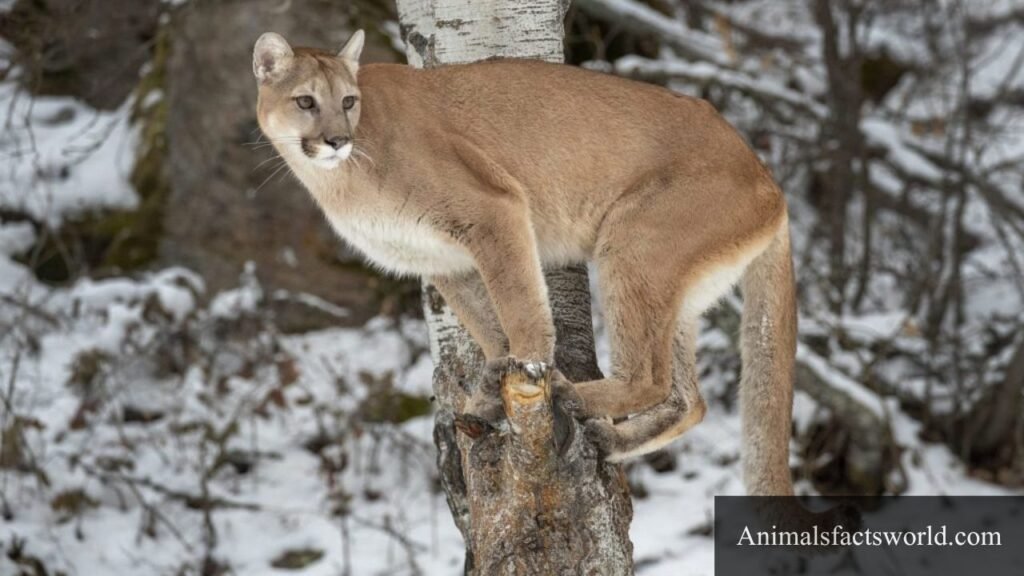
What makes this relationship particularly fascinating is the mountain lion’s ability to adapt its hunting techniques based on available prey. Unlike other predators that may focus on larger game, mountain lions can switch gears and target smaller mammals like foxes when necessary. This versatility is not merely about survival; it speaks to the resilience of ecosystems. In a world where resources fluctuate, the mountain lion’s ability to prey on smaller carnivores ensures that both populations remain in check, maintaining a delicate ecological balance. The dance of predator and prey underscores the complexity of food webs, where each animal, regardless of its size, plays an integral role in sustaining life on Earth.
Snow Leopard
Scientific Name: Panthera uncia
Class: Mammalia
Diet: Carnivore
The snow leopard is not just a solitary predator; it is also an opportunistic hunter with a diverse diet that occasionally includes foxes. These elusive cats are masters of stealth, perfectly adapted to their rugged environment. With their thick fur and long tails for balance, snow leopards can navigate steep terrains and blend seamlessly into the rocky landscape, making them formidable ambush predators. When conditions permit, they will target smaller prey, including the nimble Tibetan snow fox, particularly during harsh winters when food sources dwindle.
Interestingly, the relationship between snow leopards and foxes highlights the interconnectedness of the mountain ecosystem. By preying on foxes, snow leopards help regulate their populations, which in turn supports the diverse range of species that inhabit these remote regions. This predator-prey dynamic is crucial for maintaining the balance within their habitat, showcasing how apex predators influence their surroundings in ways that may not always be immediately visible. Observing this unique interaction invites us to reconsider the importance of preserving such ecosystems, where even the smallest actions — like a snow leopard hunting a fox — ripple through the entire food web.
Fisher
Scientific Name: Pekania pennanti
Class: Mammalia
Diet: Carnivore
Fisher cats are agile carnivores that inhabit North America’s northeastern forests, and their cunning hunting skills enable them to tackle surprisingly large prey, including foxes. While it’s more common for fishers to target small mammals such as rodents and rabbits, their audacity escalates when they encounter a juvenile or weakened fox. The fisher’s robust physique and sharp claws make it a formidable predator, showcasing nature’s intricate balance of predator and prey.
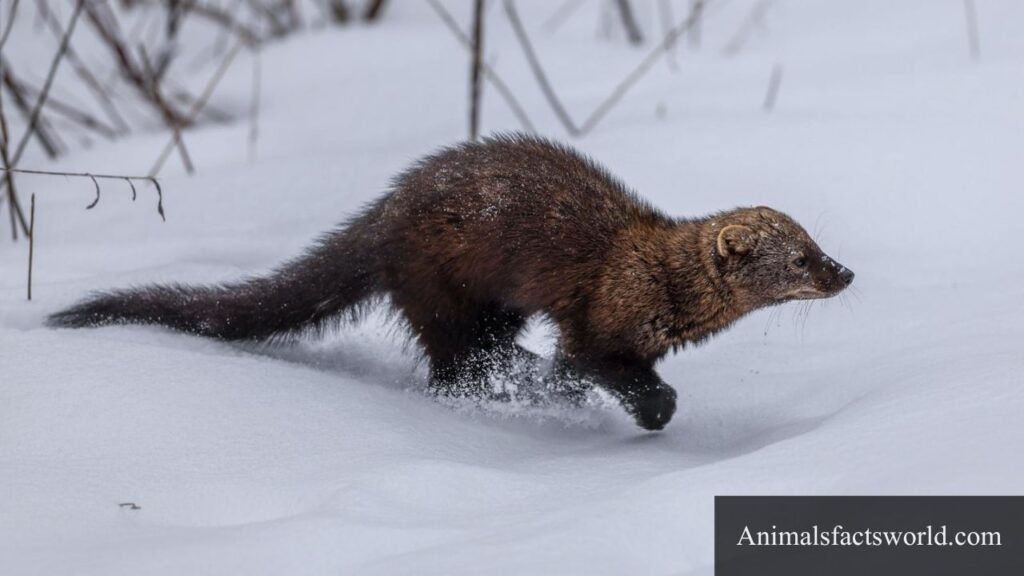
What’s truly fascinating is how fishers have adapted their hunting strategies to thrive in a variety of habitats. They tend to hunt during daylight hours, which contrasts with many of their prey that are largely nocturnal. This unique behavior allows fishers to surprise foxes, utilizing their speed and agility to gain an upper hand. Beyond just the physicality of these encounters, this predator-prey dynamic sheds light on the ecological role of fishers in controlling fox populations, thereby influencing the broader ecosystem. In regions where both species coexist, the presence of fishers might help maintain a healthy balance, reminding us of the complex relationships that define wildlife communities.
Arctic Wolf
Scientific Name: Canis lupus arctos
Class: Mammalia
Diet: Carnivore
The Arctic Wolf, a specialized predator of the harsh tundra, has a unique relationship with its ecosystem, which sometimes includes preying on foxes. Adapted to extreme cold, these wolves possess both physical endurance and strategic hunting skills, often operating in packs to tackle larger prey. However, when food scarcity strikes, a solitary fox can become an opportunistic meal. This dynamic exemplifies nature’s balance, where even the most cunning of animals must be alert in the face of larger predators.
The Arctic Wolf’s predation on foxes is not just a byproduct of hunger; it also reflects a deeper ecological narrative. By regulating the fox population, these wolves help maintain a healthy balance within their environment, preventing overgrazing by smaller herbivores that could otherwise flourish unchecked. Yet this predator-prey relationship is a stark reminder of the harsh realities of survival in the Arctic — from the frostbitten tundra to the packs that roam under the midnight sun, every interaction is a lesson in adaptability and resilience. This multifaceted relationship solidifies the Arctic Wolf’s role as both hunter and guardian of its fragile ecosystem.
Coyote
Scientific Name: Canis latrans
Class: Mammalia
Diet: Carnivore
Coyotes have a diverse diet that can surprisingly include foxes. While commonly known for preying on smaller mammals, such as rabbits and rodents, coyotes are opportunistic hunters and won’t hesitate to target a fox when the opportunity arises. This predation often reflects the delicate balance in ecosystems, where competition for resources can drive such interactions. Coyotes are skilled at exploiting their environment, utilizing pack tactics to outmaneuver their more solitary counterparts, like the red or gray fox.
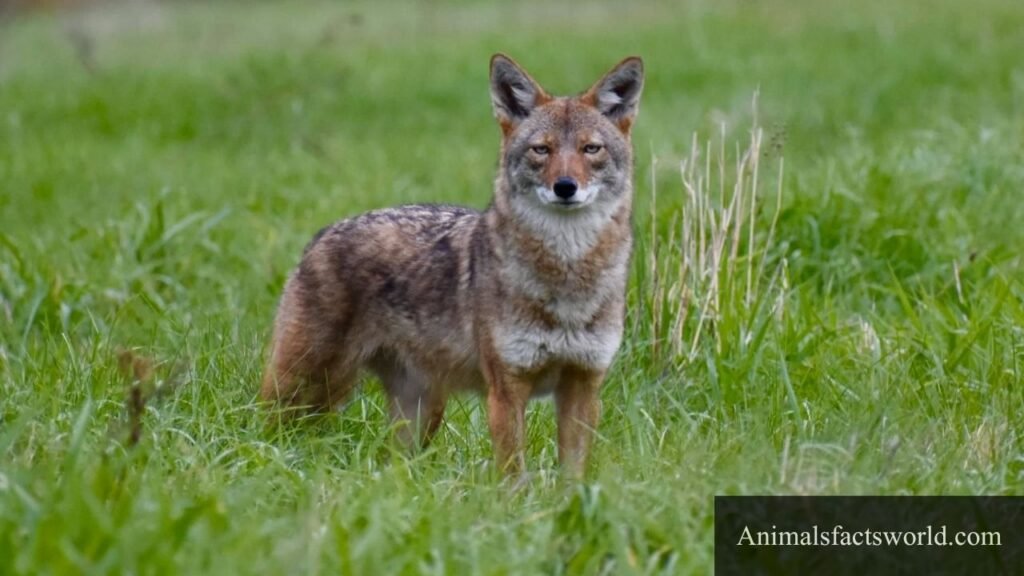
Interestingly, the relationship between coyotes and foxes extends beyond mere predator and prey. Areas where coyotes thrive can actually lead to lower fox populations, strongly influencing local ecosystems. Researchers have noted that in regions with stable coyote populations, foxes often adapt by altering their behavior or territory to avoid confrontation. This dynamic serves as a fascinating example of nature’s complexity, illustrating how species interactions can shape behaviors and populations over time. The next time you spot a coyote, remember that their influence stretches into the lives of foxes and the intricate web of life they navigate.
Golden Eagle
Scientific Name: Aquila chrysaetos
Class: Aves
Diet: Carnivore
The golden eagle, a stunning raptor known for its impressive wingspan and keen hunting instincts, is one of the few animals that preys on foxes. These majestic birds exhibit remarkable agility and stealth, allowing them to swoop down on unsuspecting foxes from above. With speeds reaching up to 150 miles per hour during a dive, the golden eagle can cover considerable ground in a matter of seconds, making it a formidable predator in high-altitude ecosystems.
Golden eagles are opportunistic feeders, often selecting prey based on availability. While they primarily hunt smaller mammals like rabbits and ground squirrels, a fox’s nimbleness and cunning can sometimes lead to its untimely demise, particularly among young or sick individuals. This predatory behavior underscores a delicate balance in nature, where even the cunning fox must remain vigilant against the skies, showcasing the ever-watchful eye of the golden eagle. In the grand tapestry of the food chain, the interactions between these two species highlight the fierce competition for survival in the wild.
Pine Marten
Scientific Name: Martes martes
Class: Mammalia
Diet: Carnivore
The pine marten, while primarily preying on small mammals, birds, and insects, has been known to target young foxes, particularly when food sources are scarce. These cunning creatures, with their beautiful, sleek fur and bushy tails, possess remarkable climbing abilities, allowing them to navigate the treetops with ease. This aerial advantage gives them a unique perspective on their environment, letting them ambush their unsuspecting prey.
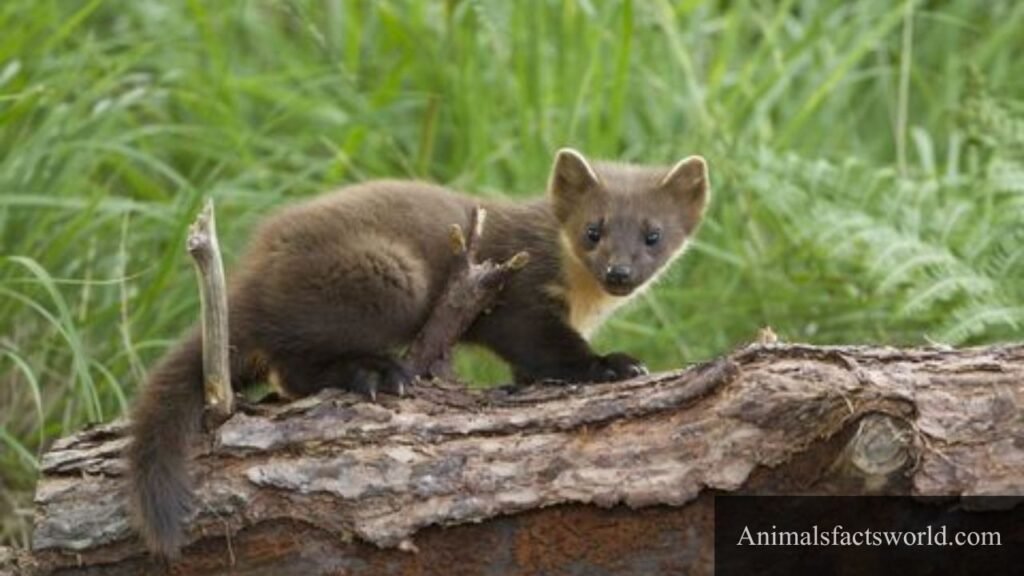
Their rivalry with foxes highlights the intricate web of predator-prey dynamics in forest ecosystems. The pine marten’s opportunistic feeding habits mean it will also scavenge, reinforcing its role as a versatile predator. Beyond survival, this interplay shapes population dynamics, influencing how both species adapt and thrive in their habitats. As foxes train their young in the art of survival, they must remain ever vigilant, a reminder of nature’s constant ebb and flow, where even small predators can make a substantial impact.
Wolf
Scientific Name: Canis lupus
Class: Mammalia
Diet: Carnivore
Wolves, as apex predators, play a crucial role in regulating the populations of various species within their ecosystems, including foxes. Though these cunning canids often rely on smaller prey like rodents or birds, they won’t hesitate to seize the opportunity to hunt foxes when food is scarce. The dynamic between wolves and foxes is fascinating; while both share similar habitats, their hunting strategies and social structures differ significantly, adding layers to their interactions in the wild.
In pack settings, wolves utilize teamwork and strategy, often cornering a fox and employing their strength in numbers to overpower it. This predation is not just about survival; it also highlights the delicate balance of nature. Predators like wolves help keep fox populations in check, which can prevent overgrazing and maintain the health of their shared environment. In turn, this interplay fosters a sense of adaptability among foxes. Their wariness and intelligence often lead them to adopt elusive behaviors or nocturnal habits that allow them to coexist in landscapes shaped by these formidable foes.
Polar Bear
Scientific Name: Ursus maritimus
Class: Mammalia
Diet: Carnivore
As apex predators, polar bears have been known to occasionally partake in the diet of foxes, particularly the Arctic fox. While primarily hunting seals and other marine mammals, these formidable creatures exhibit opportunistic feeding behaviors. When food is scarce, or during the lean months of spring and summer, a polar bear may find a fox to be a tantalizing, albeit smaller, snack. The stark contrast of the snowy Arctic landscape serves as both a hunting ground and a haven for these cunning foxes, but it also spells danger as the climate changes, altering traditional food availability.
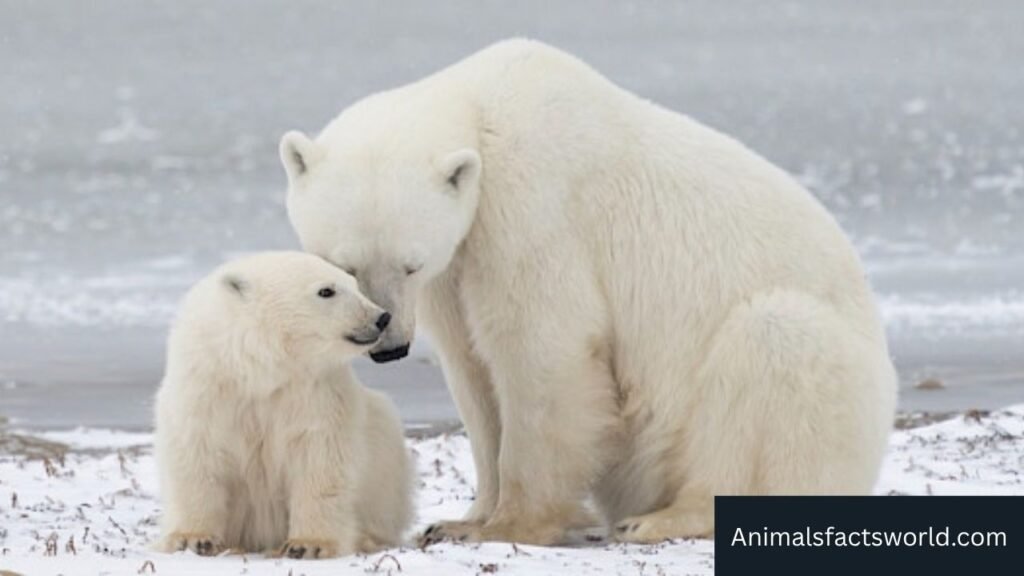
The dynamic between polar bears and foxes showcases the brutal balance of nature, where every creature’s survival hinges on adaptation and opportunism. Interestingly, Arctic foxes have developed behaviors to evade such predation; they may use their agility and keen sense of hearing to detect approaching dangers, often opting for burrows or snow dens as safe havens. This relationship underscores the intricate web of life where even the smallest players are impacted by the ever-shifting realities of their environment. As climate change alters polar ecosystems, the connection between predator and prey continues to evolve, offering a front-row seat to the complexities of survival in the Arctic realm.
Readmore: Explore Top 13 Animals That Eat Turtles.
Final Thoughts
The relationship between foxes and their predators underscores the delicate interplay within food webs. Animals such as coyotes and larger birds of prey remind us that every species has its place and purpose in the environment. This not only showcases the resilience of nature but also emphasizes the need for conservation efforts to protect these vital species interactions. Protecting habitats will ensure that both foxes and their predators continue to exist in harmony. We encourage readers to support wildlife conservation initiatives to help preserve this delicate balance for future generations.
FAQs
What eats foxes?
Foxes have a few natural predators, primarily larger animals. Wolves are one of the main threats, especially in areas where they coexist. They can hunt foxes, particularly when food is scarce. Similarly, mountain lions and coyotes also prey on foxes, especially smaller juvenile ones. In addition to these carnivores, birds of prey like eagles and hawks can sometimes target young foxes.
Do wolves eat foxes?
Yes, wolves can eat foxes, but it’s not very common. Wolves are primarily large pack hunters that focus on bigger prey, like deer and elk. However, if food is scarce or if they are feeling particularly opportunistic, they might hunt smaller animals, including foxes.
Do mountain lions eat foxes?
Yes, mountain lions can eat foxes if the opportunity arises. These big cats are opportunistic predators and primarily hunt deer, but they won’t hesitate to take smaller mammals, including foxes, if they’re hungry or if the prey is vulnerable.