Explore Top 11 Animals That Eat Bones (With Images)
Did you know that some animals can effortlessly crunch through bone like a snack? “Animals That Eat Bones” explores the fascinating creatures with an incredible dietary twist. This topic reveals not only the unique adaptations that allow these animals to thrive but also the ecological roles they play in their environments. By delving into their behaviors and capabilities, readers will gain a deeper understanding of the circle of life and the surprising ways nature sustains itself.
List of Animals That Eat Bones
Below is the list of animals that eat bones:
- Porcupines
- Bearded Vultures
- Cattle
- Hyenas
- Wolverines
- Bears
- Osedax Worms
- Tortoises
- Tasmanian Devils
- Deer
- Giraffes
Porcupines
Scientific Name: Erethizon dorsatum
Class: Mammalia
Diet: Herbivore
Porcupines, often perceived as harmless and quirky creatures, have a surprising penchant for bones that sets them apart in the animal kingdom. This behavior primarily stems from their need for essential minerals, particularly calcium and phosphorus, which are crucial for their bone health and overall strength. While many may envision porcupines munching on bark or leaves, it’s their occasional fascination with bones that highlights their adaptability and resourcefulness in seeking nourishment.
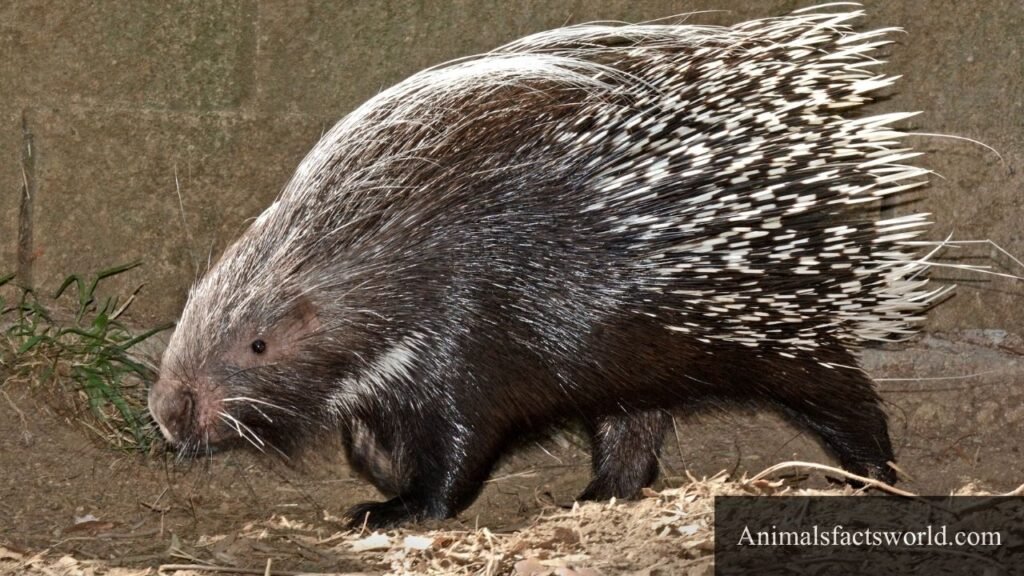
Unlike typical herbivores, porcupines can be seen gnawing on bones they find in their environment, especially during the spring and summer months when nutrient availability is critical. This unusual diet is not just a whimsical curiosity; it’s a strategic survival tactic. By consuming bones, these nocturnal animals supplement their diets, particularly in habitats where mineral-rich food sources might be scarce. Observing a porcupine’s bone-eating behavior is a reminder of the complexities of nature and how even the most seemingly mundane animals develop unique strategies to thrive in their ecosystems.
Bearded Vultures
Scientific Name: Gypaetus barbatus
Class: Aves
Diet: Carnivore
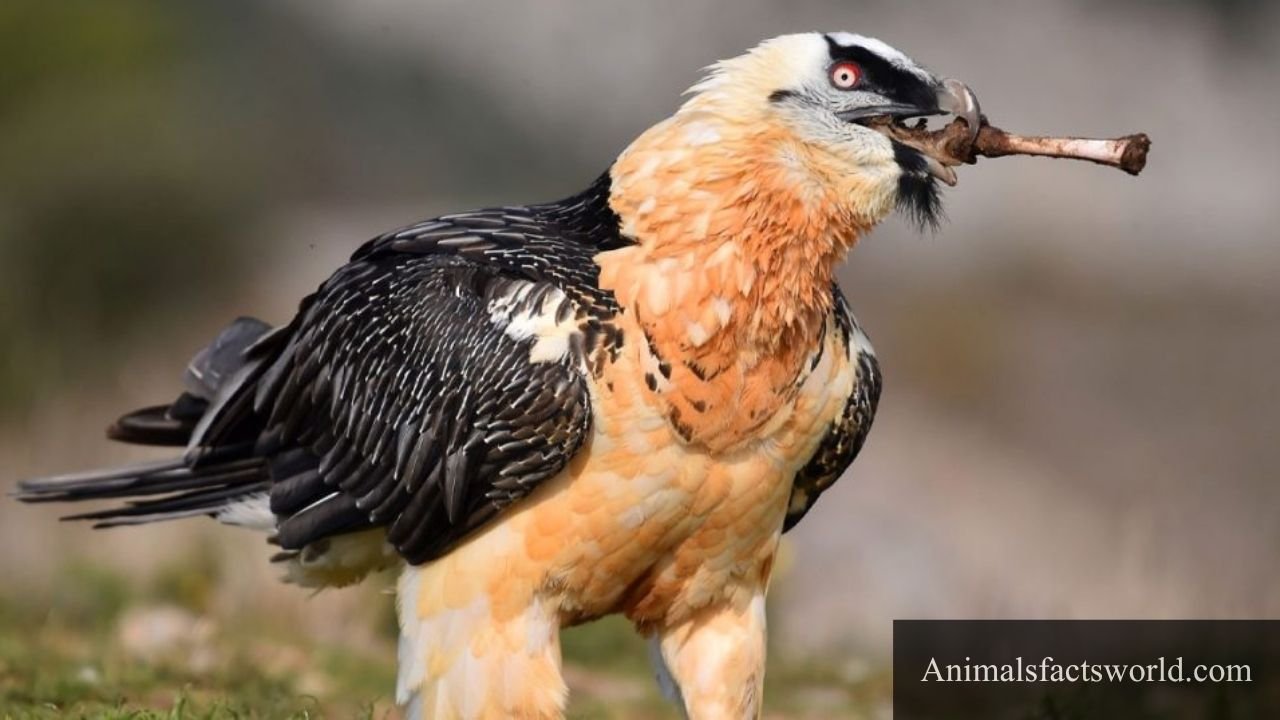
Bearded vultures, often seen soaring majestically at high altitudes in mountainous regions, have a unique culinary specialty of consuming bones. Unlike many scavengers, these remarkable birds are not deterred by the hard, unyielding nature of bone. With powerful beaks designed for tearing apart tough materials, bearded vultures primarily target the bones of large mammals, which they process by dropping them from great heights to shatter them before feasting on the nutrient-rich marrow inside.
This bone-centric diet serves several purposes. Beyond simply providing essential nutrients like calcium and phosphorus, it allows bearded vultures to exploit a food source that few other scavengers can access efficiently. This unusual feeding behavior is so central to their ecology that they can consume significant amounts of bones, occasionally gobbling up to 2-3 kilograms in one sitting. By doing so, they play a pivotal role in their ecosystem, helping to recycle nutrients and maintain the balance among scavenging birds and other wildlife. Their bone-eating habits exemplify nature’s ingenuity, showcasing how specialized adaptations can create niches that sustain ecological diversity.
Readmore: Explore Top 15 Animals That Eat Hay.
Cattle
Scientific Name: Bos taurus
Class: Mammalia
Diet: Herbivore
Cattle may not be the first animals that come to mind when discussing bone-eating behavior, but their relationship with bones reveals fascinating insights into their nutritional needs and natural instincts. While primarily herbivorous, cattle occasionally consume bones, particularly in environments where mineral deficiencies are prevalent. This behavior is often a strategy to obtain essential nutrients like calcium and phosphorus that may be lacking in their forage. By gnawing on bones, they can supplement their diet and maintain healthy growth.
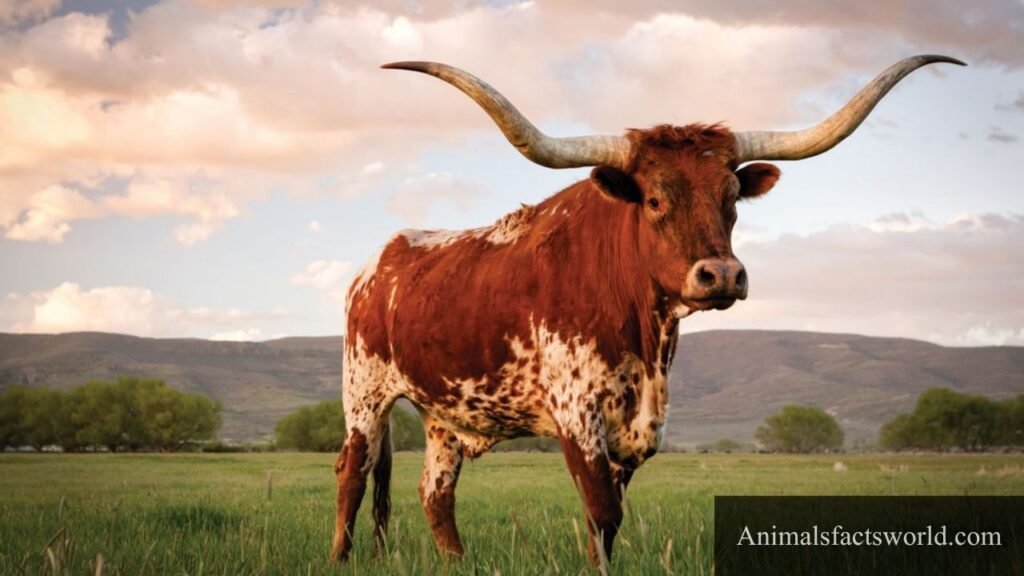
The frequency with which cattle consume bones varies based on their habitat and the availability of other sources of nutrients. In areas with poor-quality pasture, you might spot them occasionally chewing on discarded bones as a means of scavenging. This unusual behavior demonstrates an adaptive strategy, showcasing their ability to exploit available resources for survival. While it may seem peculiar, such acts highlight the essential balance between nutrition and survival in the animal kingdom, challenging our perceptions of herbivory and the complexities of dietary needs in seemingly mono-focused species.
Hyenas
Scientific Name: Crocuta crocuta
Class: Mammalia
Diet: Carnivore
Hyenas are frequently discussed for their scavenging reputation. However, these remarkable animals play a crucial role in their ecosystems, and one of their standout features is their impressive bone-crunching capability. Hyenas possess incredibly strong jaws, equipped with teeth that can pulverize even the densest bones. This adaptation allows them to access the nutrient-rich marrow contained within, providing them with essential fats and proteins that are crucial for survival, especially during lean times.
Interestingly, hyenas don’t just consume bones for sustenance; they also utilize them as tools in their social dynamics. The act of bone chewing is communal, often seen as a bonding ritual among clan members. By sharing bone remnants, hyenas reinforce their social hierarchies and maintain group cohesion. Moreover, their bone-eating behavior occurs regularly, as they can devour an entire carcass, including bones, within minutes. It’s estimated that a single hyena can consume up to 15 pounds of food in one sitting, showcasing their remarkable ability to thrive in environments where food is scarce. This unique feeding strategy not only highlights their adaptation but also emphasizes their vital role in recycling nutrients in the savanna ecosystem.
You can also read: Explore Top 11 Animals That Eat Pumpkins.
Wolverines
Scientific Name: Gulo gulo
Class: Mammalia
Diet: Carnivore
Wolverines have a unique penchant for gnawing on bones, a behavior that speaks volumes about their survival instincts. These tenacious scavengers possess powerful jaws and teeth, enabling them to crush even the hardest bones. This ability is not merely a quirky dietary choice; it serves essential functions in their ecosystem. By consuming bones, wolverines extract valuable nutrients such as calcium and phosphorus, which are critical for maintaining bone health and energy levels, especially in the harsh, frigid climates they inhabit.
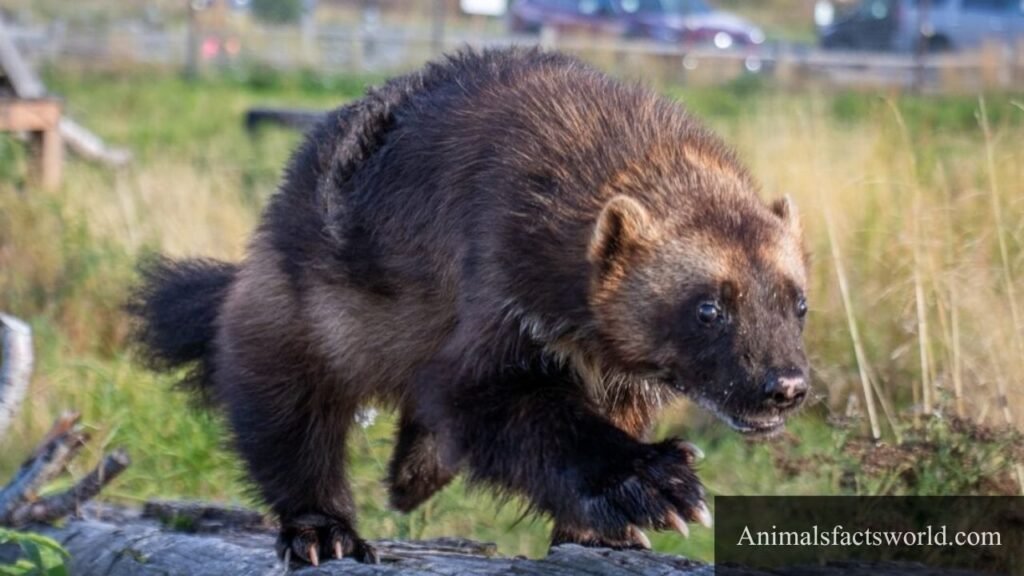
In addition to nutritional benefits, wolverines play a pivotal role in their environment by breaking down carrion left by larger predators. This behavior not only helps recycle nutrients back into the ecosystem but also acts as a natural clean-up crew, preventing the spread of disease. While they routinely scavenge on carcasses, including those of deer and elk, they take advantage of leftover bone matter whenever the opportunity arises, showcasing their adaptability in resource-scarce environments. Observations suggest that wolverines may consume bones more frequently during winter months when food becomes scarce, highlighting their remarkable resilience and tenacity in the face of adversity.
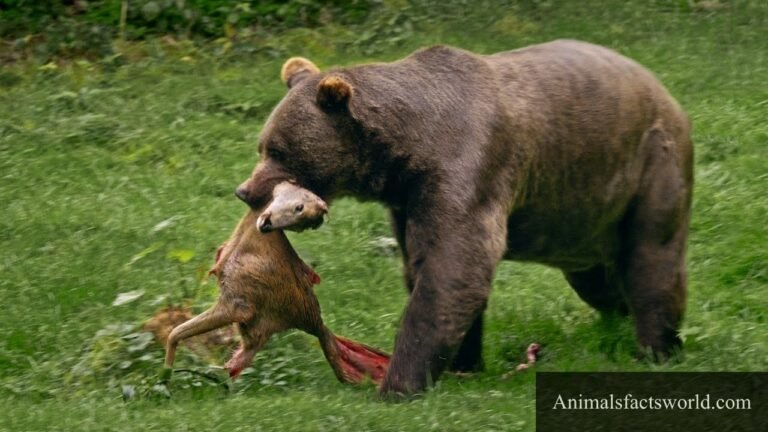
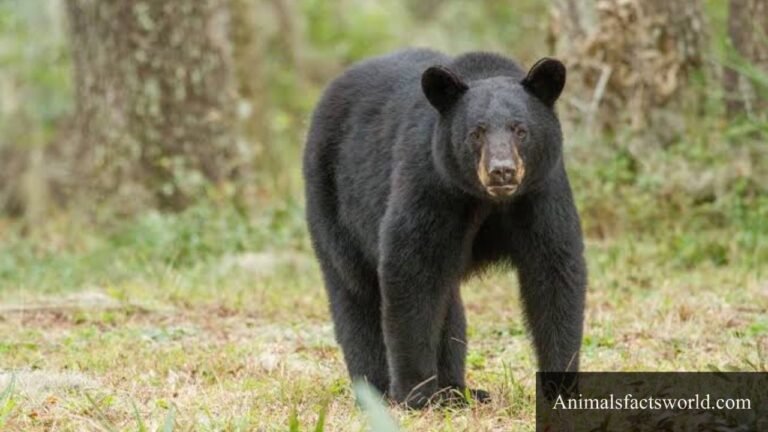
Bears
Scientific Name: Ursus americanus
Class: Mammalia
Diet: Omnivore
Bears are often seen as omnivorous scavengers, but their propensity for bone consumption reveals an intriguing aspect of their dietary habits. In search of additional nutrients, particularly calcium and phosphorus, bears have been known to crack open the bones of their prey. This behavior intensifies during the summer months when they are preparing for hibernation, as the additional minerals help build fat reserves that sustain them through long periods of dormancy.
Interestingly, bears don’t just gnaw on bones casually; they exhibit a remarkable ability to locate nutrient-rich marrow buried deep within. This part of the bone is particularly sought after, providing essential fats that support the bear’s energy needs. The act of consuming bones is not only about nutrition — it’s a learned behavior passed down through generations. Young bears observe their mothers focusing on bone consumption, cementing its importance in their survival toolkit. Understanding this aspect of bear behavior further emphasizes the complex web of interactions within ecosystems, revealing how these formidable creatures utilize every part of their environment to thrive.
Also read: Explore Top 13 Animals That Eat Grapes.
Osedax Worms
Scientific Name: Osedax mucofloris
Class: Polychaeta
Diet: Carnivore
Osedax worms, often referred to as “bone-eating snot-flower” worms, possess a remarkable ability to extract nutrients from the bones of deceased marine animals. Found in the depths of the ocean, these fascinating creatures thrive in environments where organic matter is scarce. By using specialized acid to dissolve the bone, they access the collagen and lipids stored within, turning what many would consider mere remnants into a veritable feast. This adaptation not only showcases their unique digestive capabilities but also plays a crucial role in the deep-sea ecosystem, recycling nutrients and sustaining diverse marine life.

These worms are not solitary diners; they often cluster around large bone piles, feasting together in what resembles an underwater banquet. Their voracious appetites lead them to consume bones quite rapidly — within a matter of months, they can completely strip a skeleton. This behavior raises intriguing questions about the interconnectedness of life in the ocean — how the death of one creature becomes sustenance for another. By consuming bones that would otherwise remain untouched, Osedax worms highlight the importance of scavengers in maintaining ecological balance, illustrating the intricate web of life that thrives even in the darkest depths of our oceans.
Tortoises
Scientific Name: Testudinidae
Class: Reptilia
Diet: Herbivore
Tortoises are often viewed as gentle herbivores, but some species exhibit surprising dietary habits that include munching on bones. This behavior primarily stems from their need for calcium and other minerals, particularly in habitats where plant-based sources are scarce or insufficient. Consuming bones provides a rich source of these essential nutrients, ensuring strong shell development and overall health.
Interestingly, this bone-eating behavior isn’t a daily ritual; rather, it’s opportunistic. Tortoises may nibble on bones they encounter in their environment, particularly during the dry seasons when vegetation is limited. This unique adaptation highlights the resourcefulness of these reptiles, ensuring they can thrive in diverse and challenging ecosystems. Observing tortoises foraging for bones not only offers a glimpse into their complex diets but also sheds light on the interconnections between animal behavior and environmental survival.
You can also read: Explore Top 15 Animals That Eat Algae.
Tasmanian Devils
Scientific Name: Sarcophilus harrisii
Class: Mammalia
Diet: Carnivore
Tasmanian devils are remarkable scavengers known for their bone-crunching capabilities, a unique trait that sets them apart in the animal kingdom. Their powerful jaws allow them to bite down with immense force, enabling them to consume not just the soft tissue of carcasses but also the hard, mineral-rich bones. This behavior plays a crucial role in their ecosystem, as they help recycle nutrients back into the soil, contributing to the health of their environment.
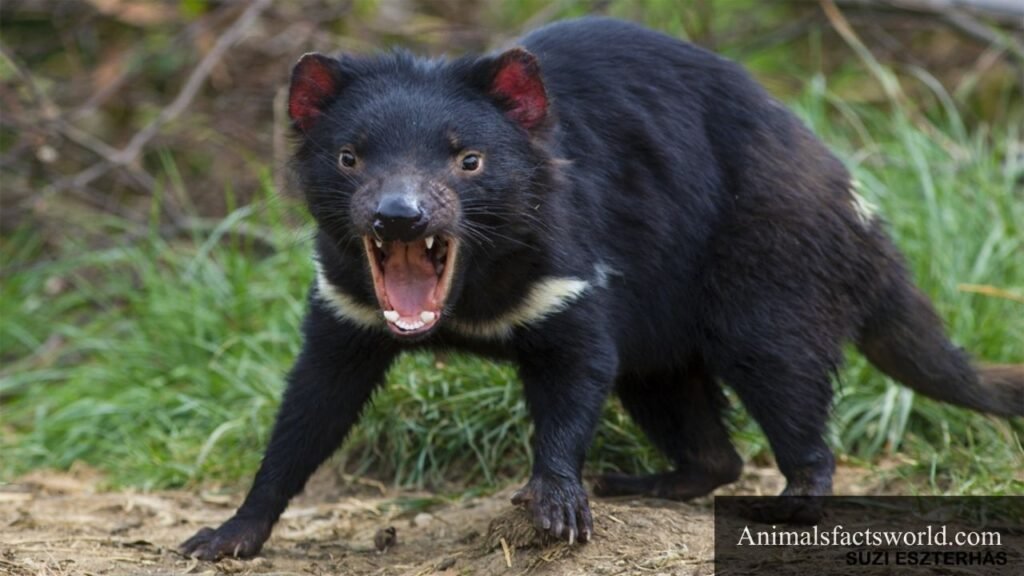
Interestingly, Tasmania’s rugged landscape and limited food availability often push devils to rely on every part of a carcass, bones included. They can consume bones with impressive efficiency, doing so often enough to sustain their energy needs, particularly during the cooler months when food scarcity is a concern. This ability to digest bones not only aids in their survival but also showcases a fascinating evolutionary adaptation that may offer insights into the management of bone-rich diets among carnivorous mammals. Engaging with these creatures offers a deeper understanding of how scavengers can maintain ecological balance while highlighting the often-overlooked roles of lesser-known species in nature’s intricate web.
Deer
Scientific Name: Odocoileus virginianus
Class: Mammalia
Diet: Herbivore
While deer are primarily known as herbivores with a diet consisting of grasses, leaves, and twigs, they sometimes exhibit bone-eating behavior, especially during harsh winters or in nutrient-poor environments. This unusual dietary choice is believed to stem from the need to supplement their mineral intake, particularly calcium and phosphorus, which are crucial for bone health and reproductive success. Observing a deer gnawing on bones offers a fascinating insight into their adaptability and resourcefulness.
Interestingly, this behavior is not very common and usually occurs infrequently, often during times of stress or scarcity of traditional food sources. In such situations, deer may inadvertently turn to bones left over from predation or scavenging, adhering to a more opportunistic feeding strategy. This adaptability highlights the survival instincts of deer and their ability to pivot in response to environmental challenges, essentially blurring the lines of traditional herbivorous diets. As we continue to study deer and their diets, we uncover deeper connections within ecosystems and better understand how animals utilize available resources in ways we might not expect.
Giraffes
Scientific Name: Giraffa camelopardalis
Class: Mammalia
Diet: Herbivore
Giraffes, with their long necks and towering stature, are often misunderstood when it comes to their eating habits. While primarily herbivores, they sometimes engage in a peculiar behavior: consuming bones. This unusual dietary choice is believed to stem from mineral deficiencies, particularly in calcium and phosphorus, which are critical for maintaining their massive size and sustaining healthy bones and teeth. By gnawing on bones, giraffes can access these vital nutrients, addressing deficiencies that might arise from their leafy diets.
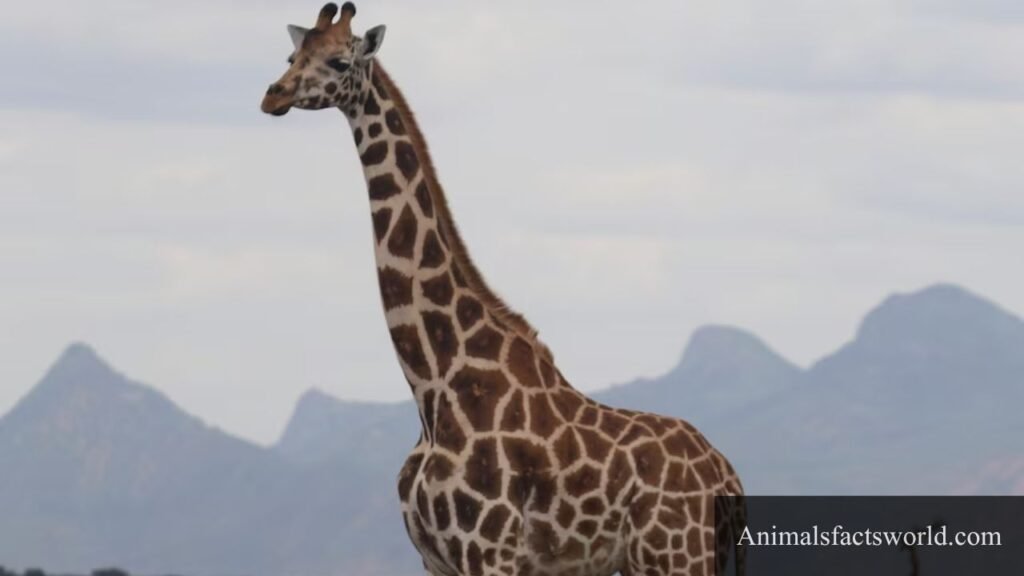
Interestingly, this behavior is not common and tends to be observed more frequently in environments where food quality is poor or during droughts. The act of eating bones is thought to be a learned behavior rather than an instinctual one, highlighting the adaptability of giraffes in coping with their surroundings. While it’s not a regular part of their diet, giraffes occasionally resort to bone consumption to supplement their nutrient intake, proving that even the most majestic animals can adopt surprising strategies for survival in the wild.
You can also read: Explore Top 17 Animals That Eat Insects.
Final Thoughts
Animals that eat bones play a vital role in their ecosystems by recycling nutrients and contributing to the balance of their habitats. From scavengers like hyenas to specialized predators such as certain species of fish, these creatures showcase a unique adaptation that enables them to thrive in environments where others may struggle. Their ability to consume and digest bones not only sustains their lives but also benefits other wildlife by ensuring that carcasses do not go to waste. Understanding their role can foster greater appreciation for the interconnectedness of nature and the intricate food webs within them.
FAQs
What kind of animals eat bones?
Hyenas are probably the most well-known for this behavior; they have incredibly strong jaws that can crush bones, allowing them to access nutrient-rich marrow. Their scavenging habits let them make the most of resources other predators leave behind. Certain birds, like vultures and ravens, also eat bones. Vultures often feed on carcasses and can swallow smaller bones whole, while ravens can use tools to break bones open to get at the marrow inside. Even some reptiles, like alligators, are known to eat bones, helping them to derive calcium from their prey.
What animal eats bones only?
The animal most famously known for eating bones is the hyena. These scavengers have incredibly strong jaws that allow them to crush and consume bones, extracting nutrients that many other predators can’t. Their diet consists of carrion, and they are known to scavenge remains left by larger animals, making bones a significant part of their nutrition. Another noteworthy contender is the bone-eating snot flower (Osedax), a type of deep-sea worm. It doesn’t eat bones in the traditional sense, but it breaks down and consumes the fats and proteins found in whale bones.
Do hyenas eat bones?
Yes, hyenas do eat bones. They have incredibly powerful jaws and teeth designed to crush and grind, allowing them to consume even the hardest bones. This ability helps them extract valuable nutrients, like marrow, which is often rich in fat and protein.