Top 11 Animals That Eat Sea Urchins (With Images)
Despite having a spiky body, sea urchins are diet of many of animals in the marine ecosystems. In fascinating world of animals that eat sea urchins, we explore the importance of these predators in maintaining balance within coral reefs. Understanding this relationship not only highlights the intricate web of ocean life but also provides insights into conservation efforts. By the end, you’ll have a greater appreciation for these unique predators and their impact on our oceans.
List of Animals That Eat Sea Urchins
Here is the list of animals that eat sea urchins:
- Sea otters
- Sunflower sea stars
- Wrasse
- Triggerfish
- Wolf eels
- Horn sharks
- Cod
- Crabs
- Lobsters
- Seagulls
- Arctic foxes
Sea Otters
Scientific Name: Enhydra lutris
Class: Mammalia
Diet: Carnivore
Sea otters are not just adorable marine mammals; they play a crucial role in maintaining the health of kelp forest ecosystems by preying on sea urchins. These small, spiny creatures can devastate kelp populations when left unchecked, creating “urchin barrens” that threaten the biodiversity of coastal regions. Sea otters deftly use rocks as tools to crack open the tough shells of sea urchins, showcasing their remarkable intelligence and adaptability. This behavior not only highlights their skillful foraging techniques but also emphasizes their place as keystone species in the marine food web.
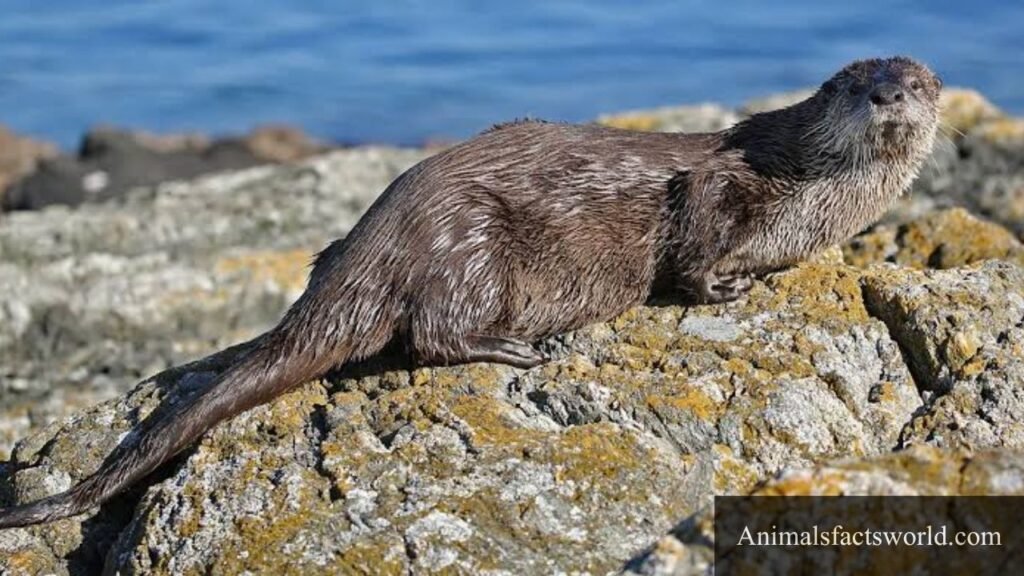
The relationship between sea otters and sea urchins extends beyond mere survival; it influences the entire ecosystem. When otters keep urchin populations in check, kelp forests flourish, providing habitat and food for countless marine species. This dynamic demonstrates a fascinating interconnectedness within marine environments, illustrating how the decline of a single species can trigger cascading effects throughout the ecosystem. As conservation efforts focus on protecting sea otters, their role in promoting healthy marine habitats underscores the importance of preserving these charming creatures for the sake of ecological balance.
Sunflower Sea Stars
Scientific Name: Pycnopodia helianthoides
Class: Asteroidea
Diet: Carnivore
Sunflower sea stars, with their impressive arm count that can reach up to 24, are among the most effective predators of sea urchins. These echinoderms arms allow them to navigate rocky substrates with an impressive array of movement. Their unique ability to regenerate lost limbs not only aids in their survival but also makes them formidable hunters, as they can pursue sea urchins through various crevices that smaller predators might not access.
What sets sunflower sea stars apart is their method of feeding, wherein they evert their stomachs to envelop and digest their prey externally. This mesmerizing process showcases a symbiotic dance between predator and prey, highlighting a balance in the marine ecosystem. As sea urchins proliferate, often leading to overgrazing of kelp forests, sunflower sea stars play a critical role in maintaining ecological harmony, ensuring that kelp forests thrive and support diverse marine life. Their decline, as observed in recent years due to climate change and disease, raises concerns about the cascading effects on these vital underwater habitats.
Wrasse
Scientific Name: Labridae
Class: Actinopterygii
Diet: Carnivore
Wrasses, a diverse family of colorful fish found in shallow waters, have earned a reputation due to their unique role in controlling sea urchin populations. These fish possess powerful jaws and specialized teeth that allow them to deftly graze on spiny sea urchins, which are known for their formidable defenses and high calcium carbonate content. By keeping sea urchin numbers in check, wrasses play a pivotal role in maintaining the health of coral reefs, ensuring that the delicate ecosystem thrives.
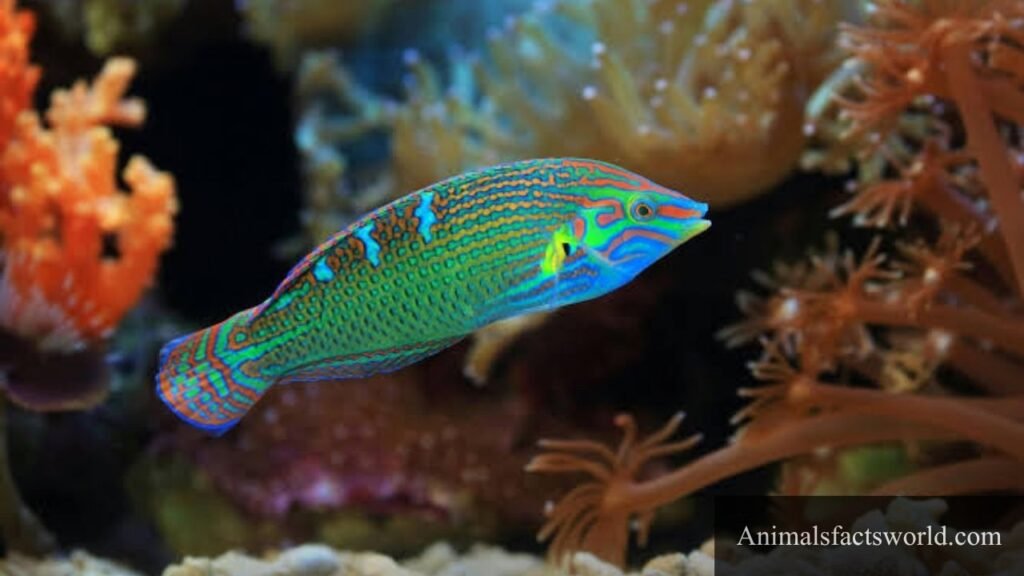
What’s fascinating is the wrasse’s strategic approach to foraging. Many species exhibit remarkable behaviors, such as using rock surfaces to crack open the hard outer shells of sea urchins. Their vibrant colors and lively movements are not just for show; these adaptations help them navigate through the often chaotic reef environment while efficiently hunting for food. This relationship highlights the interconnectedness of marine life — without wrasses managing sea urchin populations, these spiny creatures could overgraze critical algae and corals, leading to devastating repercussions for entire ecosystems. Thus, wrasses embody the intricate balance of marine environments, showcasing how each species plays a vital role in sustaining aquatic life.
Readmore: Explore Top 15 Animals That Eat Algae.
Triggerfish
Scientific Name: Balistidae
Class: Actinopterygii
Diet: Carnivore
Triggerfish are remarkable creatures known for their role in marine ecosystems as voracious predators of sea urchins. These fish possess powerful jaws and specialized teeth that allow them to break through the tough, spiny exterior of sea urchins, making them one of the few species capable of consuming these otherwise well-protected invertebrates. Triggerfish demonstrate a fascinating hunting strategy; they often use their agility to flip urchins off rocky surfaces, exposing their soft, edible interiors while avoiding potential dangers.
The symbiotic relationship between triggerfish and the underwater environment. By controlling sea urchin populations, these fish help maintain the balance of coral reef ecosystems. An overabundance of sea urchins can lead to extensive coral damage, but triggerfish naturally regulate their numbers, contributing to healthier reefs. This dynamic underscores how interconnected marine life can be, where one species’ predatory habits play a pivotal role in sustaining vibrant, biodiverse habitats. Observing this interaction invites deeper appreciation for the complexities of marine ecosystems and the delicate dance of predator and prey.
Wolf Eels
Scientific Name: Anarrhichthys ocellatus
Class: Actinopterygii
Diet: Carnivore
Wolf eels have a unique taste for spiny, often overlooked sea urchins. With their long, flexible bodies and powerful jaws lined with impressive teeth, these fascinating predators are perfectly adapted to hunt their spiky prey. While many creatures shy away from the urchin’s formidable defenses, wolf eels employ a unique strategy: they skillfully use their strong jaws to crush the urchins’ hard exterior, showcasing a remarkable blend of strength and finesse.
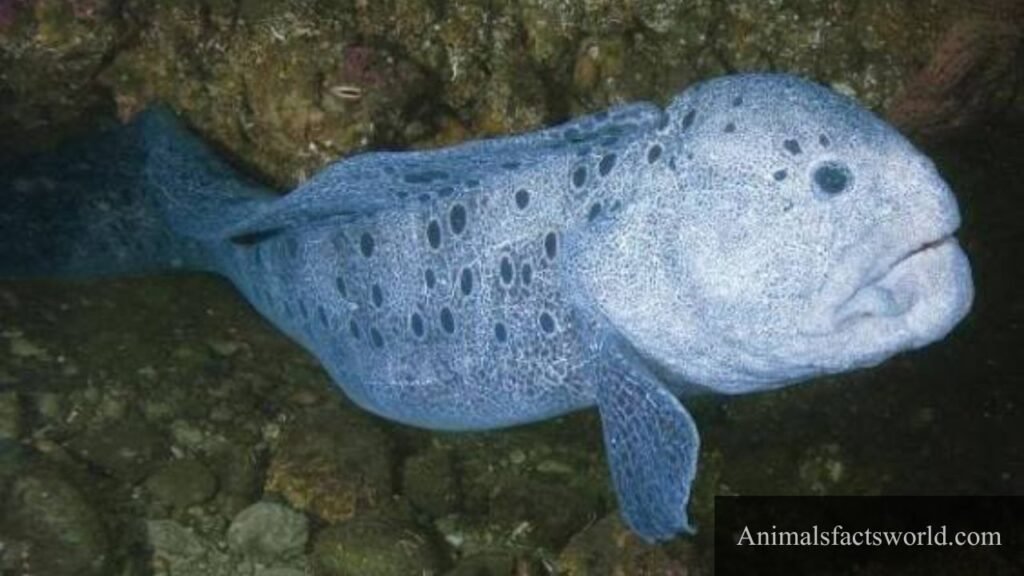
Wolf eels also play a crucial role in maintaining the delicate balance of their marine ecosystems. By controlling sea urchin populations, they help prevent these grazers from decimating kelp forests, which serve as vital habitats for countless marine species. Observing a wolf eel hunt is like watching a master chef at work in an underwater kitchen; every movement is precise, highlighting the intricate relationship between predator and prey. In their pursuit of sea urchins, wolf eels remind us of the hidden stories and dynamics that unfold in the ocean’s depths, encouraging us to appreciate the intricate web of life that thrives beneath the waves.
Horn Sharks
Scientific Name: Heterodontus francisci
Class: Chondrichthyes
Diet: Carnivore
Horn sharks are fascinating little predators that play a vital role in maintaining the balance of marine ecosystems, particularly through their affinity for sea urchins. Equipped with a unique set of grinding teeth, these sharks can effectively crush the hard exterior of a sea urchin, extracting its nutritious insides. This specialized feeding mechanism not only highlights the remarkable adaptability of horn sharks but also underscores their importance in controlling urchin populations, preventing overgrazing of kelp forests that can devastate marine habitats.
Unlike many larger sharks, horn sharks tend to inhabit shallow waters, often lurking among rocky crevices or coral reefs. This close-to-shore lifestyle allows them to feast on an abundance of sea urchins while simultaneously serving as a reminder of the intricate relationships found in marine food webs. Their nocturnal feeding habits further emphasize the biodiversity of their environments — highlighting the cohabitation of species in these vibrant underwater realms. In this way, horn sharks are not just carnivores; they are essential custodians of their ecosystems, ensuring a dynamic balance between predators and prey in the ocean’s depths.
Cod
Scientific Name: Gadus
Class: Actinopterygii
Diet: Carnivore
Cod, a prominent figure in marine ecosystems, are not just admired for their flaky, white flesh; they play a vital role as predators of sea urchins. These resilient fish possess an adaptable diet, and their penchant for sea urchins showcases an intriguing aspect of their feeding behavior. When cod consume sea urchins, they don’t just satiate their hunger — they also contribute to maintaining ecological balance. By keeping urchin populations in check, they help prevent overgrazing of kelp forests, thus promoting biodiversity.
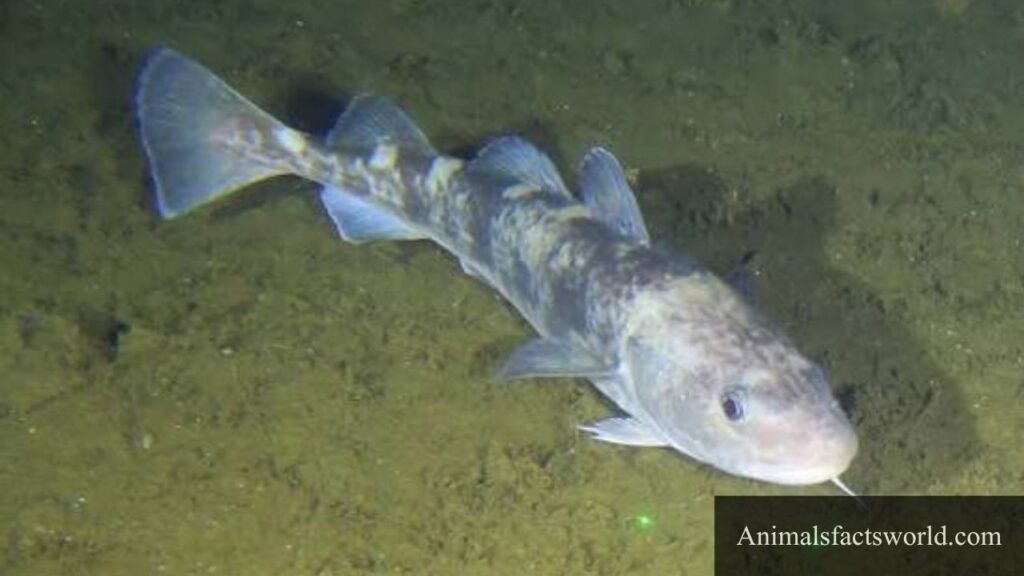
As cod hunt for their spiny prey along rocky seabeds, they exhibit remarkable tactics. Their keen sense of sight and agile swimming help them navigate the often tumultuous currents of the ocean while targeting urchins hiding beneath rocks or in crevices. This unique foraging behavior highlights the intricate predator-prey dynamics that define marine habitats. Moreover, the relationship between cod and sea urchins is a reminder of the interconnectedness within the ocean, illustrating how the health of one species can drastically affect the entire ecosystem.
Crabs
Scientific Name: Brachyura
Class: Malacostraca
Diet: Omnivore
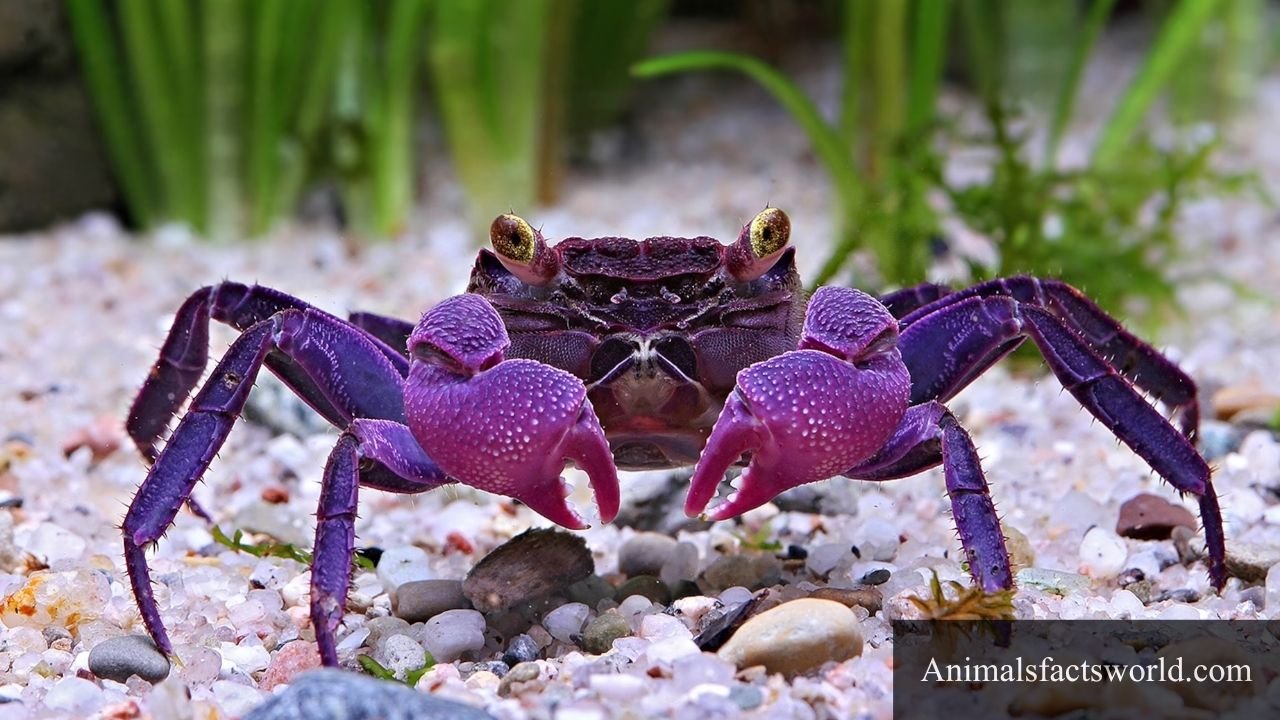
Crabs are fascinating predators in the underwater world, particularly when it comes to their dietary inclinations, including a taste for sea urchins. These crustaceans exhibit an impressive range of feeding behaviors, showcasing their adaptability in diverse marine environments. With their strong pincers, crabs skillfully crack open the hard shells of sea urchins, accessing the nutrient-rich gonads inside, often regarded as a delicacy in various cultures.
Crabs also have a strategic approach when it comes to hunting sea urchins. For instance, certain species of crabs, like the green crab, have been observed to use a stealthy technique, sneaking up on their less mobile prey. This dynamic interaction highlights not just a food chain connection but also a captivating ecological balance. As crabs consume sea urchins, they play an essential role in controlling urchin populations, thus maintaining the health of kelp forests, which depend on a healthy balance to thrive. This relationship sheds light on the interconnectedness of marine ecosystems, revealing how a single species can influence the broader ecological tapestry.
Lobsters
Scientific Name: Nephropidae
Class: Malacostraca
Diet: Omnivore
Lobsters are also formidable predators in their underwater ecosystems. These crustaceans have evolved a specific hunting technique that allows them to feast on sea urchins, a spiny delicacy. Using their formidable claws, lobsters crack the hard exterior of the urchin, exposing the soft, nutrient-rich interior. This not only provides them with essential sustenance but also helps manage the population of urchins, which can otherwise overwhelm marine habitats if left unchecked.
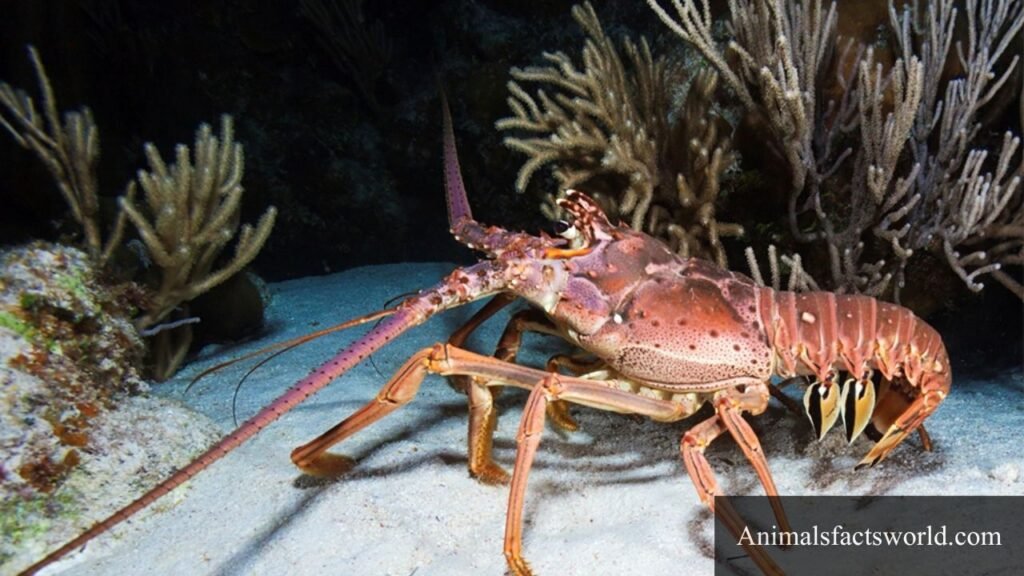
What’s fascinating is the symbiotic relationship that develops in kelp forests, where both species thrive. As lobsters control sea urchin populations, the kelp can flourish, creating a healthier environment for other marine life. This intricate balance highlights the interconnectedness of ocean ecosystems, revealing that the role of lobsters stretches far beyond mere consumption. By understanding this predator-prey dynamic, we gain insight into the broader narrative of marine health and biodiversity, emphasizing the need to protect both lobsters and their habitats for future generations.
Seagulls
Scientific Name: Larinae
Class: Aves
Diet: Omnivore
Seagulls are often seen as scavengers of the seaside, but their dietary habits shows a fascinating relationship with marine life, particularly with sea urchins. These birds have developed a unique feeding strategy to access this spiny delicacy, showcasing their intelligence and adaptability. Some species of seagulls will deftly drop sea urchins from heights onto hard surfaces, cracking the tough exteriors to reach the nutritious insides. This remarkable use of tools highlights an often-overlooked aspect of their behavior.
Moreover, the predation on sea urchins by seagulls plays a significant role in maintaining marine ecosystems. By keeping urchin populations in check, these birds help prevent overgrazing of kelp forests, which are vital habitats for many species and contribute to overall ocean health. As climate change threatens these environments, understanding the interdependence between seagulls and sea urchins could inform conservation strategies. The adaptability of seagulls in utilizing this resource underscores the intricate balance of life along our coastlines, reminding us of the unseen connections that sustain our marine ecosystems.
Arctic Foxes
Scientific Name: Vulpes lagopus
Class: Mammalia
Diet: Carnivore
The Arctic fox stands out not only for its striking seasonal coat changes but also for its resourcefulness as a predator. One of its unique dietary choices includes sea urchins, which may seem unexpected given their icy habitat. When the opportunity arises, these clever foxes dive into coastal waters, using their keen sense of smell and agile bodies to forage for this spiny delicacy. This behavior showcases their adaptability, as they thrive in an environment typically dominated by more terrestrial food sources.
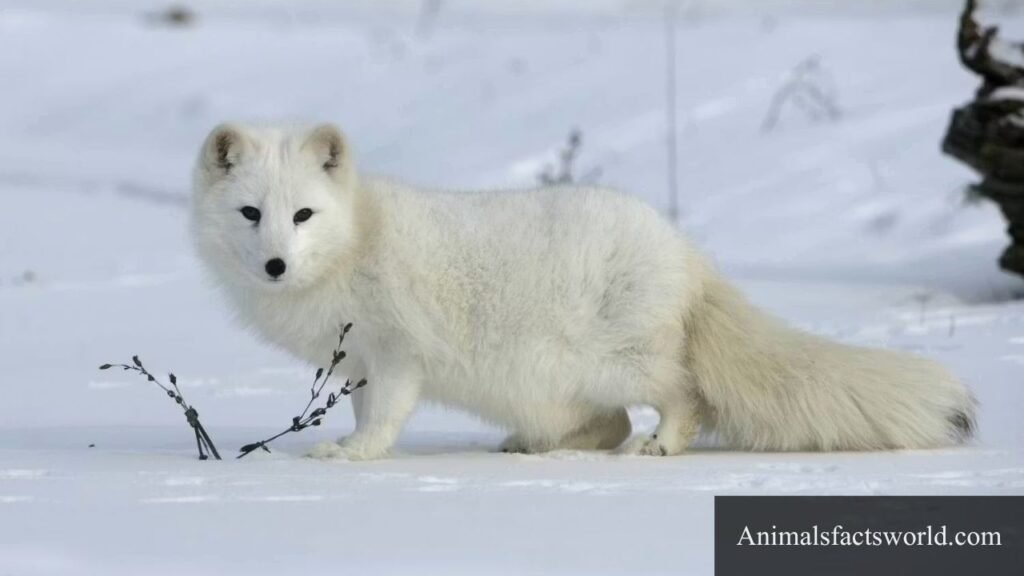
Moreover, consuming sea urchins plays a surprising role in the Arctic ecosystem. By feeding on these marine creatures, Arctic foxes help manage sea urchin populations, which, if unchecked, can overgraze kelp forests and affect the entire coastal food web. The foxes’ actions contribute to a delicate balance, illustrating how terrestrial and marine ecosystems are interconnected, even in the harshest of climates. This not only highlights the versatility of the Arctic fox but also emphasizes the importance of predators in maintaining ecological health across differing environments.
Readmore: Explore Top 13 Animals That Eat Turtles.
Final Thoughts
The intricate relationships between sea urchins and their predators highlight the delicate balance of marine ecosystems. Various animals that eat urchins, from otters to fish, play a crucial role in controlling sea urchin populations, which, when left unchecked, can lead to devastating effects on kelp forests and broader marine habitats. Understanding these relationships not only enhances our appreciation of marine biodiversity but also emphasizes the importance of conservation efforts. Protecting the species that rely on sea urchins for food is vital for maintaining ecological balance in our oceans. By supporting marine conservation initiatives, we can help ensure the health of these vital ecosystems for generations to come.
FAQs
Do seals eat sea urchins?
Yes, seals do eat sea urchins, though they aren’t a primary food source for most species. Seals are opportunistic feeders and their diet mainly consists of fish and squid. However, when other prey is scarce, they might consume various invertebrates, including sea urchins.
What eats sea urchins?
Sea urchins have a few natural predators in their ecosystem. One of the most notable is the sea otter. These clever creatures use rocks to crack open the hard shells of sea urchins, making them a formidable threat. Other predators include certain fish, like the California sheephead, and a variety of starfish, which can pry open and consume urchins as well. Even some birds, such as seagulls, will feed on them when they come into shallow waters.