Top 15 Animals That Eat Chickens (With Images)
Various creatures, from the familiar to the wild, see chickens as a tasty snack. This article dives into the surprising range of animals that eat chickens, highlighting both domestic threats and those found in nature. Understanding these predators not only helps you in protecting your hens but also enriches your knowledge about the ecosystem. Join us as we reveal who these culprits are and how you can safeguard your feathered friends.
List of Animals That Eat Chickens
Here is the list of animals that eat chickens:
- Foxes
- Martens
- Rats
- Coyotes
- Minks
- Hawks
- Wolves
- Bobcats
- Raccoons
- Eagles
- Dogs
- Mountain Lions
- Badgers
- Fishers
- Possums
Foxes
Scientific Name: Vulpes vulpes
Class: Mammalia
Diet: Omnivore
Foxes are cunning predators that have adapted remarkably well to human landscapes, making them a top threat to backyard chickens. With their keen senses and agile bodies, they can swiftly navigate through obstacles, often seeking out chicken coops that are inadequately secured. Not only are foxes adept at hunting in the wild, but their intelligence allows them to observe human behavior, enabling them to time their raids when chickens are least protected.
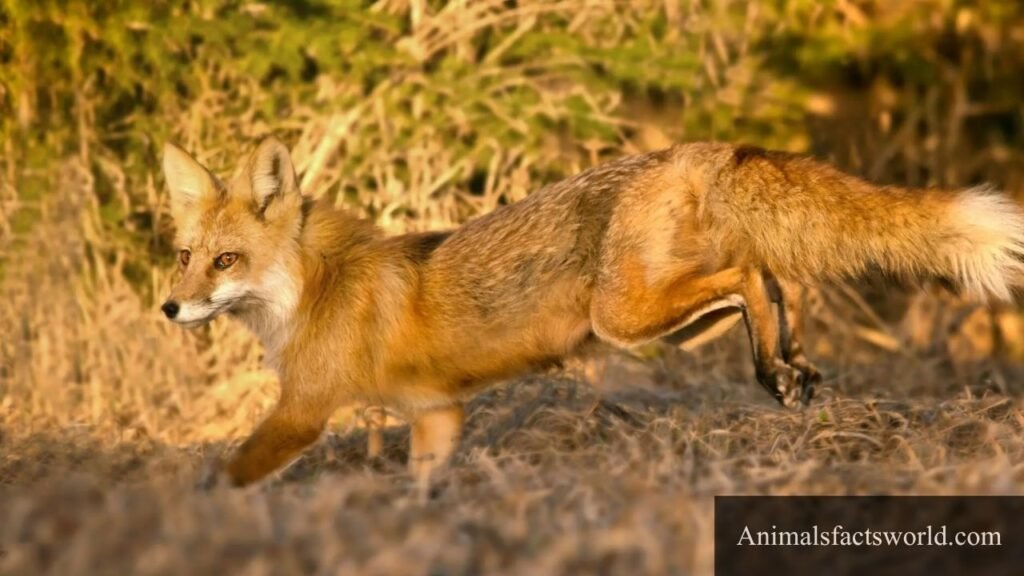
Moreover, foxes have a unique social structure that can influence their hunting tactics. Unlike solitary hunters, some species, like the red fox, may collaborate within family units or social groups, increasing their chances of a successful raid on a chicken coop. This teamwork can lead to intense competition among local fox populations as they patrol territories and stake claims to readily available food sources. Understanding these dynamics can reveal why farmers and backyard chicken enthusiasts must remain vigilant, adjusting their protection methods to counter this intelligent predator.
Martens
Scientific Name: Martes martes
Class: Mammalia
Diet: Omnivore
Martens, small but formidable carnivores, are often overlooked in discussions about poultry predators. These agile mammals possess a sharp intellect combined with an impressive climbing ability, making them adept hunters in various environments. Their keen sense of smell and hearing allows them to locate unsuspecting chickens, often targeting vulnerable chicks or those that stray too far from their coop. Interestingly, martens are not just opportunistic feeders; they exhibit a strategic approach to their hunting, frequently observing their prey before launching into action.
Their presence can pose a significant threat to backyard chicken farms, urging owners to reconsider their protective measures. Utilizing natural deterrents, like planting tall shrubs or installing motion-activated lights, can help keep martens at bay. Understanding the behaviors and habitats of these elusive creatures can enhance a farmer’s ability to safeguard their flock, transforming the chicken coop into an unassailable fortress. Engaging in sustainable practices not only protects livestock but also preserves the delicate balance of local ecosystems where martens play a crucial role as predators.
Rats
Scientific Name: Rattus norvegicus
Class: Mammalia
Diet: Omnivore
Rats are also one of the animals that are surprisingly adept at raiding chicken coops. These cunning rodents possess a remarkable sense of smell and can detect the scent of feed or even the faintest whiff of chicken. What sets them apart is their intelligence; rats can navigate complex environments, making them skilled intruders. Unlike more ferocious predators, rats tend to exploit vulnerabilities, squeezing through tiny gaps and feasting on leftover grain or eggs rather than attacking adult chickens outright.
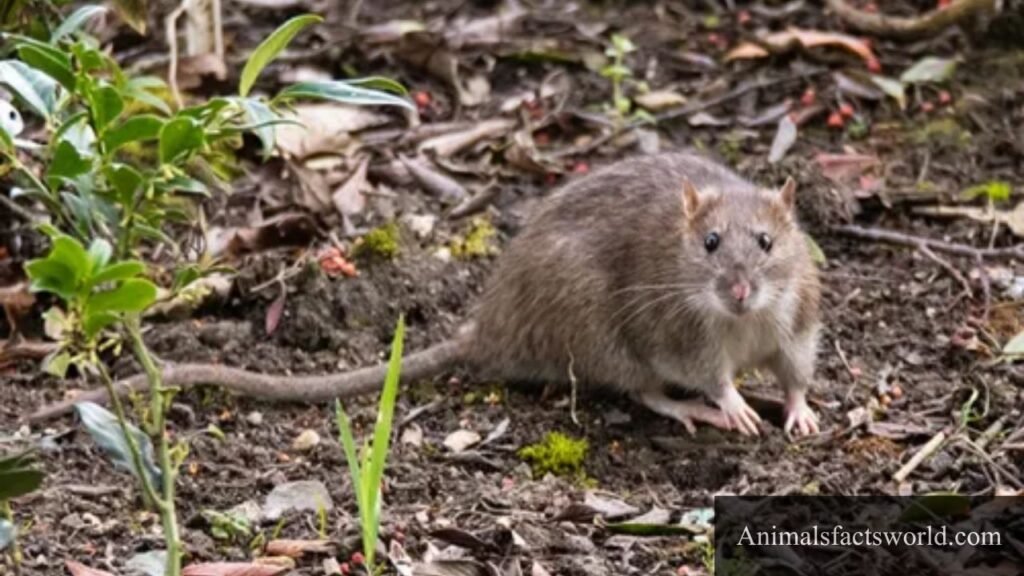
Moreover, their resilience means they can thrive in various environments, from rural farms to urban backyards. A single pair of rats can reproduce rapidly, creating a colony that amplifies the threat to poultry populations. This behavior highlights the importance of effective coop design and maintenance, not just as a defensive measure against larger predators but also to deter these small yet persistent invaders. Thinking creatively about prevention — like using locking mechanisms, sealing gaps, and maintaining cleanliness — can significantly reduce the risk posed by these opportunistic eaters.
Readmore: Explore Top 13 Animals That Eat Cows.
Coyotes
Scientific Name: Canis latrans
Class: Mammalia
Diet: Carnivore
Coyotes, renowned for their adaptability and cunning, pose a significant threat to backyard chicken coops across North America. Their opportunistic nature allows them to thrive in both rural and suburban settings, often lurking on the fringes of human habitation. Beyond their remarkable hunting skills, these canines exhibit a keen intelligence that aids their survival; they can quickly assess their environment, learning which areas offer easy access to prey. This ability to adapt makes them formidable predators, especially when it comes to accessing free-ranging chickens.
What often surprises people is that coyotes typically hunt alone or in small family groups, relying on their stealth and speed rather than the pack strategies of their larger wolf cousins. This solitary approach allows them to approach chickens with a level of cunning that can easily outsmart even the best-guarded coops. Furthermore, coyotes are not exclusively carnivorous; their omnivorous tendencies enable them to vary their diet, which can sometimes include fruits and vegetables. This versatility helps them survive in changing environments, making them one of nature’s most resilient survivors.
Minks
Scientific Name: Neogale vison
Class: Mammalia
Diet: Carnivore
Minks are surprisingly adept hunters, and their affinity for chickens highlights their cunning nature. These sleek, agile creatures can navigate through small openings, making them a serious threat for backyard poultry. A single mink can wreak havoc, often snatching unsuspecting chickens at night when they are most vulnerable. Their predatory efficiency is amplified by their solitary hunting style, requiring minimal effort to stalk and ambush their prey.
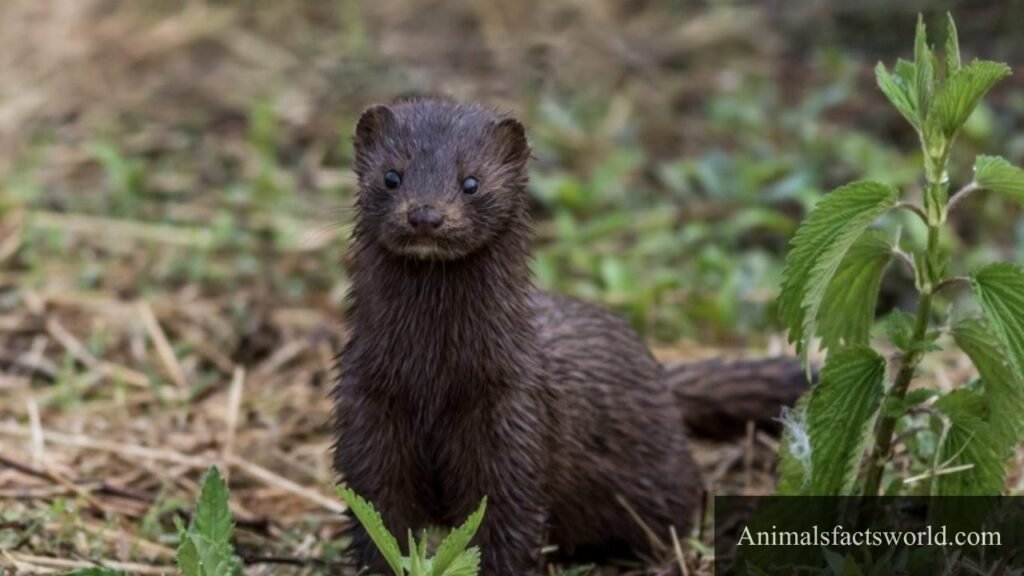
What makes minks particularly interesting is their versatility in diet. While they will hunt chickens when available, they also consume small mammals, birds, and even fish, which reflects their adaptability to varying environments. This opportunistic feeding behavior underlines the importance of effective poultry management; securing coops becomes essential not only for chickens’ safety but for maintaining the balance of the local ecosystem. Understanding the behavior and lifestyle of minks can lead to more sustainable cohabitation strategies — turning these carnivorous marauders into a fascinating topic of study for farmers.
Hawks
Scientific Name: Accipitridae
Class: Aves
Diet: Carnivore
Hawks are skilled aerial hunters, mastering the art of stealth and precision that makes them formidable predators in the avian world. With keen eyesight capable of spotting prey from great heights, they can quickly swoop down to capture unsuspecting chickens, often before the birds realize there’s danger. Their impressive wingspan allows for agile maneuvers, enabling them to navigate through trees and other obstacles with ease, making them a challenge for even the most vigilant henhouse guardian.
Interestingly, hawks play a vital role in maintaining ecological balance. Their predation helps control the population of smaller birds and pests that can compete with chickens for resources. This natural form of pest management underscores the interconnectedness of nature, highlighting how each species contributes to the health of its environment. Rather than viewing hawks solely as threats, farmers and poultry enthusiasts can consider strategies that accommodate these majestic birds while safeguarding their flocks. Utilizing protective enclosures and providing ample cover for chickens can create a harmonious coexistence, allowing hawks to thrive while keeping the poultry safe.
Wolves
Scientific Name: Canis lupus
Class: Mammalia
Diet: Carnivore
Wolves, often painted as the ultimate symbol of the wild, bear a surprising role in the dynamics of poultry predation. While they primarily hunt larger prey, such as deer, their opportunistic nature means that a free-range chicken coop can easily become an irresistible target. The pack mentality of wolves allows them to coordinate attacks, making them highly efficient hunters. Imagine the sudden silence of a countryside evening, only to be shattered by the distant howls as a wolf pack strategizes their nocturnal raid.
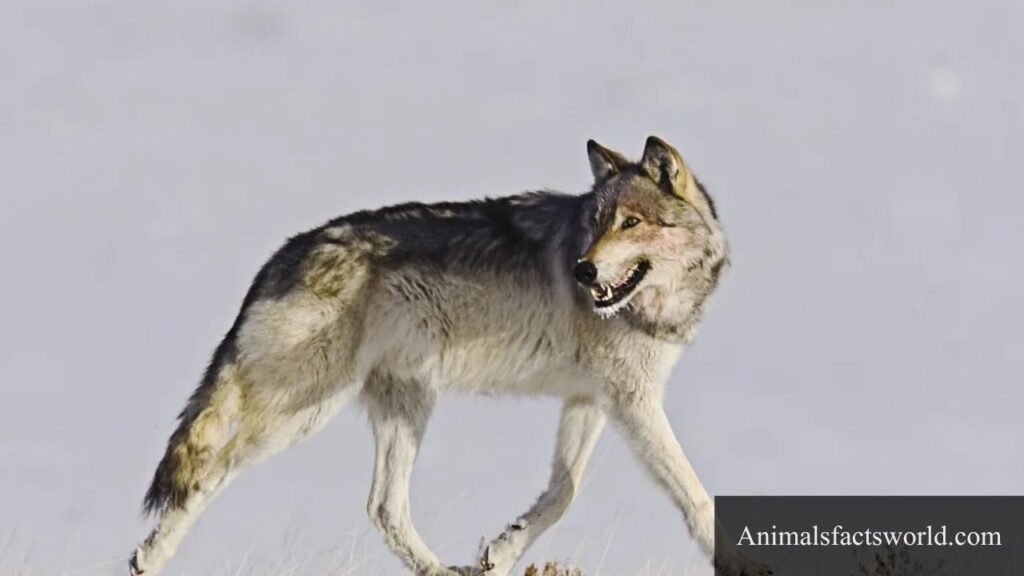
Wolves also play a crucial role in regulating prey populations, and their presence can drive the behavior of various species within an ecosystem. By thinning the numbers of small mammals, they indirectly protect chickens from other potential predators, such as raccoons or foxes. This complex interplay can be both alarming and fascinating, showcasing how the natural world is woven together in unexpected ways. While we focus on safeguarding our backyard chickens, understanding these dynamics can foster a deeper respect for wolves and their vital role in maintaining ecological balance.
Bobcats
Scientific Name: Lynx rufus
Class: Mammalia
Diet: Carnivore
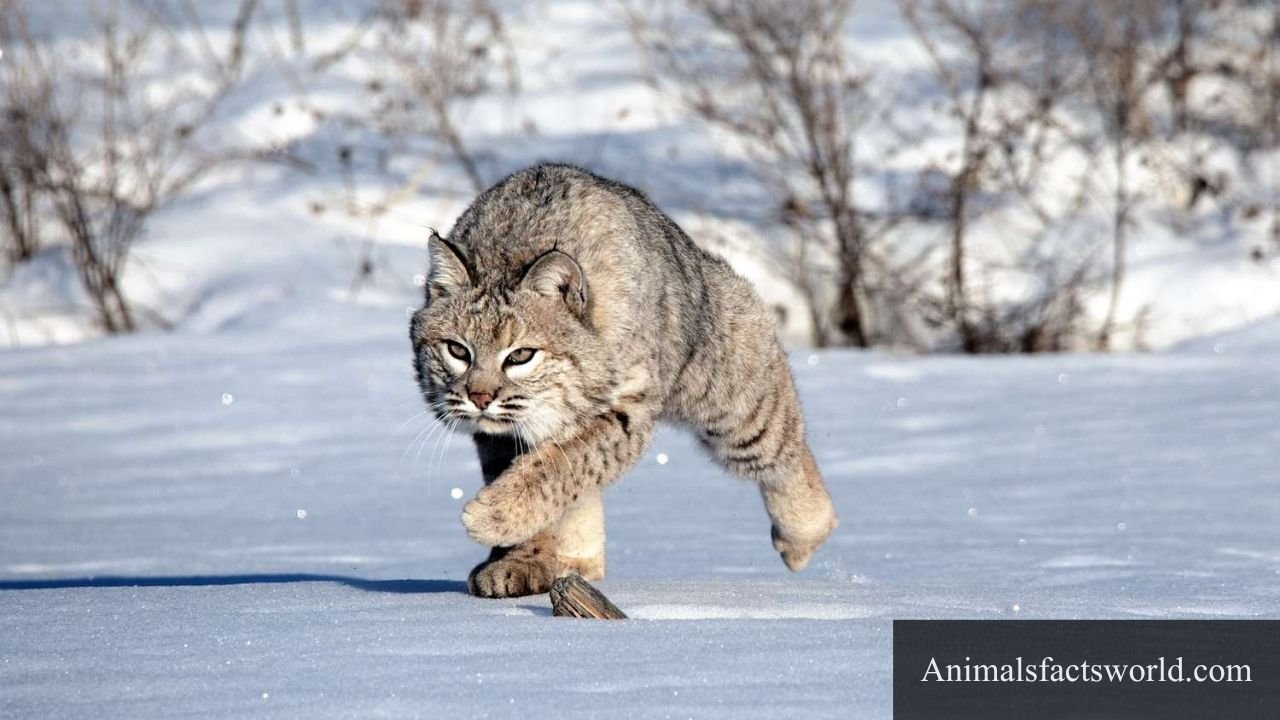
Bobcats are stealthy predators that inhabit a variety of environments, including forests, wetlands, and even suburban areas. Their adaptability allows them to thrive close to human populations, which can often lead to conflicts with backyard poultry owners. These agile hunters utilize their keen senses and powerful limbs to navigate through diverse terrains, making them effective at ambushing unsuspecting prey. With their distinctive tufted ears and spotted fur, bobcats are not only fascinating to observe in the wild but also skilled in their pursuit of chickens.
One of the most intriguing aspects of bobcats is their hunting strategy. Unlike many larger predators, they prefer to stalk their prey with calculated patience, relying on their exceptional camouflage and keen eyesight. When targeting chickens, a bobcat will often wait for the right moment, taking advantage of distractions or the cover of darkness to make a swift and silent attack. This behavior serves as a reminder of the delicate balance within ecosystems, where even seemingly benign backyard chickens become part of the natural food web.
Raccoons
Scientific Name: Procyon lotor
Class: Mammalia
Diet: Omnivore
Raccoons are masterful foragers equipped with dexterous paws and keen intelligence. Their curious nature leads them to chicken coops, where they can easily unlatch doors or squeeze through small openings. Unlike many predators that attack head-on, raccoons tend to employ stealthy tactics, often waiting until dusk or dawn when chickens are least vigilant. This behavior emphasizes the importance of secure coops, as their problem-solving abilities can turn a seemingly secure enclosure into an easy target.
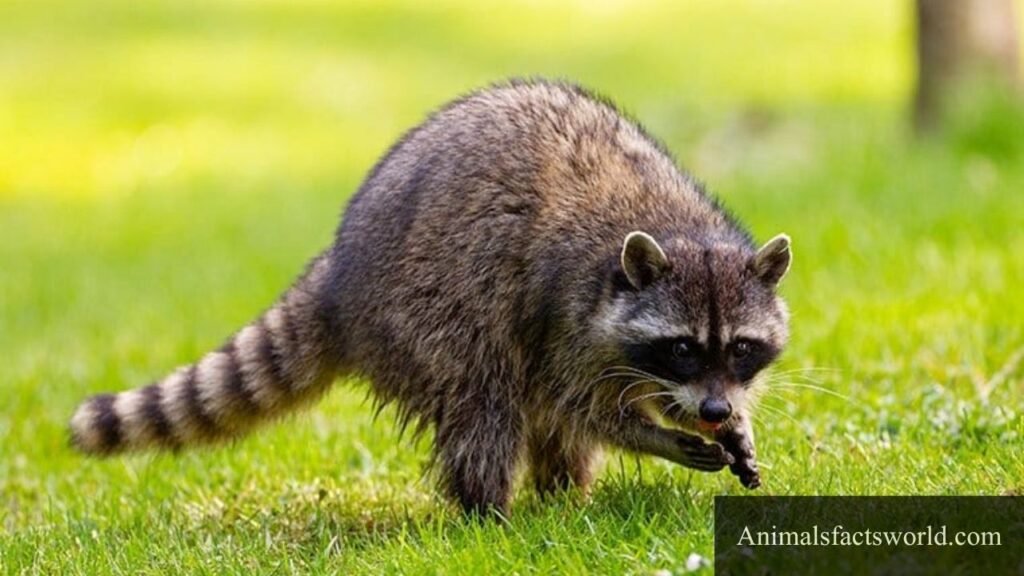
Raccoons have a diverse diet ranging from berries to insects, but the allure of chickens becomes particularly potent during certain seasons when their natural food sources dwindle. This adaptability is a crucial trait for survival, but it also means that chicken keepers must remain vigilant year-round. In addition to physical security, raccoons also rely on a network of communication and scent-marking, which fosters their communal behavior — essentially letting others know when a well-stocked chicken coop may be vulnerable. By understanding the cunning nature of raccoons, chicken owners can take proactive measures to safeguard their flocks, ensuring a peaceful, predator-free environment.
Eagles
Scientific Name: Accipitridae
Class: Aves
Diet: Carnivore
Eagles are formidable predators that sometimes set their sights on chickens. With their incredible vision, eagles can spot potential prey from miles away, making them effective hunters. Their aerial prowess allows them to swoop down quickly, catching unsuspecting chickens off guard. This predatory behavior is not merely an act of survival; it showcases the intricate balance within ecosystems, where even domesticated animals like chickens become part of the natural food chain.
Eagles exhibit different hunting techniques depending on the environment. In open fields, they may rely on a combination of speed and agility, while in wooded areas, stealth becomes their ally. Observing an eagle in action unveils a fascinating dynamic — one that emphasizes the importance of awareness in keeping chickens safe. Farmers often implement protective measures like covered runs or livestock guardian dogs to mitigate this threat, showcasing how humans adapt to and coexist with the wild. Thus, the presence of eagles not only serves as a reminder of nature’s raw power but also prompts a dialogue about the responsibilities of guardianship in a shared ecosystem.
Dogs
Scientific Name: Canis lupus familiaris
Class: Mammalia
Diet: Omnivore
Dogs, often considered man’s best friend, can also pose a significant threat to backyard chickens. While pets are usually gentle companions, their instincts can drive them to chase, nip, and even kill birds. Breeds with strong prey drives, such as terriers and herding dogs, view chickens as intriguing targets, making it essential for chicken owners to be vigilant. Proper training and socialization can mitigate these tendencies, but the instinctual chase is often just a heartbeat away.

Interestingly, dogs can also serve as an unlikely protective ally for chickens. With the right introduction and training, certain breeds can coexist peacefully with poultry, guarding them from other predators. For instance, livestock guardian dogs such as Great Pyrenees or Maremmas can form strong bonds with flocks, deterring threats like foxes and coyotes while ensuring the safety of their feathered friends. This dual role highlights the complex relationship between dogs and chickens, showcasing how an instinctive hunter can become a dependable protector when nurtured properly.
Mountain Lions
Scientific Name: Puma concolor
Class: Mammalia
Diet: Carnivore
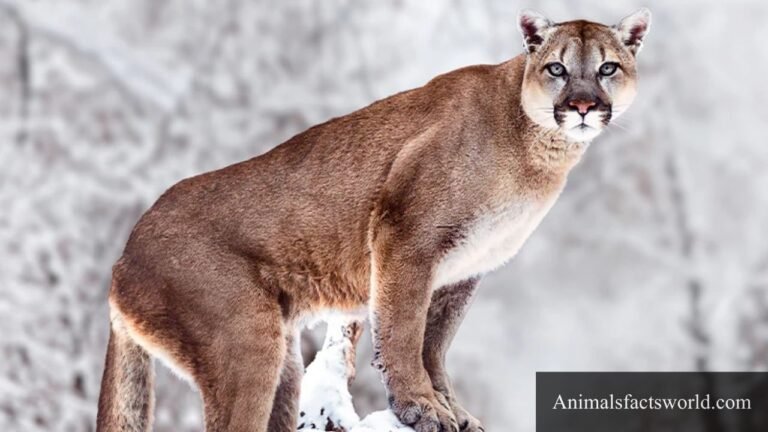
Mountain lions, also known as cougars or pumas, are stealthy predators that often inhabit areas close to human borders, making their encounters with domestic livestock, including chickens, increasingly common. These majestic cats are highly adaptable, using their keen eyesight and formidable agility to stalk prey with incredible precision. Their ability to blend into various landscapes — from dense forests to rugged mountains — means they can ambush their unsuspecting victims with minimal effort, capitalizing on moments when chickens are free-ranging.
Interestingly, mountain lions often prefer larger ungulates like deer; however, when those populations dwindle or when they find themselves in suburban environments, chickens present a tempting alternative. This opportunistic feeding behavior not only showcases the mountain lion’s versatility but also highlights the delicate balance of ecosystems where urban development encroaches on wildlife habitats. Farmers and chicken owners can guard against these agile hunters by implementing proper fencing and securing coops, yet the interplay between these big cats and livestock remains a compelling example of nature’s intricate dynamics, raising questions about coexistence in a rapidly changing world.
Badgers
Scientific Name: Meles meles
Class: Mammalia
Diet: Omnivore
Badgers are also one of the most surprisingly efficient predators of chickens. These nocturnal foragers possess powerful, sharp claws that allow them to dig and burrow, making them adept at accessing poultry coops and free-range setups alike. Although they primarily feast on earthworms, insects, and small mammals, the allure of a vulnerable chicken can prove too tempting, especially when food sources are scarce.
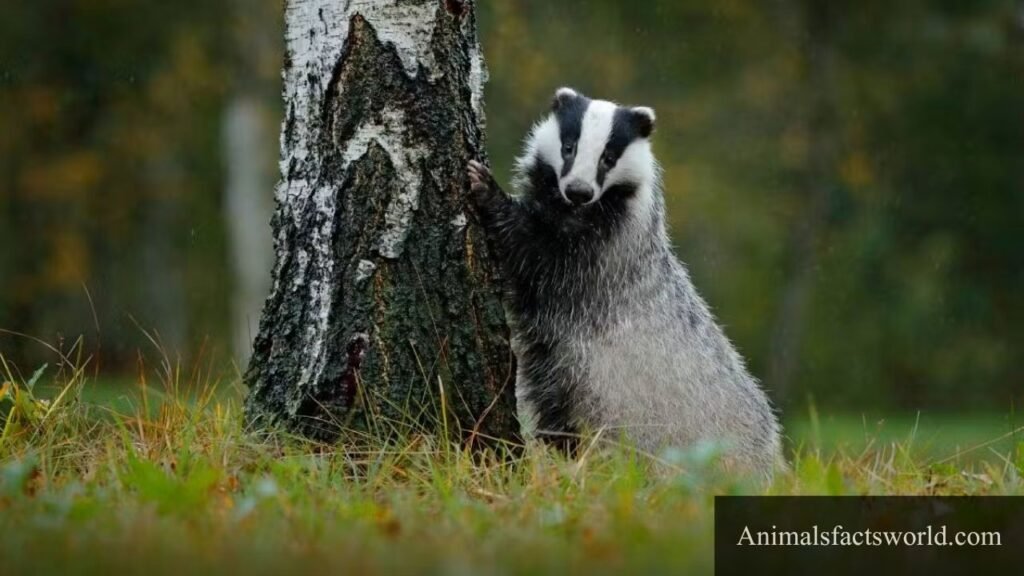
Badgers showcase remarkable intelligence in their hunting strategies. They often scout the area for weaknesses in fencing or coops, employing their keen sense of smell to detect where chickens roost. Once they locate a suitable target, their persistence and strength allow them to breach defenses that other predators might find daunting. Understanding this behavior can help chicken owners fortify their enclosures and safeguard their flocks, tapping into the rich tapestry of interactions between human agriculture and wildlife ecology.
Fishers
Scientific Name: Pekania pennanti
Class: Mammalia
Diet: Carnivore
Fishers are often underrated predators in the ecosystem, yet they are formidable hunters of chickens, especially in areas where poultry is free-ranging. These agile mammals, members of the weasel family, possess sharp claws and impressive climbing abilities, enabling them to navigate through dense forests and even scale trees with ease. This agility allows them to sneak up on unsuspecting birds, turning a seemingly secure coop or yard into a buffet for a hungry fisher.
Fishers can govern their hunting strategies based on the environment. In wooded areas, they may employ stealth tactics, using the element of surprise to capture an unsuspecting bird. In contrast, in more open spaces, they often rely on endurance and speed, giving them an upper hand in chasing down their prey. Fishers have a unique high-pitched call that can send flocks into a panic, creating chaos that makes it easier for them to strike. Understanding fishers’ role as both predator and scavenger illustrates the delicate balance of our ecosystems, reminding us of the interconnectedness of wildlife and the need for sustainable practices in poultry farming.
Possums
Scientific Name: Didelphis virginiana
Class: Mammalia
Diet: Omnivore
Possums can be surprising culprits in the world of chicken predation. These nocturnal marsupials, with their sharp teeth and nimble agility, aren’t just foraging for fruits and insects; they can also pose a threat to unprotected chicken coops. While they may primarily feast on carrion and small pests, their opportunistic nature means that if a chicken is vulnerable, a possum won’t hesitate to take advantage of the situation.
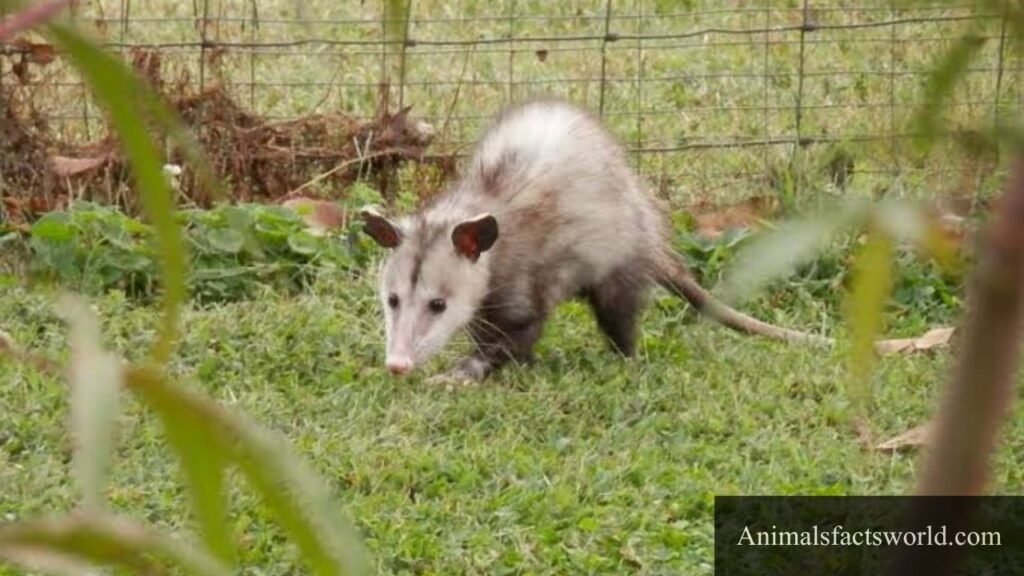
Interestingly, possums have a unique ecological role; they help control tick populations and can consume harmful insects that might plague a chicken coop. Their foraging habits inadvertently contribute to the health of the environment. However, chicken keepers need to remain vigilant, ensuring that coops are secure from these crafty intruders. By understanding the eating habits and natural behaviors of possums, farmers can implement better preventive measures, turning potential threats into teachable moments about coexistence with wildlife.
Readmore: Explore Top 13 Animals That Eat Deer.
Final Thoughts
The predators that target chickens are as diverse as they are intriguing. From cunning foxes to soaring hawks, these animals play a significant role in maintaining the ecological balance. Understanding the behaviors and habitats of animals that eat chickens can help chicken owners implement effective strategies to protect their flocks. By being proactive and informed about potential threats, we can ensure the safety and well-being of our chickens. So, whether you’re a backyard farmer or simply a chicken enthusiast, stay vigilant and take the necessary steps to safeguard these beloved birds.
FAQs
What animal eats the chickens?
Chickens can fall prey to a variety of animals. Common predators include foxes, raccoons, and coyotes. These animals are often opportunistic, taking advantage of unsecured coops or free-ranging chickens. Birds of prey, like hawks and owls, also pose a threat, especially to smaller chicks. Even domestic pets, such as dogs and cats, might chase or harm chickens if not properly supervised. Protecting chickens with secure enclosures and vigilant monitoring is key to keeping them safe.
What animals eat chickens at night?
At night, various predators may target chickens, including raccoons, foxes, and opossums. Raccoons are particularly notorious for their dexterous hands, which allow them to open chicken coops and reach in for a meal. Foxes also pose a significant threat, using their stealth to sneak into yards or barns after dark. Larger birds of prey, like owls, can hunt chickens, especially the younger or smaller ones. Coyotes might venture near rural areas looking for an easy meal, making it essential to secure any chicken coops and keep a close eye on your flock at night.